Khaberni - With the beginning of the holy month of Ramadan, medical queries arise regarding the ability of diabetics to fast safely.
In this context, Dr. Shaimaa Hakim, a specialist in therapeutic nutrition, clarified that the possibility of fasting completely depends on the type of diabetes and the overall health condition of the patient, emphasizing the necessity to differentiate between patient groups to ensure a risk-free fast.
Patient classifications and fasting opportunities
Dr. Shaimaa Hakim confirmed that type 2 diabetes patients, who only rely on pills for treatment, can fast, and fasting actually helps improve the body's sensitivity to insulin, reduces resistance, and helps control blood sugar levels.
She stressed the importance of coordinating medication doses with the treating physician based on the results of the glycated hemoglobin from the last three months before starting fasting.
As for type 1 diabetics who rely on insulin, the specialist completely prohibited children from fasting to avoid severe sugar drops or acidosis in the blood.
For adults of this type, she clarified that prohibition is mandatory if the glycated hemoglobin is above 9%, or in cases of repeated hypoglycemia episodes, or if the patient has had a previous ketoacidosis coma.
Conversely, fasting is permitted for those with a glycated hemoglobin below 7% with controlled levels and no liver or kidney issues, provided that there is careful monitoring to adjust insulin units.
Fasting protocol and ideal meals
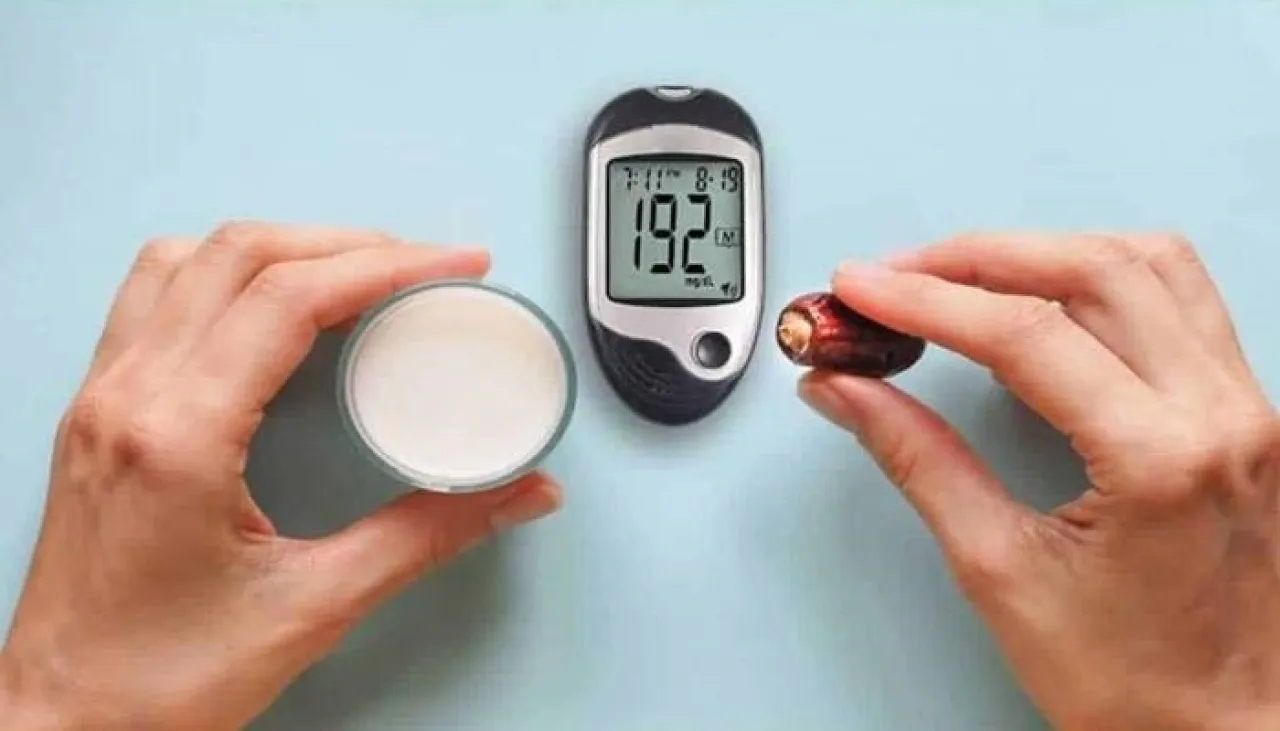
Dr. Shaimaa Hakim advised all patients on the necessity of measuring blood sugar four times a day; before and after Iftar, and before and after Suhoor, and emphasized the necessity to break the fast immediately if blood sugar drops below 70 or rises above 270.
Regarding meal intake, she suggested starting gently with water or light soup, then moving on to proteins such as chicken or fish, with small amounts of complex carbohydrates like brown rice or whole bread, and increasing the intake of vegetables and healthy fats such as olive oil.
The specialist warned against consuming juices, sweets, fried foods, or large amounts of carbohydrates at once, and stressed the importance of drinking adequate amounts of water between meals and strictly adhering to the prescribed medication schedules.