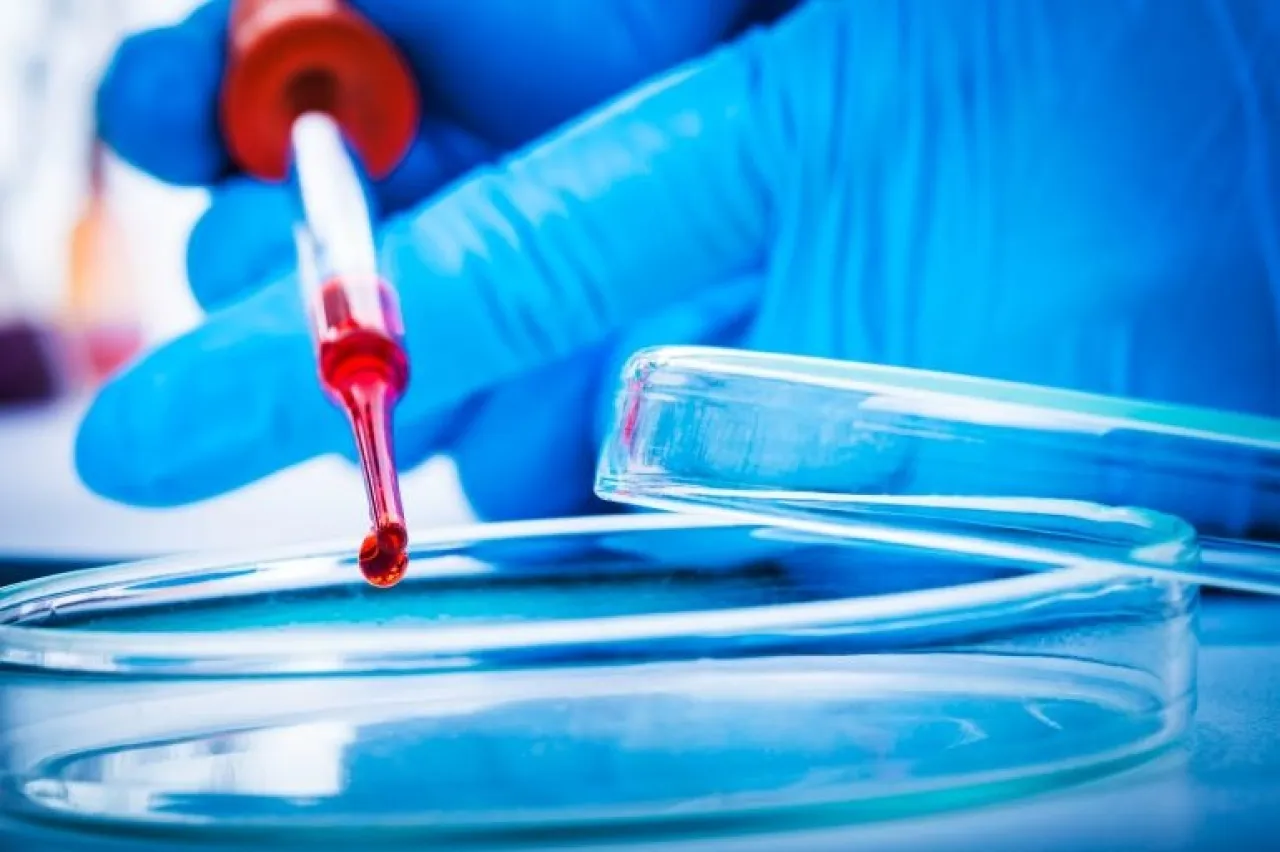
Khaberni - Early cancer detection technologies are undergoing a radical transformation with the emergence of multicancer blood tests (MCED), which rely on the analysis of free DNA in the blood and artificial intelligence to detect tumors before symptoms appear, a step that could change the future of public health globally.
Grail Bio announced new clinical results for the Galleri test in 2026, which showed the test's ability to detect more than 50 types of cancer through a liquid biopsy, with improved accuracy in determining the location of the tumor compared to previous versions.
The test relies on the analysis of DNA fragments released from cancer cells in the bloodstream, using advanced machine learning algorithms, which allows for the detection of cancer at its early stages, where chances of treatment and survival are much higher.
Diagnostic Revolution
In a scientific review published by The Lancet Oncology, researchers described early detection multicancer tests as a "potential breakthrough in public health," yet they still face challenges related to clinical accuracy, cost, and their impact on traditional screening programs.
The report noted that integrating these tests into national screening programs could help detect cancers that are not currently screened for routinely, such as pancreatic, ovarian, and liver cancers, but it requires extensive evaluations of cost and long-term outcomes.
Meanwhile, NHS England has announced updates on the implementation of the multicancer blood tests within a national trial targeting hundreds of thousands of participants.
Britain aims to assess these tests' ability to detect cancer early and reduce cancer-related deaths, with a study of their impact on healthcare systems and early treatment decisions.
Research published on ScienceDirect indicates that advancements in the analysis of free DNA (cfDNA) and artificial intelligence have revolutionized disease diagnosis, especially cancer, where algorithms can detect precise patterns that humans cannot, improving predictions of tumor locations and patient treatment responses.
Researchers believe that integrating artificial intelligence with molecular medicine will transform diagnosis from late discovery to early prevention, potentially reducing treatment costs and mortality rates significantly.
Opportunities and Challenges
Despite optimism, public health experts warn of challenges related to false positives, psychological distress in patients, and the costs of widespread screening, in addition to the need to develop clear protocols for handling uncertain results.
They also emphasize that these tests cannot currently replace traditional screenings like mammography or colonoscopy, but rather complement them in the near future.
Towards Proactive Medicine
Specialists believe that early detection multicancer tests represent a shift from "medicine that treats disease" to "medicine that predicts it before it appears," a transition that could change the face of healthcare systems over the next decade, especially with the reduction in the cost of genetic sequencing and the development of artificial intelligence.