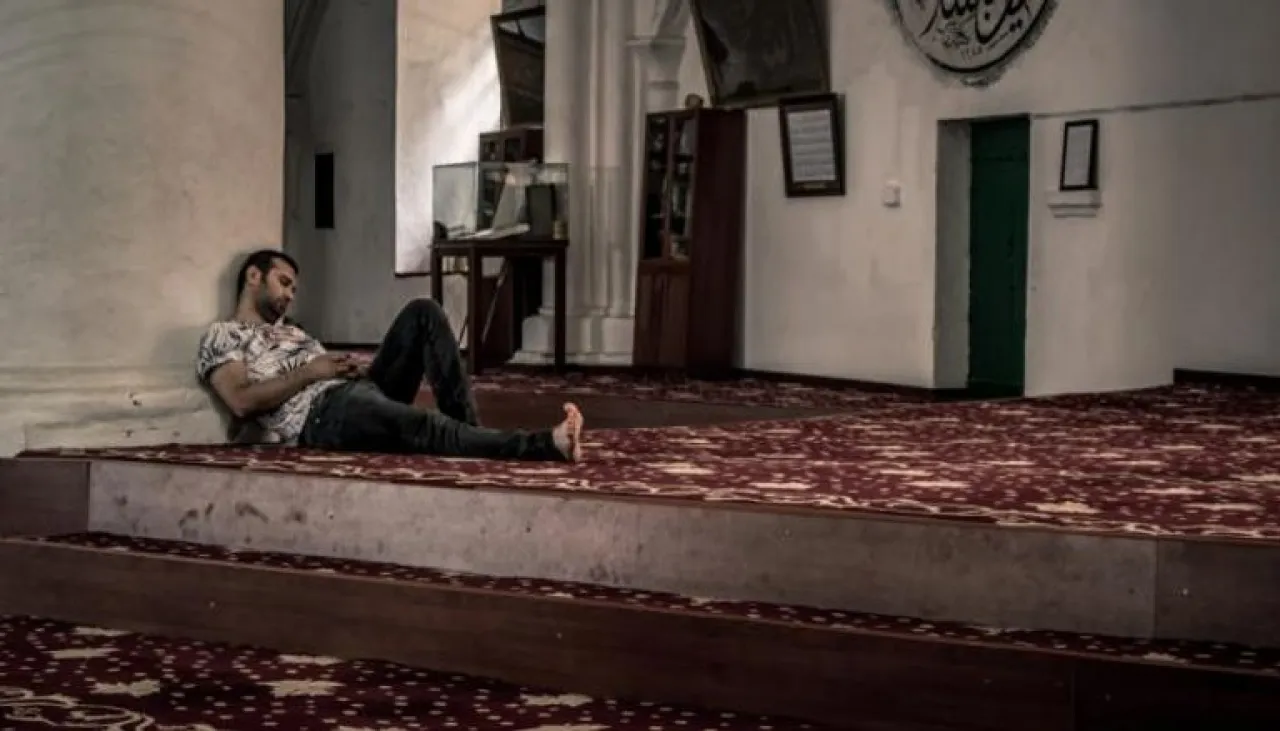
Khaberni - With the arrival of Ramadan, Tarawih prayer represents a special spiritual condition, but it is also an unusual physical activity for many of the fasters.
Dr. Amani Al Nimr, a nutrition consultant at the Egyptian Ministry of Health, says that many feel lethargic, sleepy, have poor concentration, and even dizziness after performing it, which has a scientific explanation.
Four scientific reasons explain the laziness and lethargy after Tarawih prayer
She explains that there are four reasons for this feeling, which are:
The first reason: Glycogen depletion
During fasting, the body relies on glycogen stores in the liver and muscles as an energy source, and after long hours of fasting, glucose levels are low.
Performing Tarawih prayer, especially if it is lengthy, quickly consumes this remaining energy, resulting in sudden feelings of weakness and lethargy after the prayer.
The second reason: The iftar meal and the way of eating
The traditional iftar often contains quick sugars (sweets, juices), high fats (fried foods, rich foods), and these choices provide a short energy boost, but are followed by a rapid drop in blood sugar levels. If you perform Tarawih right after iftar, the body suffers from sugar fluctuations, exacerbating lethargy and exhaustion.
The third reason: Hidden dehydration
Even after iftar, the body is often in a state of mild fluid deficiency, as fasting causes loss of water and salts, and movement during Tarawih increases the need for fluids. As a result, fatigue and dizziness occur after the prayer, even if you drank a little water before starting.
The fourth reason: Sleep effect and daily energy level
As bedtime approaches, the body enters a natural rhythm of sleepiness, and Tarawih prayer late at night coincides with a natural decrease in physical energy, meaning that exhaustion after Tarawih is not just due to movement, but is part of the body's natural sleep cycle.
To maintain this activity after Tarawih, Dr. Al Nimr advises the following:
First: Divide iftar (water and dates and soup initially, then the main meal after 20 or 30 minutes)
Second: Choose smart foods (protein and fiber and complex carbohydrates)
Third: Reduce sugars and fried fats before prayer
Fourth: Drink water wisely (consume fluids gradually between iftar and Tarawih)
Fifth: Light walking to facilitate digestion and distribute energy
Sixth: Regulate sleep time (try to get some rest after the prayer if possible)