Khaberni - Researchers at the University of California, Riverside have created an oxygen-enriched gel for the treatment of chronic wounds and to minimize the risk of amputation.
With the increasing numbers of elderly and rising rates of diabetes, millions around the world face the danger of non-healing wounds, which can sometimes lead to limb amputation. It is estimated that about 12 million people globally suffer from chronic wounds annually, approximately 4.5 million of them in the United States alone, with one out of about every five needing amputation that alters the course of their life.
Addressing the Root Cause of Chronic Wounds
Chronic wounds occur when the injured tissue does not receive enough oxygen, keeping the wound in a prolonged state of inflammation and allowing bacteria to proliferate and tissue to degenerate instead of regenerating. The research team has developed a gel capable of directly delivering oxygen deep into the damaged tissue, helping to restore the natural healing process.
Iman Noushadi, Associate Professor of Biomedical Engineering at the University of California in Riverside, says: "Chronic wounds do not heal by themselves. The healing process goes through four stages: inflammation, blood vessel formation, reconstruction, and regeneration, and at any stage, continual oxygen deficiency is a significant problem."
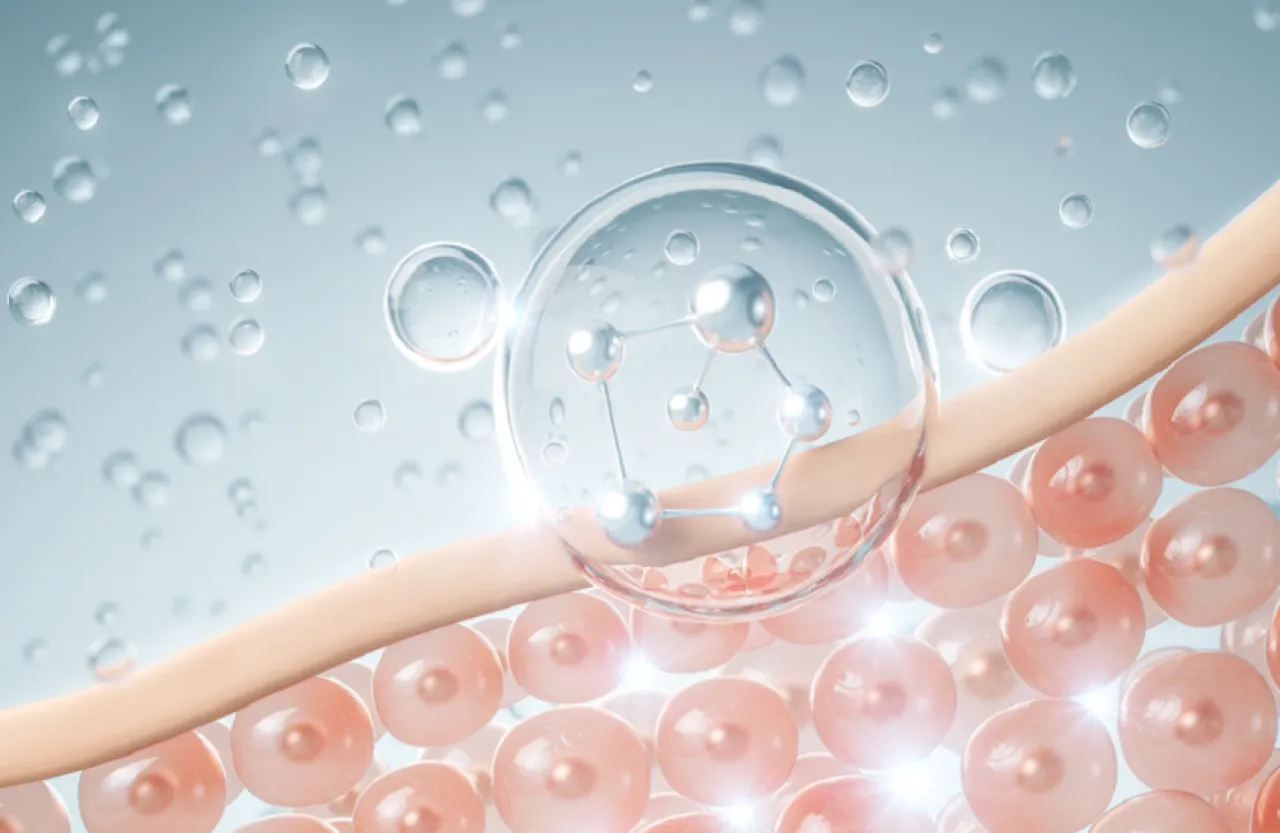
The gel contains water and a choline-based fluid, which is antibacterial, non-toxic, and biocompatible. When used with a small battery, the gel becomes a precise electrochemical machine that breaks down water molecules to produce a constant stream of oxygen.
The gel also excels in adapting to the shape of the wound and filling deep cracks where oxygen deficiency is greater and the risk of infection is higher. It also provides continuous oxygen delivery for up to a month, allowing the chronic wound to behave like a normal wound and complete the necessary blood vessel formation process for healing.
Promising Results in Animal Models
The gel patch was tested on diabetic and elderly mice, where the untreated animals’ wounds did not heal and were life-threatening. After applying the patch and replacing it weekly, the wounds were noted to heal within about 23 days, and the animals survived.
The choline component helps soothe excessive inflammation and regulate the immune response, crucially important as chronic wounds often suffer from an excess of harmful reactive oxygen species, prolonging inflammation and impeding healing.
Future Prospects for Tissue and Organ Treatment
Noushadi explains that this innovation is not limited to treating wounds but can also help in building substitute tissues and organs, where oxygen and nutrient deficiency pose significant challenges in cultivating larger tissue sizes.
He stated: "As tissue thickness increases, it becomes harder to deliver what it needs to it, leading to cell death. This project can be considered a bridge towards creating larger organs and sustaining them for people in need."