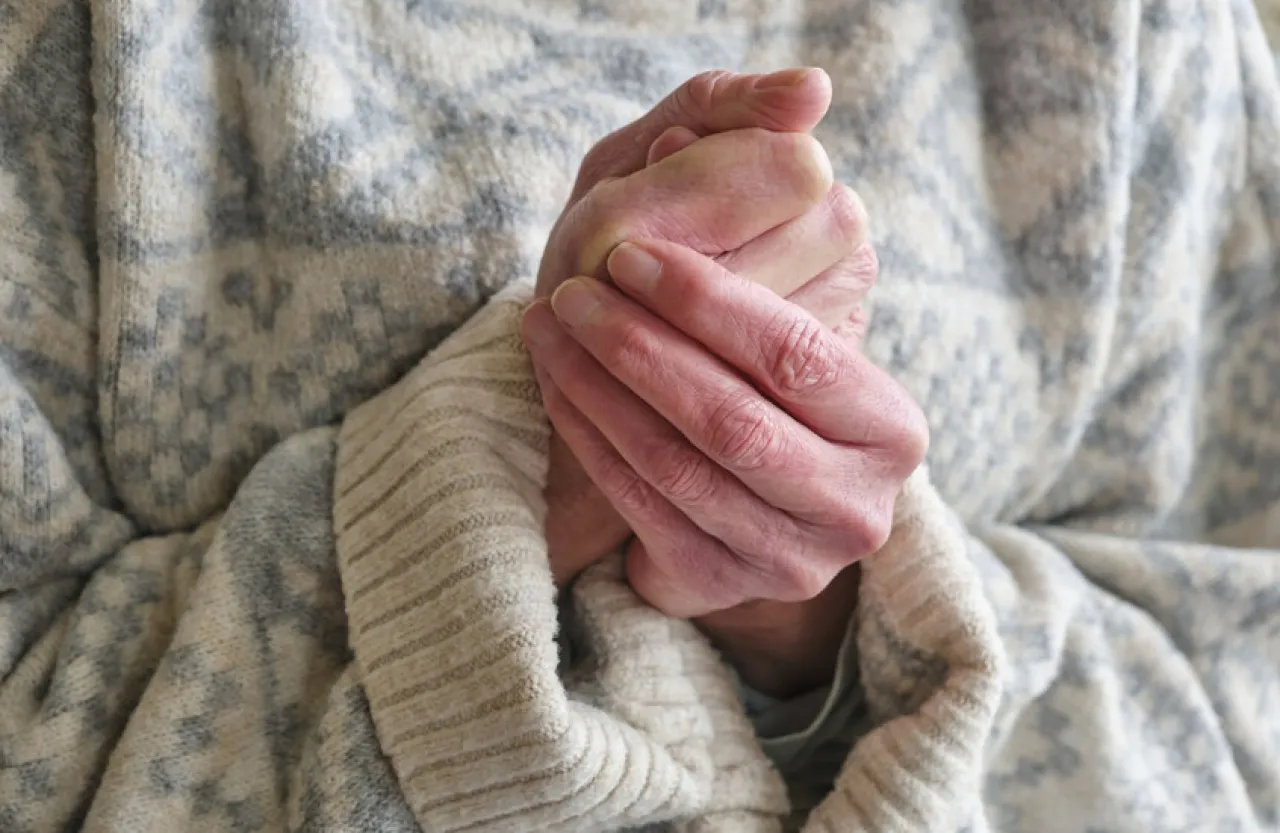
Khaberni - With every cold wave, millions repeat the phrase "I feel cold in my bones" as if it were an accepted fact. However, science says something different and confirms that bones are affected by the cold in ways we cannot imagine.
It is known that the human body is designed to work efficiently at about 37 degrees Celsius.
However, our extremities like the hands and feet can be up to 6 degrees cooler. There are multiple factors that affect our feeling of cold, including age, gender, and health condition.
Older adults feel colder than younger people, and women are more sensitive to cold than men.
Interestingly, the bones themselves do not feel cold in the way we feel it, as they lack the temperature-sensitive receptors found in the skin. This makes sense because the bones are buried under layers of muscles and tissues and skin.
So, where does this deep sense of cold come from?
A study in anatomy reveals that bones are not completely isolated from the effects of the cold, as they are affected indirectly through the surrounding tissues, changes in blood circulation, and even a lack of vitamin D in the winter.
The outer layer of the bone, known as "periosteum," contains a network of nerves that sense changes in temperature, especially cold. These nerves can send signals similar to pain signals, which we might interpret as feeling cold in the bones.
Importantly, prolonged exposure to cold for weeks can actually affect bone health, reducing their length, thickness, and mineral density.
Other tissues are more affected
The tissues surrounding the bones are the most affected by weather changes. The synovial fluid, which lubricates the joints, becomes denser in cold weather, making movement more difficult and uncomfortable, especially for those suffering from arthritis. Also, tendons and ligaments become stiffer, making muscles exert more effort to move the bones and reducing the range of motion.
At the same time, blood flow to the extremities decreases, a protective mechanism to maintain the heat of vital organs in the body. This decrease in blood flow increases the contraction of tissues and enhances the feeling of stiffness.
The role of sunlight and vitamin D
Another important factor is sunlight. In the winter, especially in the northern hemisphere, the days become shorter and the skies gray. For instance, in London, the average sunlight in December does not exceed 3.4 hours.
Lack of sunlight exposure means a deficiency in vitamin D, which is essential for bone health. Research indicates that a lack of this vitamin increases pain sensitivity, especially muscle and bone pain, and is associated with an increase in anxiety and depression, which in turn alter the body's tolerance to temperature.
In conclusion, the saying "I feel cold in my bones" is not just a metaphorical expression but is an accurate description of complex interactions occurring in our bodies as temperatures drop.
The good news is that there are simple ways to deal with the cold wave, including consuming extra calories, which gives the body fuel for warming up, wearing multiple layers of clothing that trap warm air near the body, and continuous movement generates additional heat.