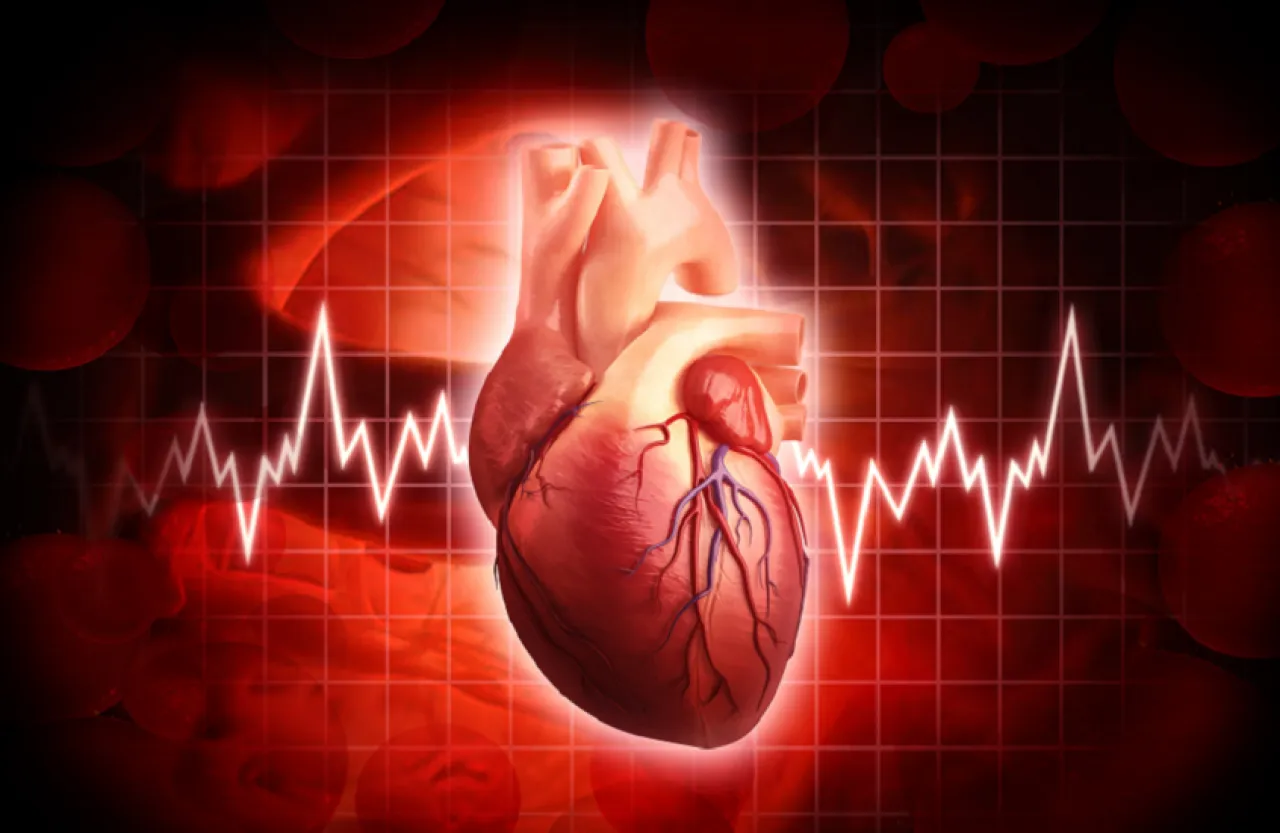
Khaberni - A recent study has revealed that adopting two simple pre-sleep habits can improve heart health and balance blood sugar levels in adults at risk of heart disease.
In the study, researchers from Northwestern University Feinberg School of Medicine in the United States sought to determine whether aligning nightly fasting with the natural sleep-wake cycle enhances overall cardiac and metabolic health. Previous studies have shown that the body's biological clock, or circadian rhythm, plays a key role in regulating life processes, and that metabolic impairment increases the risk of chronic diseases such as type 2 diabetes, non-alcoholic fatty liver disease, and heart disease.
The study involved 39 overweight individuals who were randomly assigned to two groups: a group that consumed their last meal at least three hours before bedtime and fasted for between 13 and 16 hours, and a control group that maintained their usual dietary habits and fasted for between 11 and 13 hours. Both groups also reduced the lighting in their rooms three hours before bedtime to align with the natural light-dark cycle.
The study focused on adjusting meal times without reducing calorie intake.
The results showed that participants who adjusted the timing of their last meal experienced a significant decrease in blood pressure and heart rate at night, as well as improved pancreatic performance in secreting insulin, which helped stabilize blood sugar levels.
Daniela Grimaldi, the lead author of the study published in the journal "Arteriosclerosis, Thrombosis, and Vascular Biology," said: "Aligning the fasting period with the body's natural sleep and wake rhythms improves the coordination between the heart, metabolism, and sleep, all of which work together to protect cardiovascular health."
The researchers noted that eating early and tying the fasting period to predominant sleep times are practical changes that can be implemented by individuals at risk, offering a different method of intervention compared to usual dietary adjustments.
Grimaldi added, "It's not only about the amount and quality of food, but also the timing of eating relative to sleep is important for achieving physiological benefits."
The researchers hope to test the benefits of similar fasting methods in broader clinical trials to enhance heart health and metabolism.