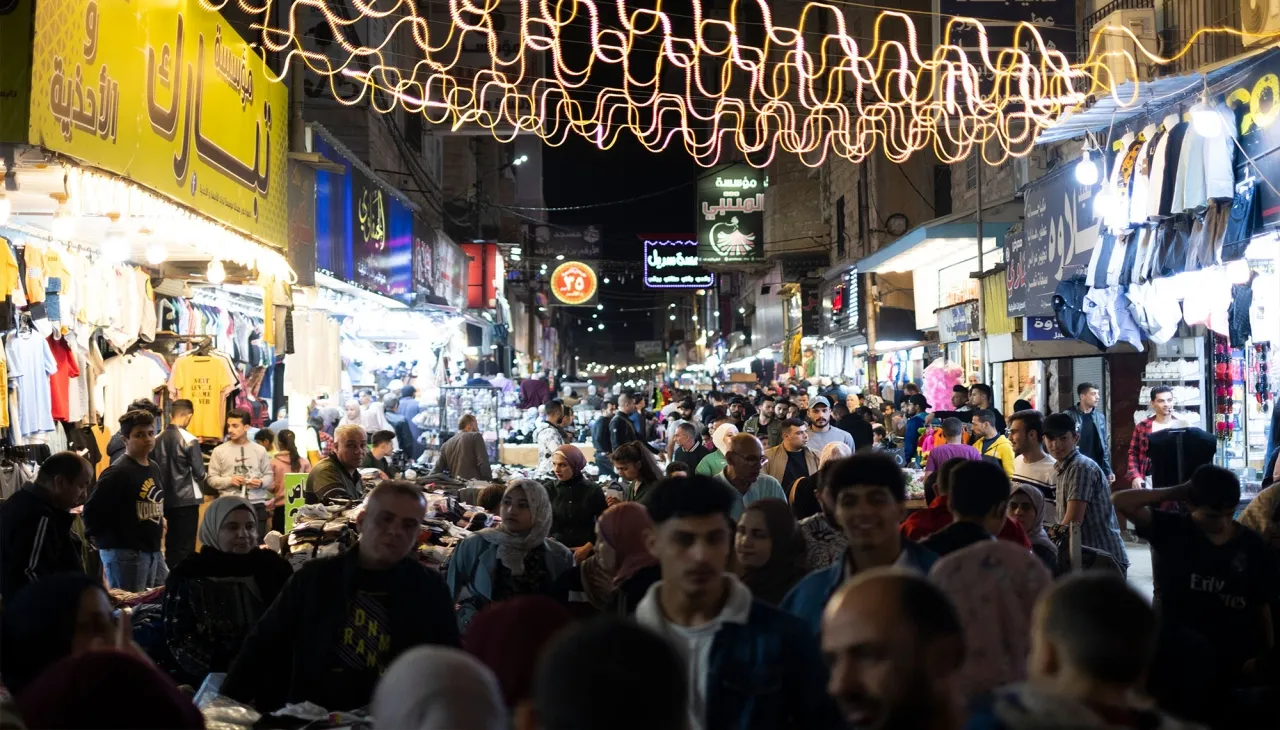
Khaberni - The markets in Irbid Governorate witness an active commercial movement with the impending arrival of the blessed month of Ramadan, where the pace of citizens shopping for various Ramadan and provisioning necessities has increased.
The shopping movement in the main markets in the city center is noticeable, represented by increased demand for rice, sugar, vegetable oils, and flour, in addition to meats, poultry, dates, dairy, and cheeses, as well as juices, Ramadan beverages, and confectionery essentials.
Citizens confirmed their cautiousness in buying their basic needs sequentially according to the available offers and purchasing power, and avoiding the long-term storage of provisioning goods, pointing out that prices are stable due to competition among commercial stores and promotional offers launched by malls and major markets.
The acting Governor of Irbid, Raed Al-Jaafreh, told the Jordanian news agency (Petra) that a comprehensive plan has been put in place by all relevant authorities in the governorate to regulate the markets and maintain an adequate stock of all types of goods, and to strengthen health monitoring through regulatory tours to ensure the safety, quality, and fair pricing of materials.
He indicated that additional numbers of traffic wardens have been deployed to regulate traffic movement, especially in the commercial center and the city plaza that sees significant traffic congestion due to the citizens' turnout to buy their needs in preparation for the holy month.
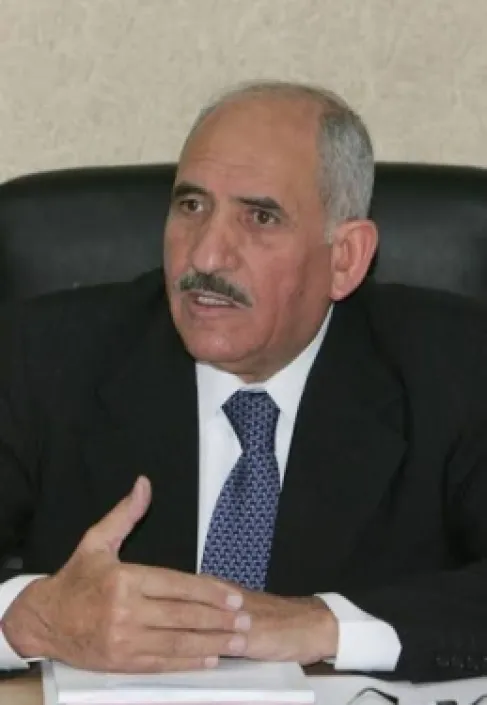
The head of the Irbid Chamber of Commerce, Mohammad Shuha, said that commercial activity in the governorate has started to improve during the last week before the advent of the blessed month of Ramadan, noting that this season represents an important opportunity for commercial sectors, especially for the food, confectionery, and restaurant industries.
He added that the markets witness an abundance in various Ramadan goods, confirming that supply chains are stable and there are no indications of a shortage in any of the essential materials, pointing out that the chamber is in continuous contact with concerned authorities to monitor market conditions and ensure the smooth supply of various goods.
Shuha emphasized the importance of commercial activity during this period to stimulate the economic cycle, which supports a wide range of traders and owners of small and medium-sized enterprises, urging citizens to purchase according to actual needs and avoid excessive storage.