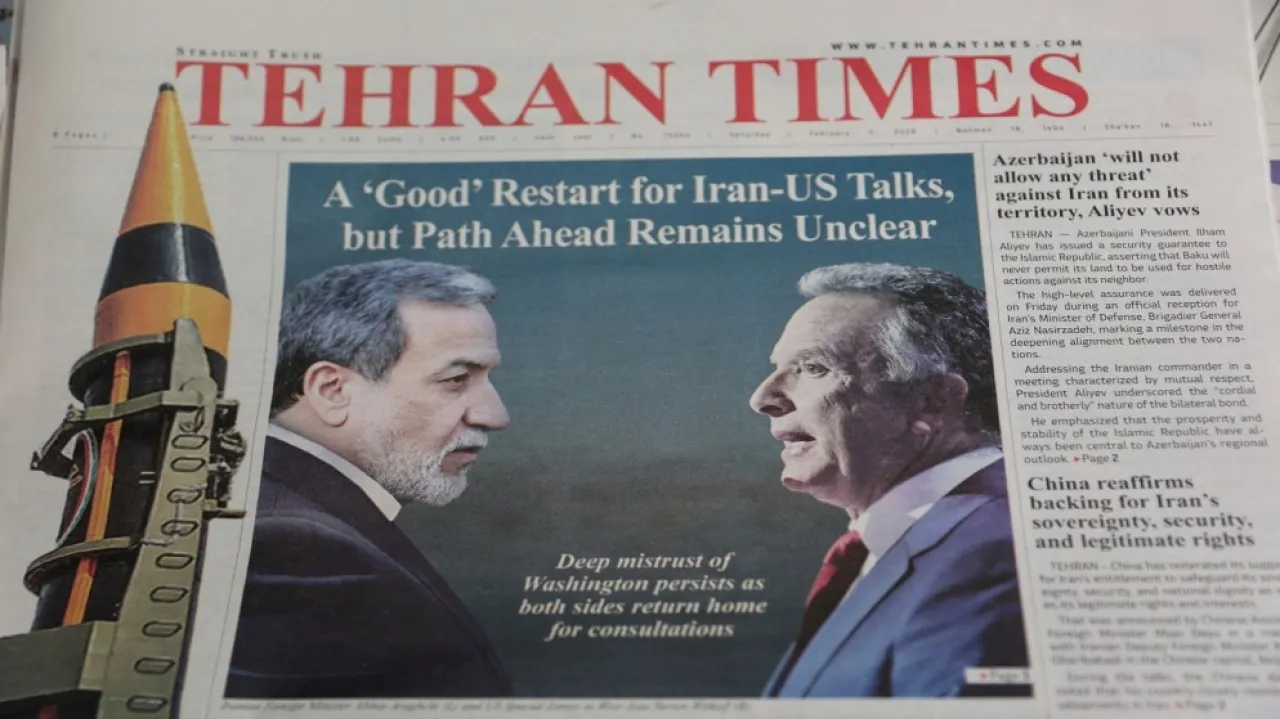
Khaberni - A senior Iranian official said on Tuesday that the seriousness of the United States regarding lifting sanctions on Iran and abandoning unrealistic demands are essential to ensuring the success of nuclear negotiations in Geneva.
The official, who declined to be named, added that Tehran is approaching the negotiation table with "serious and constructive proposals".
The United States and Iran are holding a second round of discussions in Geneva on Tuesday, which began in February amid threats of a U.S. military action against Iran, while Tehran spoke of a more "realistic" stance from Washington regarding its nuclear program.
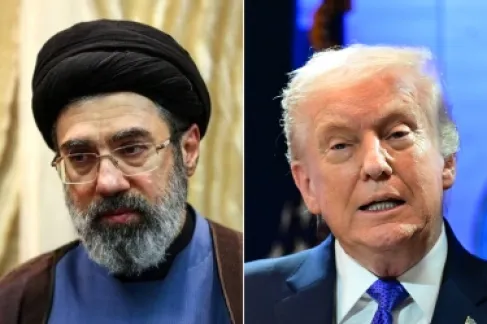
U.S. President Donald Trump began threatening Tehran with a military strike weeks ago due to a suppression campaign against protests that erupted in late December, resulting in the deaths of thousands of people.
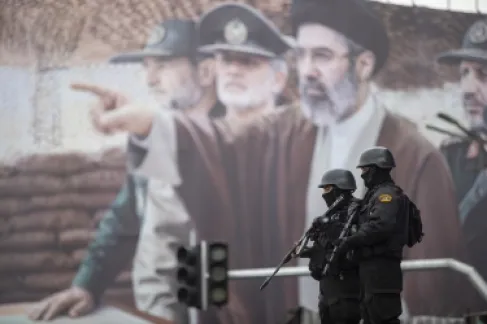
In parallel with enhancing its military presence in the Middle East, Tehran threatened an immediate response to any aggression. The Revolutionary Guards started maneuvers in the Strait of Hormuz on Monday.
After intensive regional diplomatic efforts, Tehran and Washington resumed their negotiations in Muscat on February 6. Tuesday's round in Geneva will be hosted by Omani diplomacy.
Trump continued to exert pressure on Tehran on Monday evening, stating that he would participate "indirectly" in the negotiations, adding, "I don’t think they want to face the consequences of not reaching a deal."
The Iranian Foreign Minister Abbas Araghchi, who leads his country's delegation, met his Omani counterpart Badr bin Hamad Al Busaidi on Monday.
The Iranian Foreign Ministry confirmed that Araghchi presented "Iran's views and considerations regarding the nuclear file and lifting of American and international sanctions."
The statement emphasized Tehran's "determination" to adopt a "results-based diplomacy" to ensure the interests and rights of the Iranian people, and peace and stability in the region.
The U.S. delegation is expected to be led by Trump’s envoy to the Middle East, Steve Whitcov, and his son-in-law Jared Kushner, according to the White House.
U.S. Foreign Minister Marko Rubio said on Monday, "We hope to reach an agreement."
The current talks, conducted indirectly with Omani mediation between the Iranian and American delegations, are the first between the two sides since last year's negotiations collapsed when Israel waged war on Iran in June.
The United States intervened in that war by bombing Iranian nuclear facilities.
Iran insists that the talks should focus solely on the nuclear issue, which Western countries suspect is aimed at developing a nuclear weapon, a claim Tehran consistently denies. In contrast, U.S. and Western officials spoke about the necessity of any agreement with Iran including discussions on its ballistic program and its support for armed groups in the region.
The spokesperson for the Iranian Foreign Ministry, Ismail Baghaei, said on Monday, "Looking at the talks (in Muscat), we can cautiously conclude that the U.S. stance on the Iranian nuclear issue has become more realistic."
He emphasized that "Iran’s inalienable rights under the Treaty on the Non-Proliferation of Nuclear Weapons" had been recognized, including "peaceful uses of nuclear energy, including enrichment".