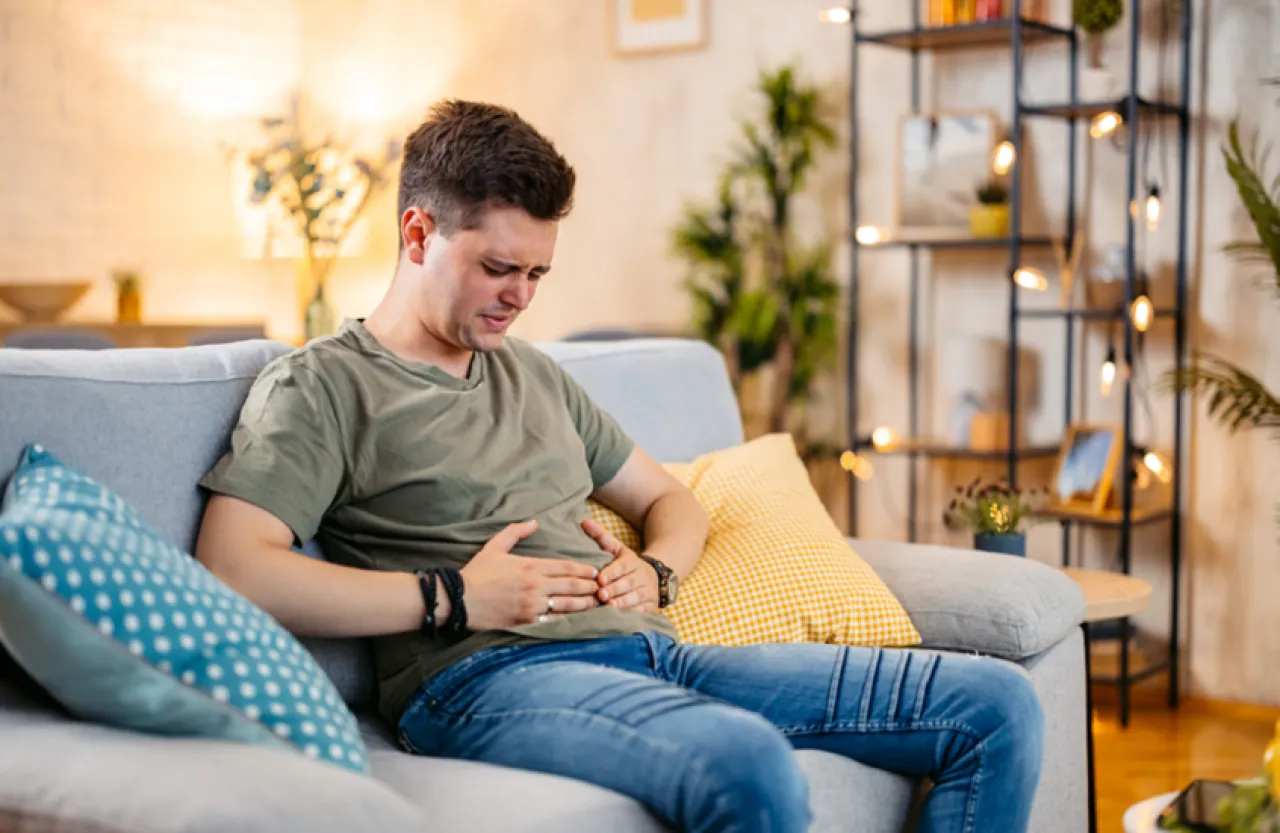
Khaberni - Health experts have shed light on a simple solution that can be adopted after eating to improve digestion and reduce painful bloating.
A recent study indicates that light walking immediately after eating, or shortly thereafter, can support digestion and help regulate blood sugar levels.
This habit is known on social media as "gas release walking," and it involves walking for five to 20 minutes after eating to stimulate the digestive system, reduce bloating, and help expel gas.
Fitness coach and nutrition specialist, Deborah Luciano, explains that digestion is an integrated process that involves the whole body, not just the stomach. After eating, the body needs to coordinate the secretion of stomach acid and enzymes, regulate bowel movement, blood flow, and hormonal responses, all of which are directly affected by movement.
Light walking acts as a natural stimulator for bowel movement, which are wave-like muscle contractions that push food through the digestive system. This helps reduce the feeling of pressure and bloating, and enhances the stability of the metabolic response after meals.
On the other hand, some common habits after eating may have counterproductive results. Lying down or sitting in a slouched position compresses the internal organs and inhibits bowel movement, especially when the stomach is full. Smoking also harms the stomach lining, making it more susceptible to acid effects, and increases the risk of gastritis and ulcers, as well as reducing the absorption of certain nutrients such as calcium.
Although peppermint tea may help soothe the digestive system, drinking green or black tea immediately after meals is not an ideal choice, as the tannins may hinder iron absorption, while caffeine may increase heartburn and anxiety in some people.
Normally, the stomach expands after eating to stimulate what is known as the gastrocolic reflex, a reaction that increases colon movement and may explain why some people feel the need to defecate immediately after eating. Blood flow also shifts towards the digestive system and the intestines begin regular contractions to move the food.
Studies indicate that walking after eating can reduce the usual rise in glucose levels that occurs within 30 to 60 minutes after a meal, making this habit particularly beneficial for diabetes patients or those with insulin resistance.
Luciano confirms that walking after meals can also help people suffering from gastroesophageal reflux, functional bloating, slow digestion, constipation, and those who feel sleepy and lethargic after eating.
She advises waiting 10 to 15 minutes before walking if feeling very full or experiencing reflux symptoms, until the food settles and comfort increases. She notes that the benefit does not require a great effort, as walking for just two to five minutes after a meal can yield significant results.
She emphasizes that regularity is more important than intensity, as short regular walks after meals are more beneficial than long sporadic activities. Even with limited time or space, benefits can be achieved through light stretching exercises, slow stair climbing, or doing some light household chores.