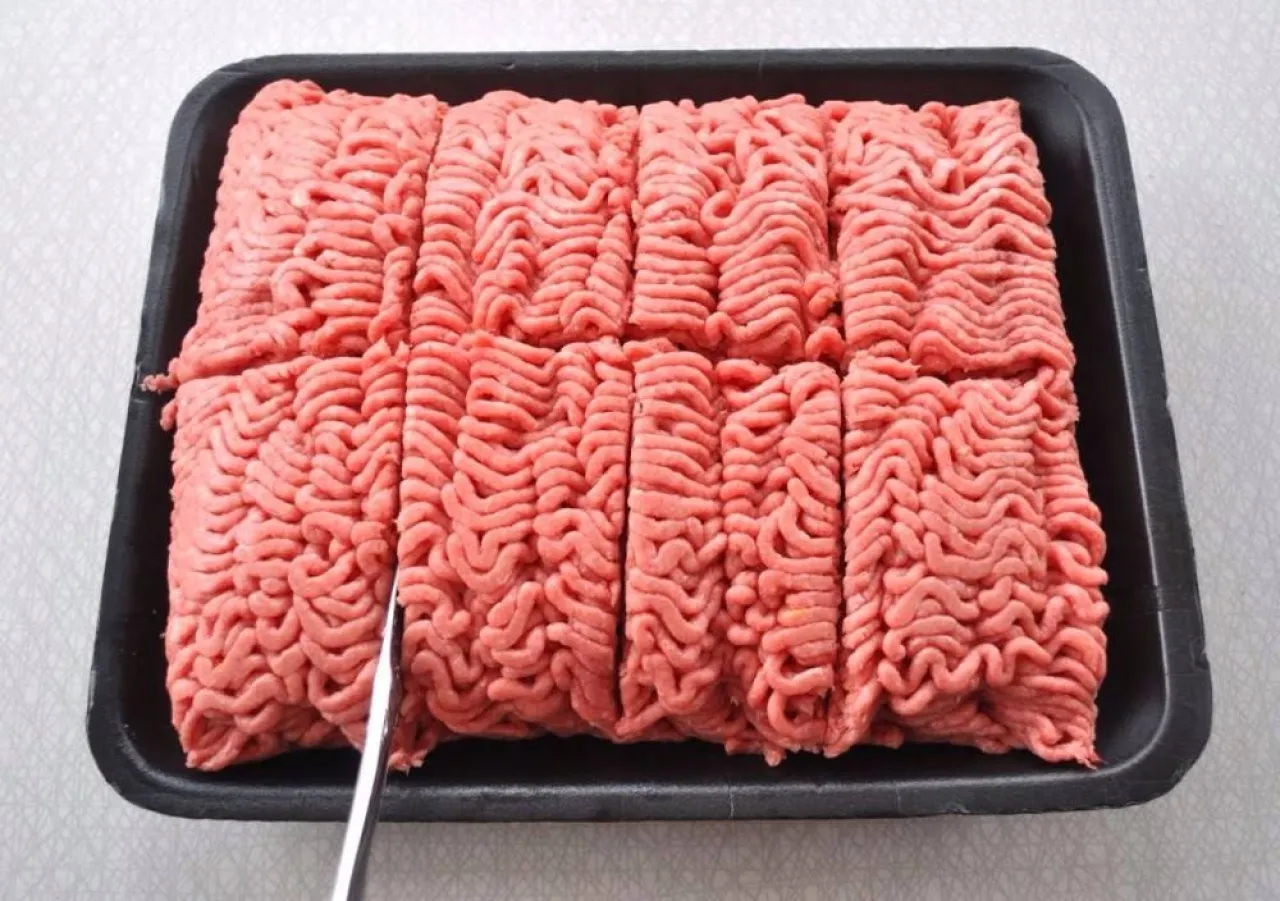
Khaberni - As the holy month of Ramadan approaches, the prices of poultry and red meat in the local market have recently increased by up to 33% compared to previous weeks, according to what was published by Al-Ghad daily.
This comes at a time when local markets are experiencing fluctuations in the prices of food commodities and stability in some other basic commodity prices.
Fresh chicken meat prices have risen by 0.40 Jordanian dinars per kilogram, reaching an increase of 33%, while the prices of broiler chickens have increased by the same percentage of 33%.
As for red meat prices, the prices for Romanian beef have increased by nearly 15%, while local meats remain high.
In turn, Abdul Shakoor Jamjoom, the head of the Poultry and Feed Investors Association, expects that poultry prices will stabilize during the current month of Ramadan, and that there will be no significant increases as was the case last season.
Jamjoom indicated that the current stock of chicken in farms is sufficient to supply the markets throughout the holy month.
Jamjoom confirmed that poultry prices for the current Ramadan season are lower than before by 20%.
The head of the Livestock Breeders Association, Zaal Al-Koalit, confirmed the availability of sufficient quantities of meat in the local market to meet the consumer needs during the holy month of Ramadan.
Al-Koalit explained that the levels of fresh meat prices in the markets are stable at last season's levels, except for Romanian sheep prices, which have risen by about one dinar per kilogram, now ranging between 8.5 to 9 dinars currently compared to 7.5 dinars previously.
Al-Koalit expects that the first week of Ramadan will see a high demand for meats, before it subsequently declines to normal daily levels.
Regarding the prices of fresh meats in the Jordanian market, Al-Koalit clarified that the fresh kilogram price of local goat meat ranges from 8.5-9, while for local sheep it ranges from 10-12, and the Romanian sheep ranges from 8-9 dinars, whereas the price of local veal ranges between 7-9 dinars.
A comprehensive governmental supervisory plan
The Ministry of Industry, Trade, and Supply previously stated to "Al-Ghad" that the ministry has started implementing a comprehensive supervisory plan coinciding with the advent of the holy month of Ramadan, aiming to ensure price stability and sufficient availability of basic commodities in various markets, protecting consumer rights and enhancing market balance throughout the holy month.
It explained that the ministry continues to monitor and coordinate with various relevant authorities to address any difficulties that may face the productive and imported sectors within a joint supervisory plan to control the market and price levels, ensuring smooth supply and availability of goods without disruption. The ministry noted that the strategic food stock is secure, confirming that it monitors and tracks prices for about 90 essential items daily, where 10 items showed a price decrease of about 11%, against minor increases on some commodities like sunflower oil by 3% due to global price increases, while the prices of more than 60 items remained stable.
Civil consumption: Providing all Ramadan commodities in the markets
The spokesperson for the Civil Consumption Corporation, Mohammad Al-Qaisi, said, "The corporation has provided all Ramadan items of high quality and competitive prices in its markets".
Al-Qaisi mentioned that the corporation's markets are witnessing noticeable attendance by citizens as Ramadan approaches, with purchases focusing generally on basic goods like rice, vegetable oils, sugar, and chicken, and specifically on Ramadan items.
Al-Qaisi explained that the corporation, in its preparations for the holy month, is currently running the longest period of promotions and discounts, launching an offer package on all consumer goods starting from January 22 and continuing until March 5, covering about 300 food and non-food items, with discount rates reaching up to about 41% for some of these items.
Al-Qaisi told "Al-Ghad" that the corporation's Ramadan preparedness plan began several months ago by studying the items in high demand during the holy month and determining the appropriate quantities and prices such as (dates, apricot paste, juices, soups, legumes, cream, walnuts, almonds, meats, and frozen chicken, fish), and carefully selecting and purchasing Ramadan items for this year, as contracts were made with multiple suppliers for the same item to provide consumers with different options in terms of type, commercial name, and price.
Al-Qaisi added, "The corporation sent samples of the Ramadan items before offering them in its markets to inspection agencies like the Food and Drug Administration and the Standards and Metrology Institute to ensure compliance with standards and public health, confirming that the sent samples were compliant and of high quality"; based on this, all Ramadan items were displayed across its 69 markets starting the middle of last month, facilitating the purchase of Ramadan items for consumers with ease.
Al-Qaisi emphasized that the corporation's mission is to protect citizens from price increases and maintain price and quantity balance in the local market, noting that it has a safe strategic stock of all goods, especially essential food items.
Revival of commercial activity in markets
Meanwhile, Khaldoon Al-Aqqad, deputy head of the Food Traders Syndicate, affirmed the revival of commercial activity in local markets in preparation for Ramadan, with expectations of an increase in the coming days.
Al-Aqqad explained that essential Ramadan goods are available and in sufficient quantities to cover the entire local market needs for the holy month. He noted that the food item prices for the current Ramadan season appear stable at their usual levels in recent months, with no significant price raises.
Al-Aqqad noted that most consumer goods have several alternatives available at prices suitable for all income levels, enhancing the preservation of price stability and curbing any price increases.
Al-Aqqad pointed out that the markets are witnessing significant competition among traders, and a wide organization of offers and discounts, noting that these reductions are subject to instructions from the Ministry of Industry, Trade, and Supply, and are licensed as required.