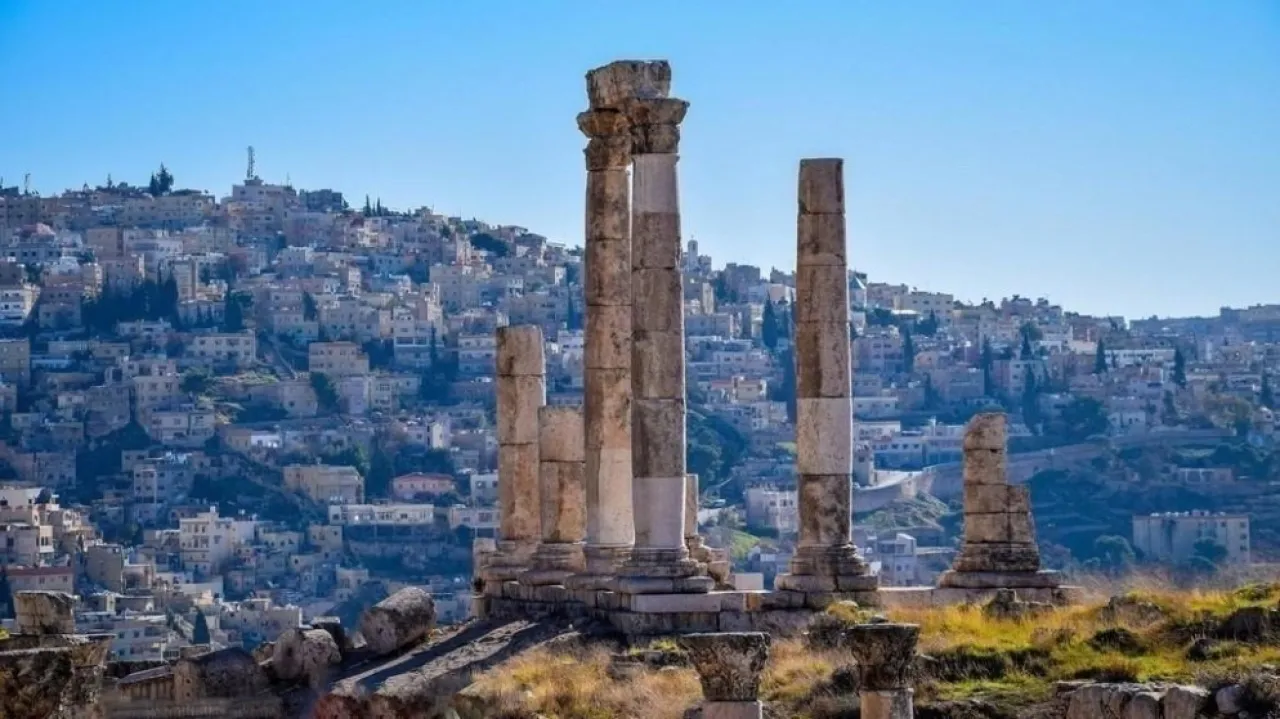
Khaberni - The Department of Antiquities, in coordination with the Economic Reform Implementation Support Unit at the Ministry of Planning and International Cooperation, launched last Thursday, the management plan for Al-Qal'a Mountain site, the first within a national project that includes preparing six plans for managing a number of the most prominent archaeological sites in the kingdom, a strategic step aimed at enhancing sustainable management and preserving one of the most important heritage sites in Jordan, in alignment with the goals of the economic modernization vision in developing the cultural tourism sector and enhancing its economic growth contribution.
According to a press release issued on Saturday, the plan was funded through the multi-donor trust fund for Jordan's growth, managed jointly by the World Bank and the Ministry of Planning and International Cooperation, with support from the governments of the Netherlands, Canada, Norway, Germany, and recently Switzerland joined.
The plan aims to transform Al-Qal'a Mountain into a national model for sustainable cultural tourism, contributing to economic growth, job creation, and community development, while ensuring the preservation of the site for future generations, thereby enhancing Jordan's position as a leading cultural and tourist destination in the region.
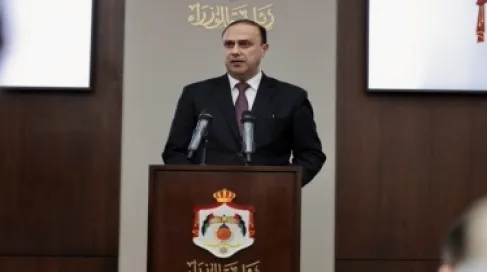
Basem Al-Muhammids, the Assistant Director General for Technical Affairs at the Department of Antiquities, said: "The management plan for Al-Qal'a Mountain site represents a qualitative step towards establishing a national model for sustainable cultural heritage management, balancing the preservation of historical values with enhancing its role in supporting tourism and economic development, thus ensuring its sustainability for future generations."
In his speech, the director of the Economic Reform Implementation Support Unit, Ammar Al-Fanek, mentioned: "This initiative falls within the framework of a larger support program provided to the Ministry of Tourism and Antiquities and related entities. Our efforts focused on enhancing sectoral governance and developing legislative and regulatory frameworks for the tourism sector, thereby solidifying its competitiveness and enhancing its contribution to economic growth and job creation. This project embodies the integration of institutional reform with investment in cultural assets as a lever for sustainable development."
Work is currently underway on preparing an integrated framework for the environmental and social impacts of managing archaeological sites, ensuring alignment of management and preservation operations with the best environmental and social standards, and enhancing the long-term sustainability of these nationally and globally valuable sites.