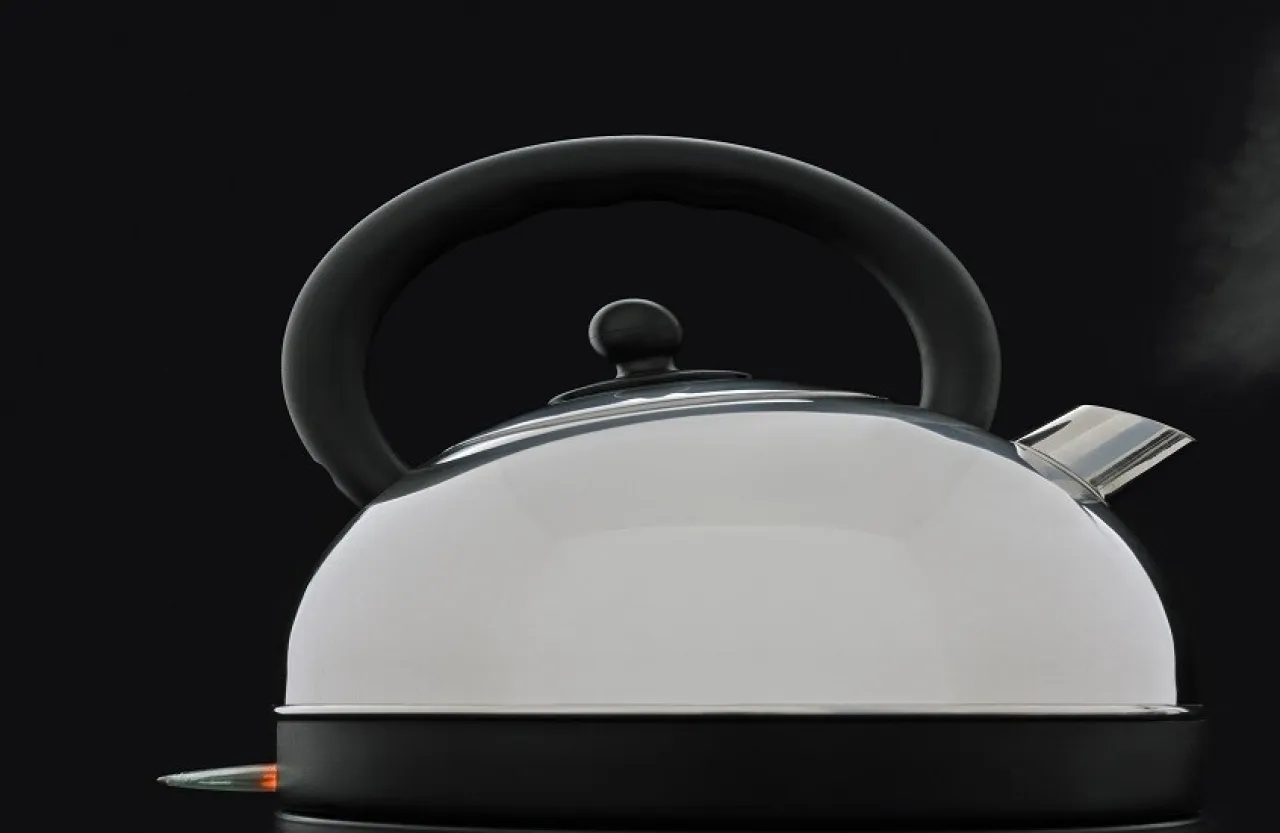
Khaberni - A common belief suggests that water becomes "dead" or harmful to health when boiled more than once, so much so that some people make sure to boil a new batch of water each time to avoid this. But is there a scientific basis for this belief?
To understand the issue of boiling water twice, we need to take a scientific look at what happens during boiling.
According to experts, when water boils, it loses dissolved gases such as oxygen and nitrogen. This does not alter the water molecule itself (H₂O), but it may affect the taste of drinks made from it. For example, tea or coffee made from reboiled water might taste a bit less aromatic or slightly bland, due to the loss of gases, not because of the introduction of new harmful substances.
Also, the concentration of dissolved salts and minerals may increase slightly due to the evaporation of part of the water during the first boil, but this effect is minimal and depends on the quality of the original water.
Common arguments against the myth "water cannot be boiled twice" include the idea of forming dangerous compounds or accumulating toxins. In reality, no new chemical compounds form during boiling unless they are already present in the water at a high concentration. For example, if the water initially contains nitrates or heavy metals, their concentration might slightly increase after evaporation of part of the water, but this is not common in good drinking water.
Experts point out that this phenomenon is not a chemical transformation, but merely a physical effect: part of the water evaporates, leaving the rest behind. This does not turn the water molecules into "toxic" or "inactive" molecules.
When is it advisable to use fresh water for boiling?
If the water is very hard or contains a lot of dissolved minerals.
If the water has been stagnant for a long time.
In these cases, using new water might be better in terms of taste and preventing the buildup of scale, but this is more about comfort and taste than health.
Conclusion:
The same water can be boiled twice if it is of high quality and has not been stored for a long time.
Reboiling may slightly alter the taste of beverages.
The quality of the water source and the cleanliness of the kettle are much more important than the number of times the water is boiled.