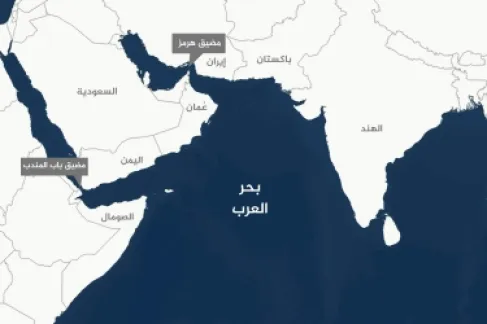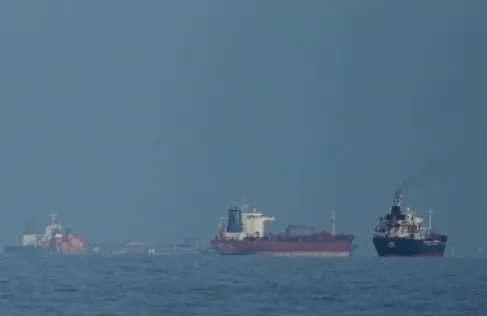
Khaberni - Oil prices rose on Thursday, driven by market concerns about escalating tensions between the United States and Iran.
Brent crude futures climbed 34 cents, or 0.49%, to $69.74 a barrel, while West Texas Intermediate crude in the U.S. rose 37 cents, or 0.57%, to $65 a barrel by 01:26 Greenwich Mean Time.
Both crudes had ended the previous session with gains, as Brent increased by 0.87% and U.S. crude rose by more than 1.05%, after concerns about political escalation overshadowed the impact of an increase in U.S. crude oil inventories.
The main support for the prices came from political developments, after U.S. President Donald Trump said following talks with Israeli Prime Minister Benjamin Netanyahu that the sides had not reached a "specific" decision on how to move forward on the Iran file, but he confirmed that negotiations with Tehran would continue.
Trump had indicated on Tuesday that he was considering sending a second aircraft carrier to the Middle East if no agreement was reached with Iran, as Washington and Tehran prepare to resume indirect talks which started last week in Oman, without a specified date for the next round.
Traders believe that any further escalation in the region could push prices to exceed the range of $65-$66 for West Texas crude, while a reduction in tensions could lead to a profit-taking wave that would lower prices to between $60 and $61.
In related context, U.S. labor market data supported morale, as the Department of Labor announced accelerated job growth in January, with the unemployment rate dropping to 4.3%, reflecting the strength of the economy and bolstering expectations for energy demand.
However, a significant rise in U.S. crude inventories limited the price gains. Data from the Energy Information Administration showed an increase in inventories of 8.5 million barrels to 428.8 million barrels last week, far exceeding analysts' expectations which had predicted an increase of only 793,000 barrels.
The price movements also occur amid the ongoing tightening of sanctions on Russian oil, and expectations of a decline in exports, which further enhances the uncertainty in global supply.