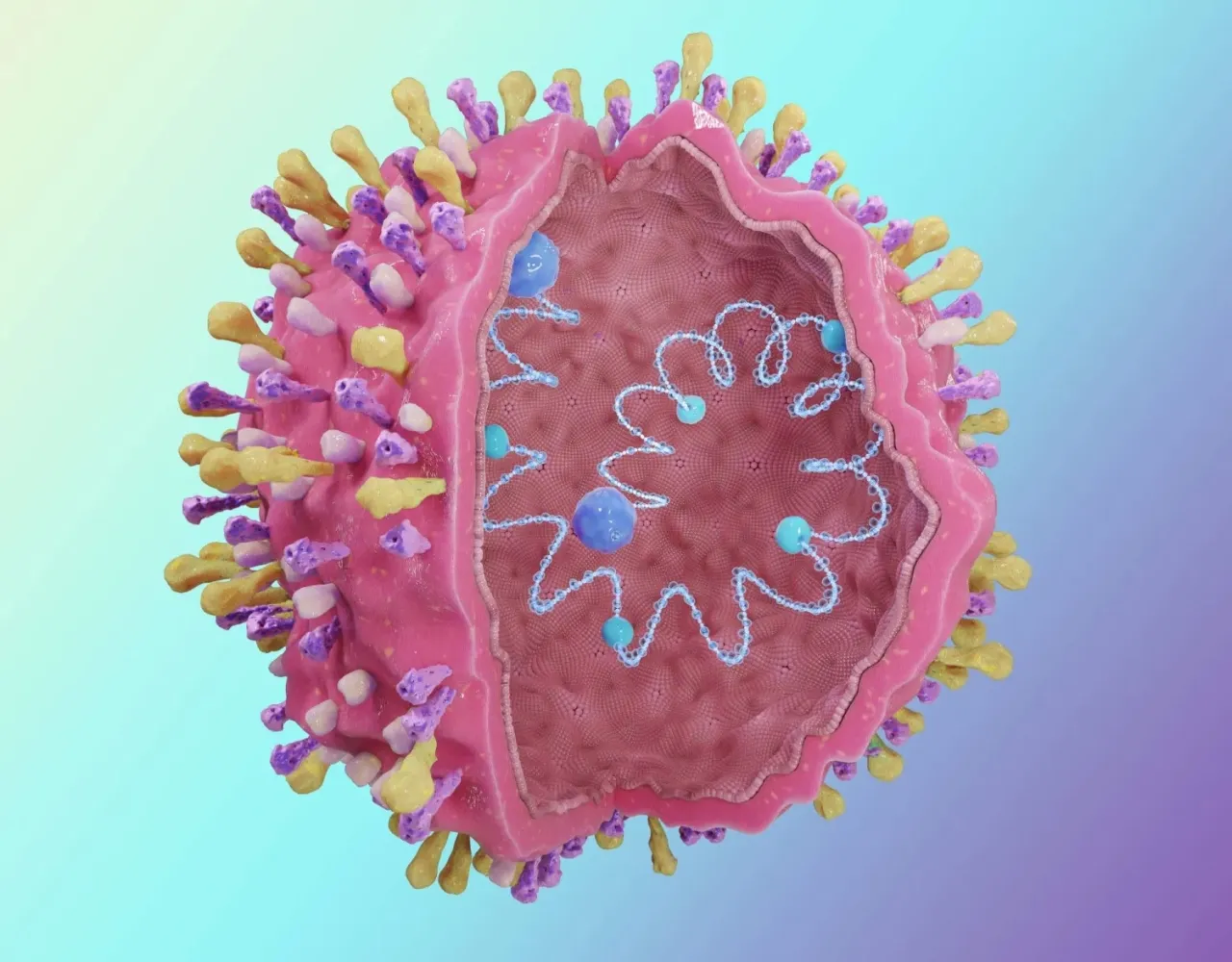
Khaberni - The Family Health Care Institute (one of the King Hussein Foundation institutes) presents important information about Respiratory Syncytial Virus on this Wednesday, a significant cause of respiratory infections globally, especially in infants, young children, the elderly, and those with compromised immune systems.
As an RNA virus, Respiratory Syncytial Virus belongs to the Paramyxoviridae family, affecting both the upper and lower respiratory tract, the Institute's bulletin details its symptoms, causes, transmission methods, and the complications that may arise.
The respiratory disease caused by the Respiratory Syncytial Virus can result in symptoms similar to the common cold, and in some cases, severe illness.
Respiratory Syncytial Virus - RSV is more common than you might think. We often hear about severe diseases in infants due to it, but adults and children of all ages can also be affected. Infants are particularly susceptible to severe complications because their immune systems are still developing, and their smaller airways are more prone to inflammation.
You can also get infected with RSV several times throughout your life and sometimes even twice in a single year. For adults, it usually causes mild symptoms similar to a cold. However, adults over 65 and people with weakened immune systems are more likely to suffer from severe illness.
** Symptoms and Causes
Symptoms of Respiratory Syncytial Virus include nasal discharge or blockage, coughing, sore throat, loud or wheezing breathing, and more. The symptoms include:
- Coughing.
- Breathing difficulties.
- Breathing pauses in young infants.
- Nasal discharge or blockage.
- Sneezing.
- Sore throat.
- Headache.
- Fatigue.
- Fever.
- Appetite loss.
The symptoms might appear a bit different in infants or young children. They might appear upset or irritable, or they may not want to play as usual.
You must seek emergency help if you or your child develops severe symptoms, such as:
- Shortness of breath or breathing difficulties.
- Wheezing or noisy breathing.
- The skin, lips, or nails turning blue or gray.
- Skin retraction between the ribs during breathing (chest indraw).
- Flaring nostrils during breathing.
- Shallow, rapid, or paused breathing.
** Transmission Methods:
The virus spreads through:
- Close contact with an infected person.
- Coughing and sneezing (respiratory droplets).
- Contaminated surfaces or objects (such as toys, table surfaces, and phones).
Is the disease contagious?
Yes, the virus is contagious as long as you have symptoms, usually from three to eight days. The virus spreads easily from person to person and can live on hard surfaces, such as tables, for several hours.
You can transmit the virus a day or two before symptoms appear. Infants and people with weakened immune systems might remain contagious even after symptoms disappear, for up to four weeks.
** Main Complications
Complications arising from Respiratory Syncytial Virus include:
1- Lower respiratory system diseases:
Bronchiolitis and pneumonia. These are the most common and serious complications, especially in infants. Bronchiolitis occurs due to inflammation and blockage of the small airways due to mucus and swelling of the cellular wall. Pneumonia represents injury to the lung tissue itself.
The child may suffer from:
- Reduced oxygenation.
- Accelerated breathing.
- Obvious respiratory effort.
In many cases, hospitalization or oxygen support is needed.
Premature infants and those with chronic heart or lung diseases are at greater risk for these complications.
2- Hospitalization and Respiratory Failure
Some patients, especially infants, may require:
- Intensive monitoring.
- Additional oxygen.
- Intravenous fluids.
In severe cases, respiratory failure may occur, requiring mechanical ventilation and intensive care admission.
In older adults or patients with chronic diseases like chronic obstructive pulmonary disease or heart failure, the infection can also be severe and is associated with a higher mortality rate.
3- Middle Ear Inflammation
This is a common complication in children.
It occurs due to blockage of the Eustachian tube resulting from an upper respiratory infection.
It may lead to:
- Severe pain.
- Fever.
- Need for antibiotics.
Though less serious than pneumonia, it imposes an additional treatment burden.
4- Exacerbation of Chronic Respiratory Diseases
The virus can cause:
- Severe asthma attacks in children
- Worsening of chronic obstructive pulmonary disease in adults
Patients often suffer from wheezing and prolonged coughing.
5- Long-term Respiratory Effects
Studies show that severe early childhood infection is linked to an increased likelihood of:
- Recurrent wheezing.
- Later development of asthma.
It is believed that the virus may affect the development and future hyperreactivity of the airways.
6- Extrathoracic Complications
Though less common, these are documented in severe cases.
Cardiac complications
May include:
- Myocarditis.
- Arrhythmias.
- Worsening heart failure.
Neurological complications
Rare cases have been recorded such as:
- Seizures.
- Brain dysfunction.
- Muscle tone weakness.
Sometimes, a decrease in sodium can lead to convulsive episodes.
Direct spread of the virus to the nervous system is very rare but has been described in severe cases.