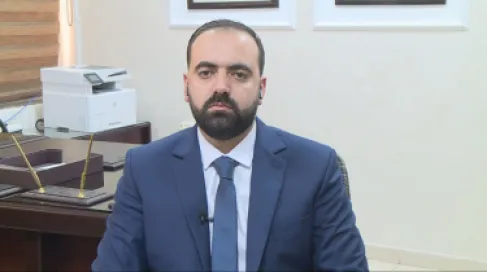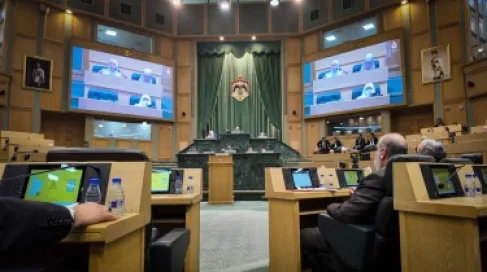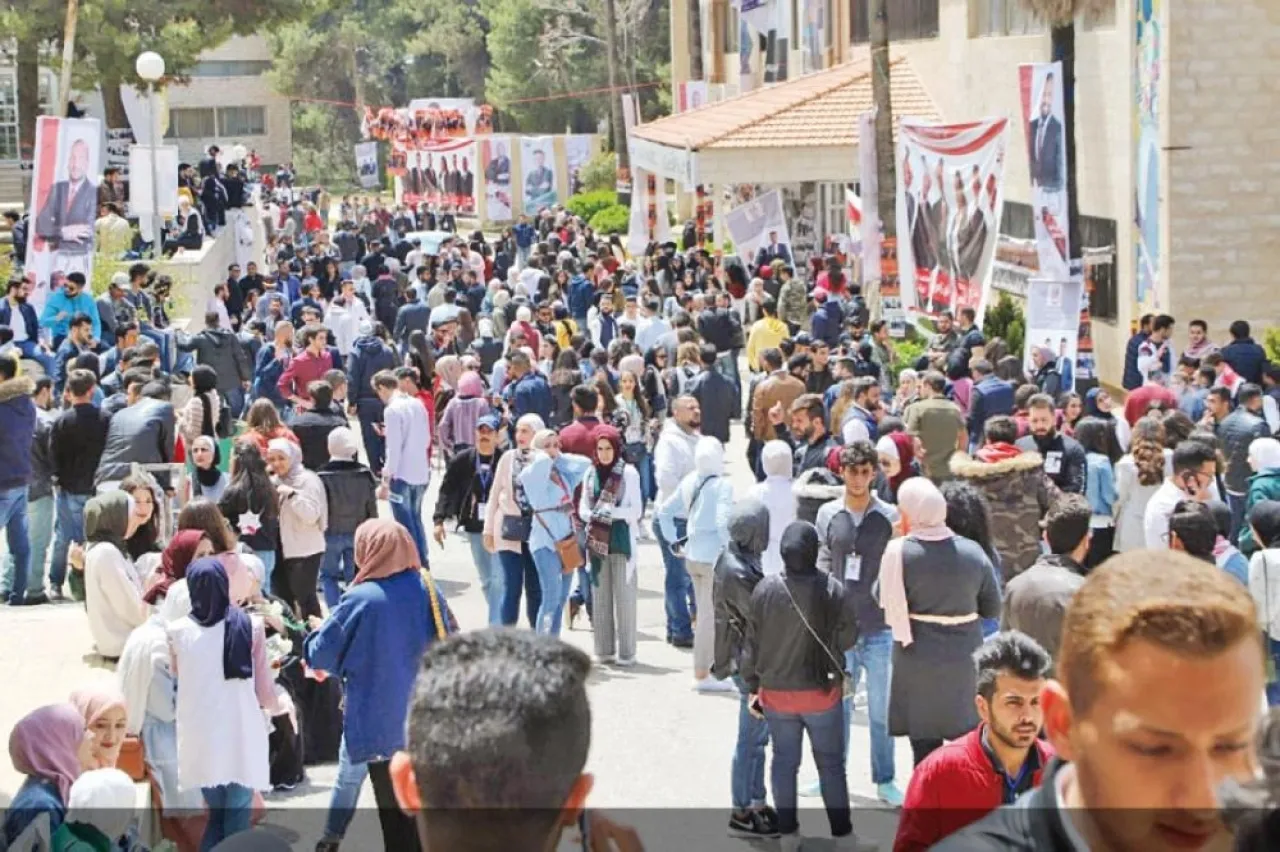
Khaberni - The first deputy of the Speaker of the House of Representatives, Dr. Khamis Hussein Atiyah, urged the government to quickly include about 17,000 students who were deprived of the benefits from the scholarship and loan program for students studying in official Jordanian universities and colleges, calling for this year to be adopted as an exceptional year that serves as a supportive stance for students and their families.
Atiyah stated, in a letter addressed to Prime Minister Dr. Jaffar Hassan, that the results of the final lists of students eligible for the program revealed a clear flaw in the criteria and instructions for providing scholarships and loans, despite raising the allocations of the university student support fund from 30 million dinars last year to 40 million dinars this year, in addition to direct royal support of 5 million dinars, and another 5 million from the proceeds of selling distinctive numbers.
He explained that the number of applicants for the programme reached about 83,000 students, while the number of beneficiaries did not exceed 60,000 only, with about 6,000 students being excluded, emphasizing that these numbers are incompatible with the increase in financial allocations and do not achieve the Principle of equal opportunities and social justice.
He pointed out that the difficult economic conditions and the rising costs of education and living threaten the right of an increasing number of students to continue their education, which constitutes a breach of fundamental constitutional principles, at the forefront of which are the right to education and equality, warning of the widening of the class gap and the rise in university dropout rates if these policies continue.
He affirmed that education is a fundamental right, not a privilege, and that investment in it is a duty of the state, calling for a reordering of priorities and the adoption of more just and flexible policies that ensure students' ability to join academic seats.
He also emphasized the need to reconsider the percentages and numbers of beneficiaries among diploma students, to increase their inclusion rate in the program, and not to limit support to technical specializations only, noting that the number of accepted students from this category was modest and does not reflect the true size of the need.