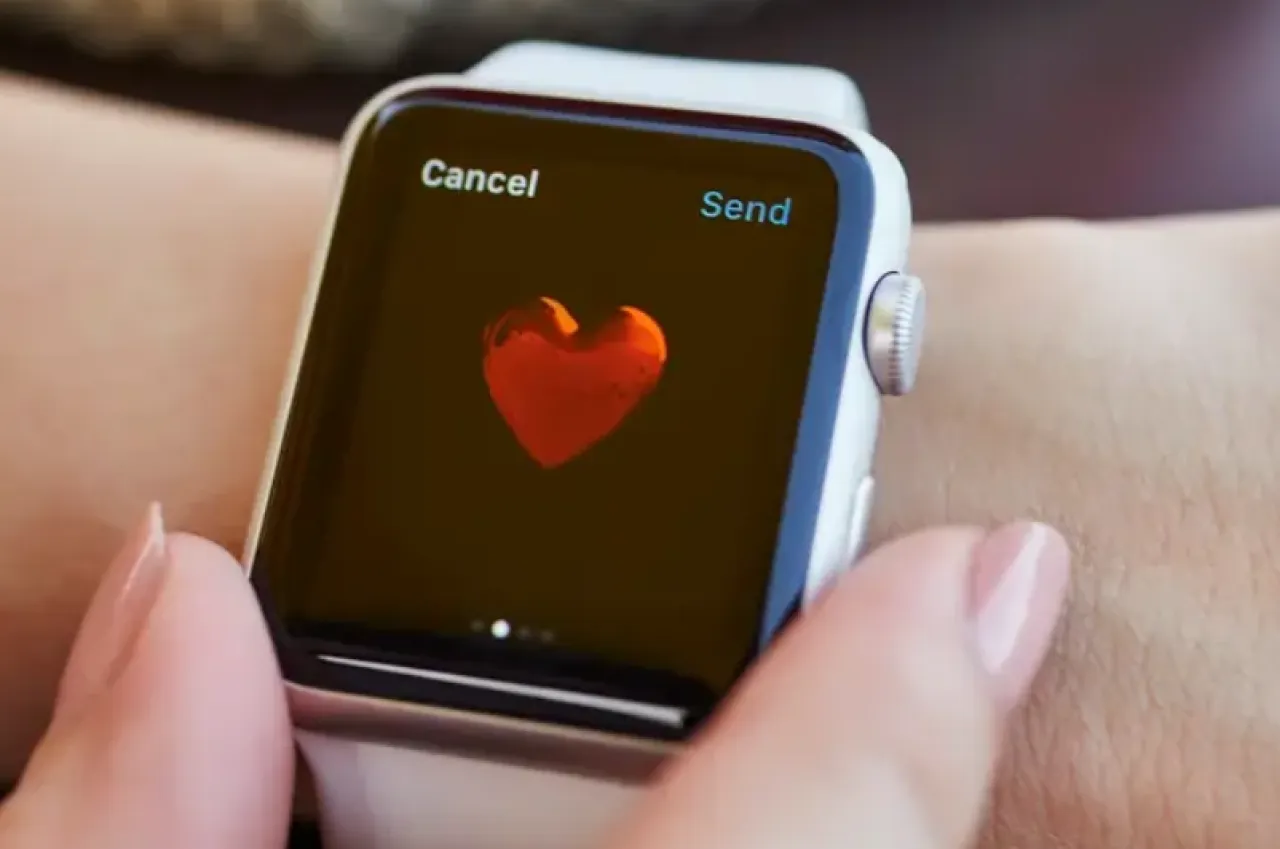
Khaberni - In a step described as promising for digital health, the Apple Watch received approval in September 2025 from the U.S. Food and Drug Administration (FDA) for the feature «high blood pressure notifications», which relies on optical sensors that monitor blood flow patterns without the need for a traditional measuring device.
However, a new scientific study reveals that, despite its importance, this technology is not sufficient to rely on alone in detecting undiagnosed cases.
The study, led by researchers from the University of Utah and the University of Pennsylvania and published in the JAMA journal, analyzed the real impact of using this feature if applied widely among adults in the United States.
The lead researcher, Adam Press, explains that high blood pressure is known as the "silent killer" because it often does not cause clear symptoms, yet it remains the most significant modifiable cause of heart disease. Here lies the importance of any tool that can assist in early alerting, even if it is not diagnostic.
However, the problem, according to the study, is that the Apple Watch's feature might miss a large number of cases. Previous validation studies showed that about 59% of those with undiagnosed high blood pressure would not receive any alert, while about 8% of those not affected might receive false alarms.
The researchers analyzed representative data of the American population and found that the value of the alert varies greatly depending on age and demographic group.
For adults under 30 years old, the alert increases the likelihood of having high blood pressure from 14% to 47%. However, not receiving an alert decreases the probability to 10%.
In contrast, for those over 60 years old, where the disease is more prevalent, the alert increases the probability from 45% to 81%, but the absence of an alert does not provide much reassurance, as the probability remains relatively high at 34%.
The study also revealed differences between ethnic groups. Among African Americans, the alert raises the probability of having high blood pressure from 36% to 75%, while it drops to 26% in the absence of an alert. Among Latin Americans, the probability increases from 24% to 63% with an alert.
The researchers link these differences to what is known as the social determinants of health, such as income, lifestyle, and access to health care.
An assistive tool... not a medical substitute
The researchers emphasize that Apple Watch notifications should complement, not replace, traditional examinations using approved blood pressure measuring devices. They caution that the "false reassurance" from not receiving an alert could lead some to neglect regular check-ups.
Doctors advise that upon receiving a watch alert, an accurate measurement should be taken in the clinic, followed by home measurement or 24-hour blood pressure monitoring to confirm the diagnosis.
In conclusion, the Apple Watch offers a new opportunity to increase awareness of high blood pressure, but it does not replace traditional medical examination. Between the promise of technology and clinical reality, medical accuracy and regular follow-up remain the true basis for protecting the heart.