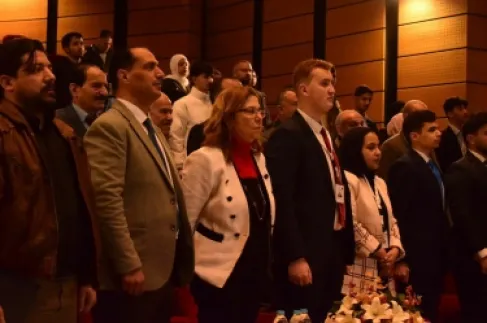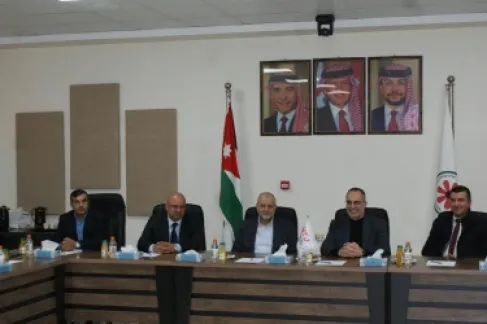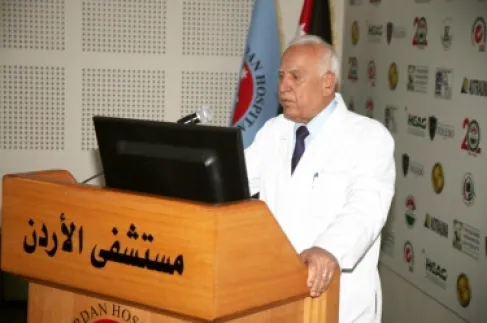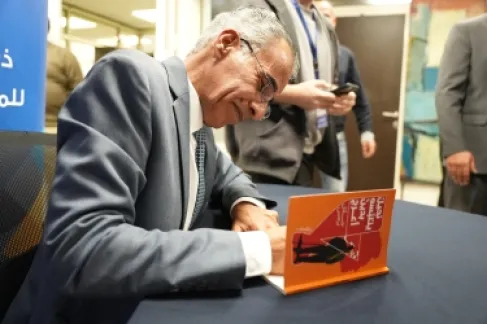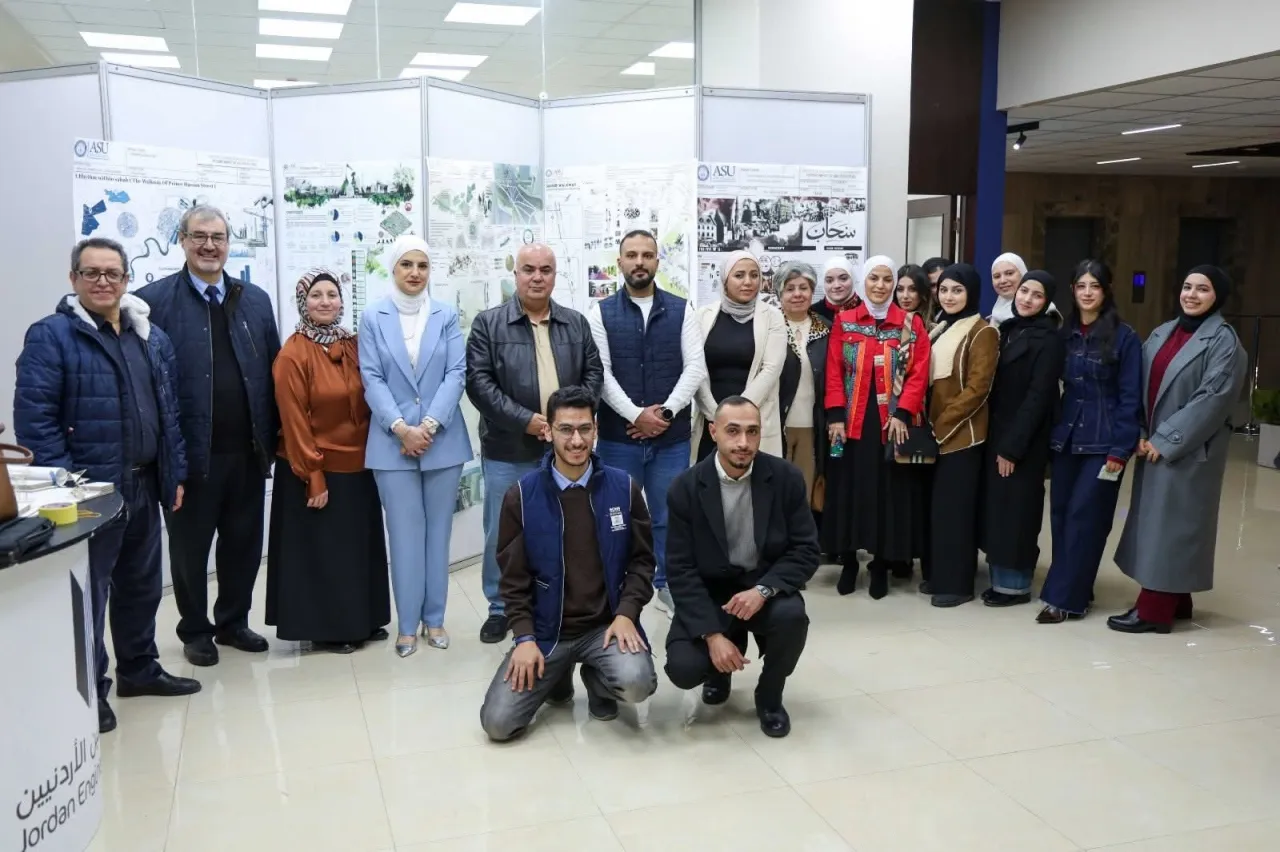
Khaberni - The architectural division of the Engineering Syndicate represented by the Planning and Urban Design Committee, in cooperation with the Department of Architecture at the Applied Science Private University and the Municipality of Sahab, conducted a workshop titled “Enhancing the Urban Landscape of Prince Hasan bin Talal Street”, under the sponsorship of the head of the architectural division in the Jordan Engineers Association, Engineer Imad Al-Dabbas, and with the presence of members of the architectural division council.
Al-Dabbas emphasized in his speech the importance of enhancing the partnership between the Engineers Association, municipalities, and academic institutions in developing the urban landscape, stressing that sustainability and integrated urban planning have become a national necessity imposed by development requirements and the improvement of life quality. He pointed to the architectural division's commitment to embedding the concepts of green building and sustainable urban interventions to achieve more efficient and sustainable urban environments.
In turn, Dr. Khaled Al-Momani, head of the Planning and Urban Design Committee at the syndicate, explained that the workshop is part of the syndicate's efforts to enhance cooperation with the Municipality of Sahab, due to the unique nature of the area which experiences an overlap between industrial activity and population density, making the improvement of the urban landscape a fundamental element in addressing environmental, social, and economic challenges.
Dr. Heba Al-Qub from the Applied Science Private University highlighted the importance of linking academic education with practical application, noting that selecting Prince Hasan bin Talal Street as a case study within the architectural site coordination course allowed students to deal with realistic urban issues and to present design proposals that are open for discussion and development in cooperation with professional and official entities.
The workshop included a presentation of a series of student projects presented by students of the Department of Architecture at the university, focused on improving the pedestrian experience, activating public space, and enhancing elements of planting, shade, and water, alongside applying principles of sustainability and sensitive urban intervention, where the projects reflected an advanced level of intellectual and design maturity.
The workshop was attended and participated by representatives of the Municipality of Sahab who discussed the proposals presented, confirming the possibility of benefiting from them within the municipality's future plans aimed at developing the urban landscape and improving the services provided to citizens.
This workshop exemplifies a practical model of integration between academic, professional, and municipal work, enhancing national efforts aimed at developing the urban landscape and achieving sustainable development.