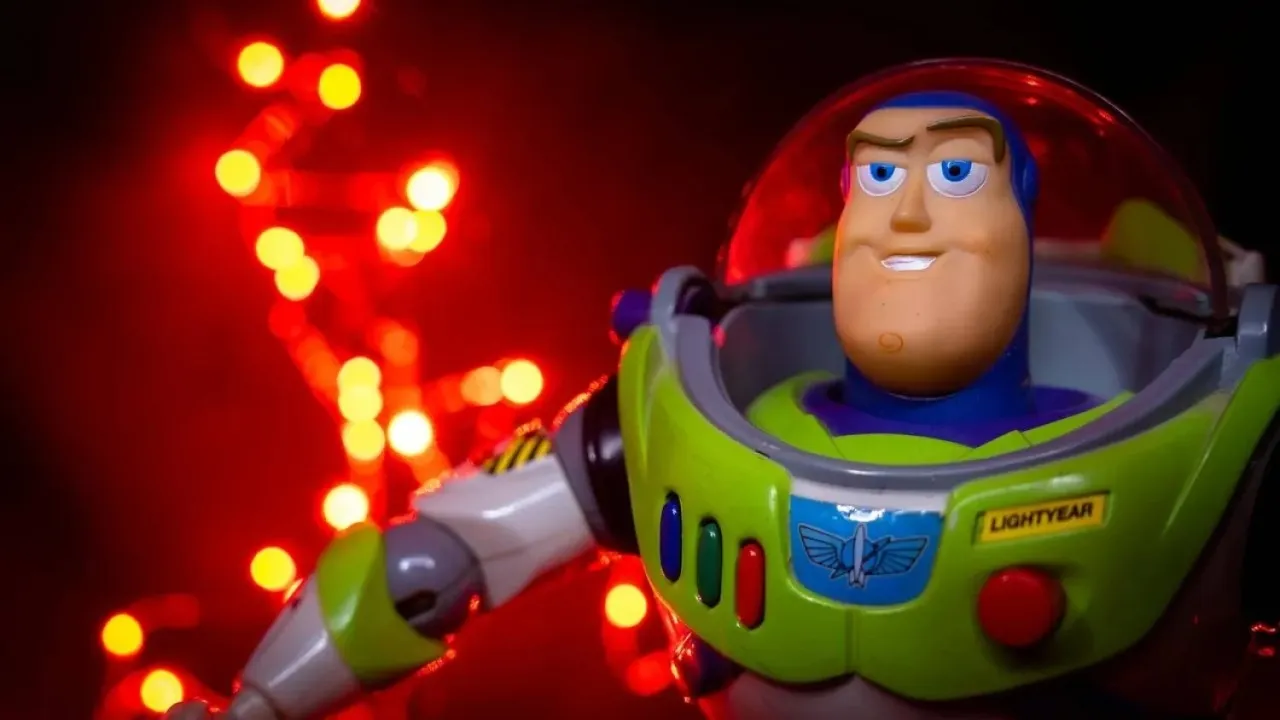
Khaberni - From the thrilling adventures of «Toy Story», to the childish antics of «Ted», the idea of dolls and stuffed bears that come to life has become a cliché cinematic idea.
While recent developments in artificial intelligence have made it possible to create toys that seem conscious, they appear closer to villainous characters like the clown in the movie «Poltergeist» and the character «Chucky» in the movie «Child's Play» than to characters like «Woody» and «Buzz Lightyear».
According to the American non-governmental organization «Common Sense Media», which monitors the consumption of electronic goods, AI-driven dolls and toys say things inappropriate for children and violate home privacy by collecting extensive data.
Robbie Tornie, head of digital ratings at «Common Sense», says: «Our risk assessment showed that AI dolls share inherent problems that make them unsuitable for young children».
Tornie says: «More than a quarter of the products contain inappropriate content, such as references to self-harm, drugs, and risky behaviors», pointing out that these devices require «intensive data collection» and rely on «subscription models that exploit emotional bonds».
According to «Common Sense», some of these toys use «bonding mechanisms to create friendship-like relationships», warning that these devices at the same time «collect extensive data in children's private spaces», including voice recordings, written texts, and «behavioral data».
«Common Sense» emphasizes the need for no child under the age of five to be near an artificial intelligence toy, and that parents should be cautious regarding children aged 6 to 12 years.
James Steyer, founder and president of «Common Sense», says: «We still lack effective safeguards to protect children from artificial intelligence», comparing the absence of such protection to «the rigorous tests» of safety and suitability that other toys undergo before being approved for sale.