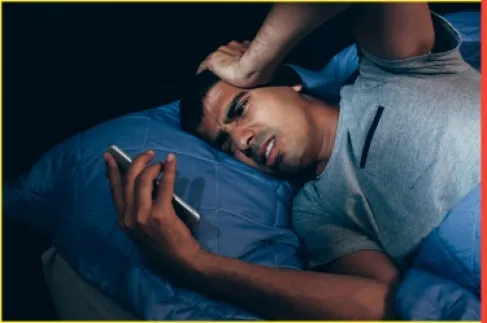
Khaberni - Obstructive sleep apnea is one of the serious breathing disorders during sleep, as the airway temporarily stops working, which increases the risk of cardiovascular diseases and cognitive issues. However, a new medical innovation might offer hope to millions of patients worldwide.
The innovation relies on hypoglossal nerve stimulation (HNS), a treatment based on electrical pulses that prevent the tongue from blocking the airway during sleep. The current version of this treatment is effective but requires major surgery and a complex implant that does not suit all patients.
In a recent study conducted by a team from Flinders University in Australia, according to the journal "Chest", researchers tested a smaller, easier-to-implant electrode, aiming to make the treatment less invasive and more suitable for a larger number of patients.
The initial trials showed remarkable success of the new device, as it successfully opened the airway in 13 out of 14 participants tested, a success rate of 93%, including cases of complete apnea. The researchers indicate that these results represent a significant improvement in nerve stimulation technology.
Ear, nose, and throat specialist Simon Carney said, "The procedure only takes 90 minutes and is performed under ultrasound guidance with minimal discomfort. Most importantly, we have treated patients who were previously unsuitable for traditional surgery."
Greater benefits and ease for patients
The new device can be implanted in an outpatient clinic, with a shorter recovery period compared to traditional surgery, thus expanding the eligible patient base and reducing costs.
The device can also be custom-designed for each individual, increasing its effectiveness and making adjustments easier than the previous version.
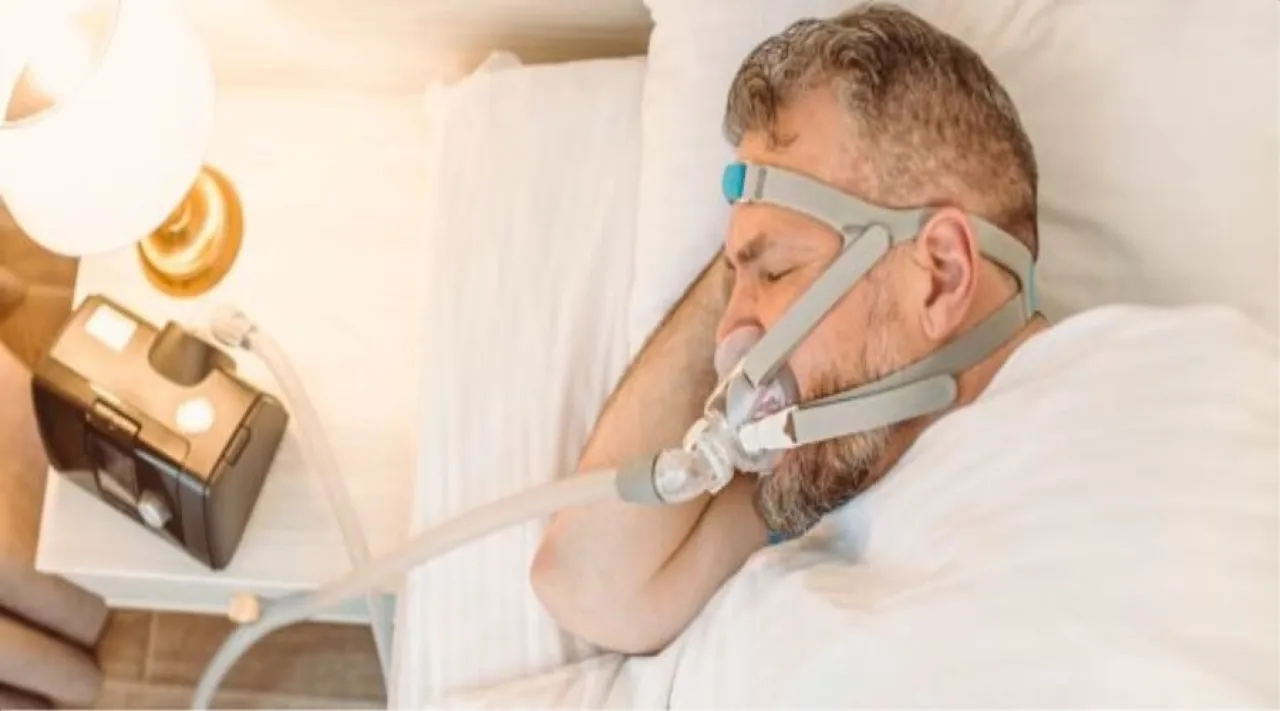
While Continuous Positive Airway Pressure (CPAP) devices remain the first choice for treating obstructive sleep apnea, they require wearing a mask during sleep, making about half of the patients unable to adhere to its use. Here, the role of the new nerve stimulation device emerges as an alternative option for patients who cannot tolerate traditional treatment.
Physiologist Amal Osman, the study's lead author, confirmed that "this approach could reduce recovery time and costs, and improve success rates for those who cannot tolerate traditional treatments."