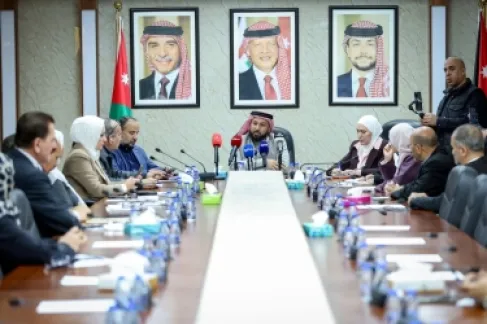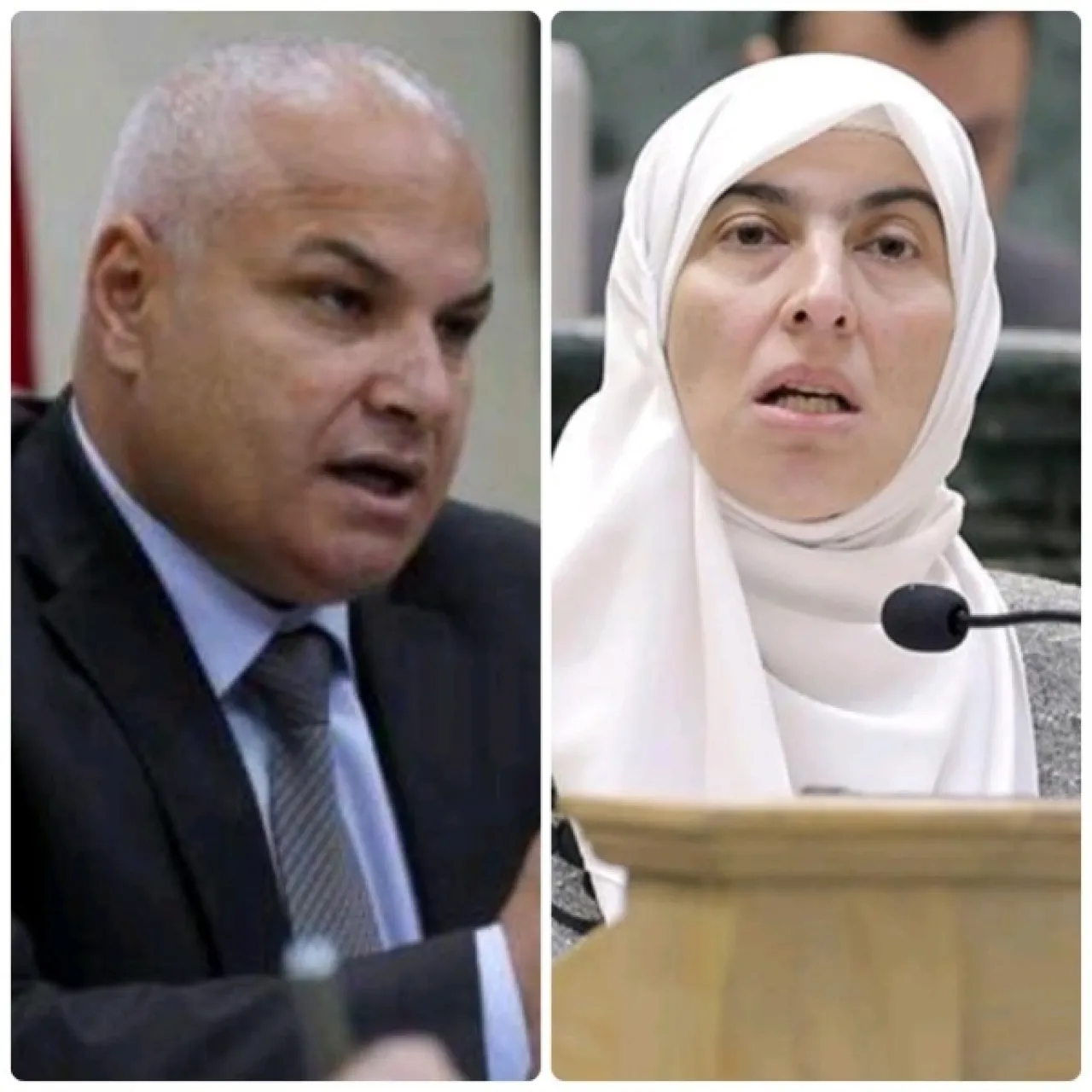
Khaberni - The legal period for responding to the interpellation of MP Dima Tahboob to the Minister of Labor, Khaled Al Bakkar, regarding decent work, ended today, Sunday, during the oversight session held on January 5th.
No response came from the ministry to the questions posed by the MP, totaling 100 questions, in what was described as the longest interpellation in the history of the Jordanian House of Representatives.
Observers of the parliamentary scene are questioning whether the House of Representatives will request an open session to discuss the interpellation; especially since the last discussion of a parliamentary interpellation took place in 2018 and was done by MP Tahboob herself when she submitted a parliamentary interrogation to the then Minister of Finance.
The parliamentary interrogation is a crucial constitutional oversight tool used by MPs to hold the government or one of its members accountable for policies, practices, or errors related to public affairs, aiming to uncover truths and hold the executive authority accountable, potentially leading to a vote of no confidence in the minister or the government.
Parliamentary Interrogation Process
The parliamentary interrogation process goes through several stages, as follows:
• Submission of the Interpellation:
The MP submits the interpellation in writing to the Speaker of the House, including facts, reasons, and documents.
• Notification:
The Speaker of the House notifies the concerned minister of the interpellation, also informing the MP.
• Discussion:
A date is set for discussing the interpellation in a public session to respond under the dome.
• Outcomes:
• Settling with the response, if the council is convinced by the minister's answers.
• Requesting a vote of no confidence if the council is not convinced, leading to a vote, which may result in the resignation of the minister.
The parliamentary interrogation is characterized as being public and accountable, and it is subject to strict constitutional requirements to ensure it is not used for personal or narrow political purposes.
Origin of the Story
It is noted that MP Tahboob converted the parliamentary question to an interrogation due to the inadequacy of the government's response and her dissatisfaction with the government's achievements in the field of decent work.
The interrogation included six main criteria, namely: general policies and employment standards, wage standards and minimum wage, social protection and social security standards, labor law and recent amendments, union and social dialogue standards, and public safety, occupational health, and law enforcement standards.
The presentation of this interrogation comes one day after discussing the decent work question by MP Dima Tahboob during the oversight session held on January 5, 2026, where Tahboob decided to convert the question into an interrogation due to the inadequacy of the government's response and her dissatisfaction with the government's achievements in the field of decent work.