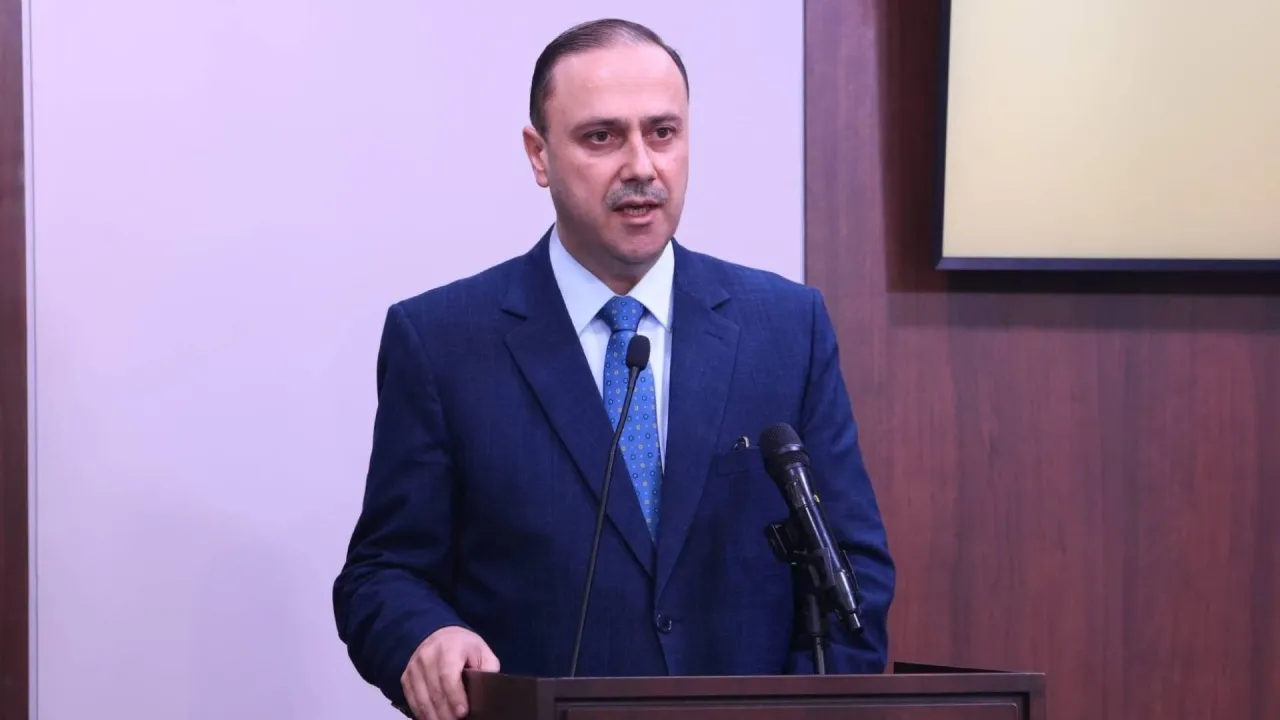
Khaberni - The government's communications minister, spokesperson Dr. Mohamed Al-Momani, commented on the issue of the three-day holiday, noting that the topic is on the table but linked to the completion of automation and digitization of services and related to studies and expert opinions to ensure that this will not affect the interests of the citizens, and will lead to improved services.
No sooner had the talk about a "government study" aimed at reducing the official institutions' working days to only four days per week, against three days off (Friday, Saturday, and Sunday), than social media platforms and public councils in Jordan turned into a heated and divided debate arena.
This proposal, still swinging between being an "ambitious idea" and a "plan under study," has reshaped public opinion priorities over the past hours.
According to informed official sources, the currently studied proposal in the "government kitchen" is based on a simple mathematical equation: shutting down official institutions and government departments for three days a week, with the lost working hours compensated by extending daily working hours by two hours (ending at five or six in the evening instead of three or four).
The sources clarified that the study initially excludes the health and education sectors; due to their specificity and direct linkage to the lives of citizens and the educational process which is difficult to compress into four days.
Through this approach, if approved, the government aims to achieve a series of strategic objectives, including:
Energy consumption optimization: where closing government buildings for an additional day contributes to reducing electricity and fuel bills.
Easing traffic congestion: Reducing traffic for a whole day reduces pressure on the streets of the capital, Amman.
Improving quality of life: Enhancing the concept of flexible work and giving employees more time for rest.
Advancing e-government: Focusing on a gradual transition towards digital services that do not require a physical presence of citizens.
Public division: strong supporters
As soon as the news spread, social media platforms (Facebook, Instagram, and X) were flooded with a massive wave of interaction. The vast majority of public sector employees swung towards absolute support for the idea.
They believe that the additional holiday will enhance family bonding and give them a real opportunity for rest and entertainment after a hard week of work, and it will also support domestic tourism by enabling families to visit and stay in provinces without worrying about early return.
Supporters cited successful international and Arab experiences, with the experience of Sharjah Emirate in the UAE at the forefront, which adopted a similar system and studies proved its contribution to improving productivity and indicators of happiness and occupational wellbeing.
On the other hand, another current expressed strong reservations and legitimate concerns. Observers and economists considered that the proposal could lead to a decrease in overall productivity and a slowdown in services provided to citizens who still prefer face-to-face consultation, potentially turning it into a kind of "masked unemployment."
But the biggest challenge was the voice of private sector employees, who mostly work six days a week. They expressed feelings of injustice and were wondering about their fate under this orientation, fearing an increasing gap between the sectors.
Also, questions were raised about the employee's capacity to endure long working hours of ten hours a day, especially considering the long distances and traffic crises that might make getting home very late.
Polls: Between realism and experimentation
Major news pages witnessed informal polls showing a clear positive inclination from a broad segment, against sharp debates about the effects of implementation.
Some posts on the platform "X" described the idea as "unrealistic" at the moment without preparing a full digital infrastructure, while others proposed a compromise solution of "limited experimentation" during the summer or in some service ministries to gauge the results before generalizing.
What's the next step?
As of now, the proposal remains within the "preliminary study" phase, and the government has not issued any official statement confirming its adoption or rejection definitively.
As the Jordanian street awaits more clarity in details, the main question emerges: Will this proposal translate into an actual decision that changes the lifestyle in Jordan, or will it remain within the realm of media circulation and face obstacles in implementation on the ground? The upcoming days will provide an answer.