Khaberni - Iranian Foreign Minister Abbas Araghchi stated that Iran's missile program is "non-negotiable" in negotiations with the United States. U.S. President Donald Trump, on Friday, praised the "very good" talks held with Iran, following a round of indirect negotiations between the United States and the Islamic Republic in Oman.
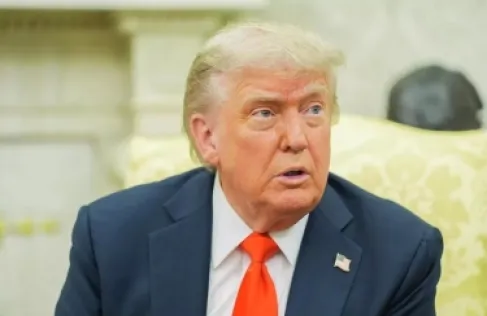
Trump told reporters aboard Air Force One, en route to Mar-a-Lago in Florida for the weekend: "We had very good talks about Iran, it seems that Tehran is very eager to strike a deal," adding, "We will meet again at the beginning of next week."
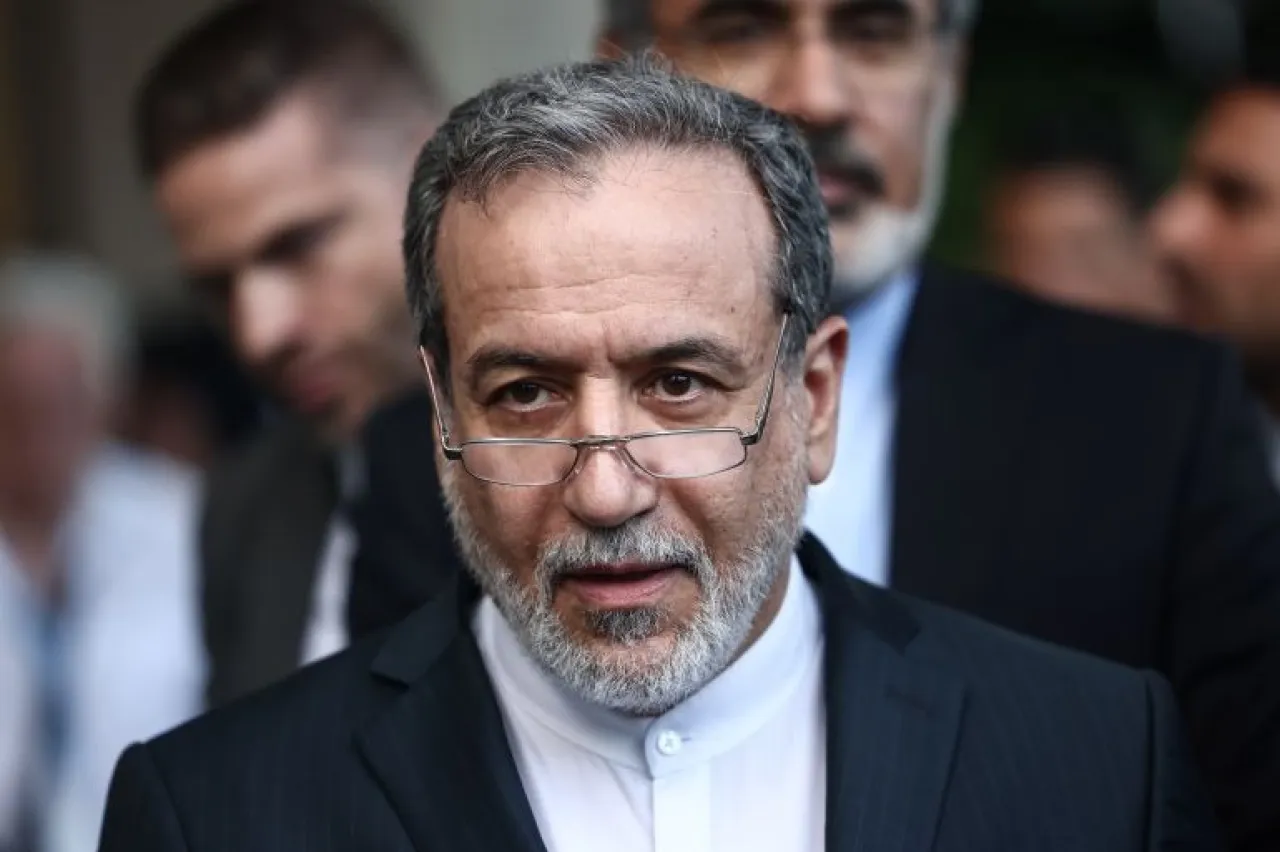
"A long way to go," reported Al Jazeera on Saturday, has Iranian Foreign Minister Abbas Araghchi saying that negotiations with Washington were a good start, emphasizing that the road is still long to build trust between the two sides. Araghchi explained that the negotiations were conducted indirectly and were limited only to the nuclear file, asserting that the demand for "zero enrichment" is outside the scope of negotiation for Iran. He stated that enrichment is an affirmed right for Iran and must continue, noting that even bombing has not been able to destroy Iranian capabilities in this area. He added that Tehran is ready to reach a reassuring agreement regarding enrichment.
On the other hand, he emphasized that missiles are non-negotiable now and in the future, considering them a defensive matter. Iranian Foreign Minister also mentioned that the course of negotiations must be free of any threats or pressures, expressing hope that this will be reflected in the American approach.
He affirmed that building trust is a fundamental condition for conducting realistic negotiations that lead to a fair and mutually beneficial outcome. He said that Washington had retreated and returned to negotiations after it had previously bombarded Iran through military attacks, considering that the Iranian nuclear issue can only be resolved through negotiations.
Araghchi noted that the level of enrichment depends on Iran's needs, and confirmed that enriched uranium does not leave the country. He also mentioned that there is no set date yet for a second round of negotiations, although both the Iranian and American sides believe it should be held soon. Despite the negotiations being indirect, they offered an opportunity to handshake with the American delegation.
The potential for war is always there, and Iran is prepared for it, Araghchi explained, noting that it is part of the efforts to prevent it from happening. He affirmed that there is no possibility to attack American territory if Washington attacks Iran, pointing out that the response would be by targeting American bases in the region, clarifying that Iran does not attack neighboring countries but the American bases located in them.
New sanctions post-negotiations announced by Washington, after the negotiation round ended, imposed new sanctions on the Iranian oil sector that included 15 entities and two people and 14 ships. Furthermore, Trump signed an executive order on Friday that states additional customs tariffs on countries that continue to trade with Iran. According to the text, which comes into effect on Saturday, additional tariffs can be imposed on imported products to the United States that are produced by any country that buys or imports directly or indirectly, or otherwise obtains goods or services from Iran. This is expected to affect trade with several countries, including Russia, Germany, Turkey, and the UAE. According to data from the World Trade Organization, more than a quarter of Iran's trade activity in 2024 was with China. The White House has not specified whether the issuance of the decree regarding these customs tariffs is related to the negotiations that took place in Oman.
First talks since June strikes are the first since the United States launched strikes on key sites of the Iranian nuclear program during the twelve-day war that Israel initiated against Iran. Iranian state television reported that the talks are being conducted indirectly, while the Omani Foreign Ministry published photos showing Minister Badr bin Hamad Albusaidi meeting each delegation separately. However, the American site Axios reported from two sources that direct discussions took place between Araghchi and Witkoff and Kushner in Muscat.
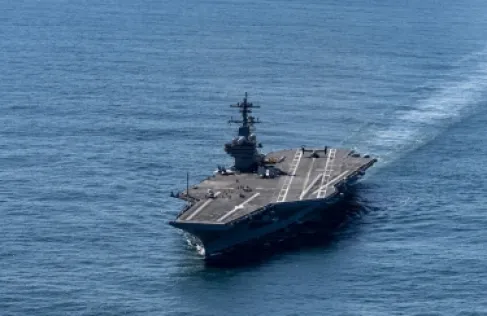
The Omani mediation role was highlighted by the Omani Foreign Minister via the "X" platform as having "very serious negotiations" mediated by his country between Iran and the United States in Muscat, adding that it was "useful to clarify the positions of Iran and the U.S. and identify possible areas of progress." In Washington, White House spokeswoman Carolynn Levitt said on Thursday that the U.S. delegation would discuss "zero nuclear capabilities" with Iran, cautioning that Trump has "many options besides diplomacy," pointing out that he is "the commander-in-chief of the most powerful military in history." The talks are being held while Washington is bolstering its military capabilities in the Middle East, with the deployment of the aircraft carrier Abraham Lincoln and its strike group, while Iran threatened to target American bases in the region in the event of an attack.
A broader domestic and regional context followed weeks of widespread protests in Iran. The Iranian authorities acknowledged approximately three thousand deaths, while human rights organizations reported a higher toll. Trump reminded that his country deploys "a large fleet" in the region, after having threatened to strike Iran in support of demonstrators before later focusing his remarks on the nuclear program. Western countries and Israel accuse Iran of seeking to possess a nuclear bomb, which Tehran denies, affirming its right to a civilian nuclear program.
International positions before the start of negotiations, China affirmed its support for Iran in "maintaining its sovereignty, security, and national dignity." Qatar expressed hope that the negotiations would lead to a "comprehensive agreement." In contrast, the French Foreign Minister called from Beirut for Iran to stop "destabilizing" the region. Iran emphasized that it wants to limit negotiations to the nuclear file to lift sanctions, rejecting any discussion of its missile program or support for militant organizations in the region. On the other hand, U.S. Secretary of State Marco Rubio stressed that any concrete results would require discussing missiles, regional support, the nuclear program, and how Iran treats its people. The Institute for the Study of War saw Tehran as still showing resistance to meeting U.S. demands, reducing the chances of reaching a diplomatic solution between the two sides.