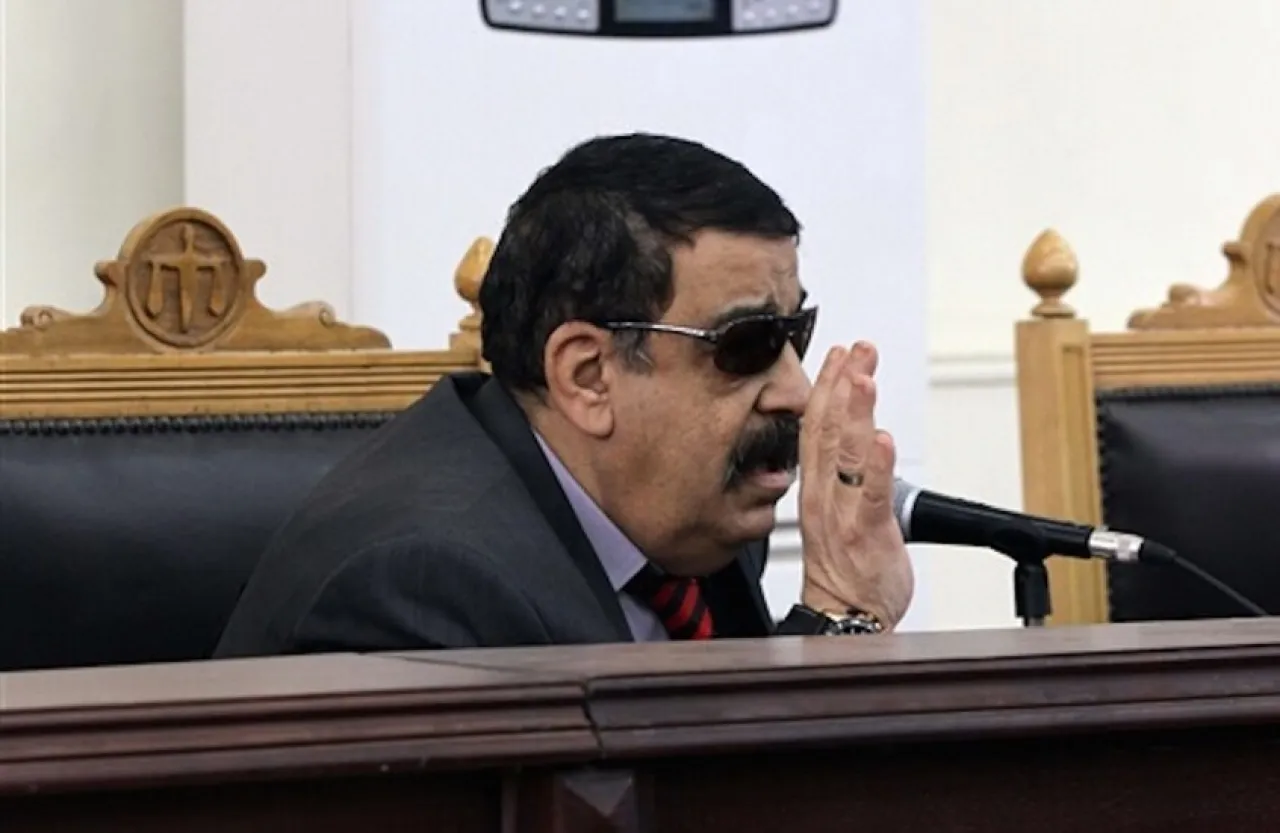
Khaberni - Lawyer Asaad Heikal, former rapporteur for the Committee on Freedoms at the Lawyers Syndicate, published a post in which he attacked the Muslim Brotherhood following the death of Counselor Mohamed Nagy Shehata, who held high judicial positions in Egypt.
Heikal pointed out that the media affiliated with the Muslim Brotherhood referred to the late judge as the "judge of executions," explaining that he had a judicial dispute with him while he was defending demonstrators in the case of the Cabinet sit-in incidents at the end of 2011, where he then requested the judge to step down from the case, leading to a heated argument that prompted the session to be adjourned.
The lawyer mentioned that the late judge responded to his unannounced request - during a subsequent pleading - and issued a verdict acquitting more than one hundred accused in that case, considering it a humanitarian and positive stance worthy of mention.
Heikal also sharply criticized those who gloat over the judge's death, saying: "It is sad that death becomes an arena for settling scores," affirming that "gloating over death and judging the deceased to enter hell is cruelty in the heart, and presumption and audacity towards God," citing the verse: {Say, "None in the heavens and the earth knows the unseen except Allah"}.
Heikal called for rising above disagreements, saying: "Rise above... Death is a lesson and a reminder that we are departing, and the destiny is the same, and that everything is up to God," warning against verbal excesses that have reached the extent of implicit excommunication against those who disagree with them in opinion.
Shehata graduated from the Faculty of Law at Cairo University in 1972, and served in the paratrooper forces until 1978, before joining the judiciary in 1979, where he climbed the ranks starting from deputy public prosecutor in the courts of North and South Cairo, then director of the Personal Status Prosecution, and eventually becoming the president of the Assiut Appeals Court.
His judicial career saw him handle prominent cases, including the case of the "Al-Showqeeyeen" takfiri group in Fayoum in the early eighties, and the "Al-Suweirki" case related to polygamy and forgery.
Following the events of June 30, 2013, he headed the fifth division at the Giza Criminal Court specialized in terrorism cases and incidents of violence, and oversaw a number of cases that received wide media attention, including the trial of Rabaa.