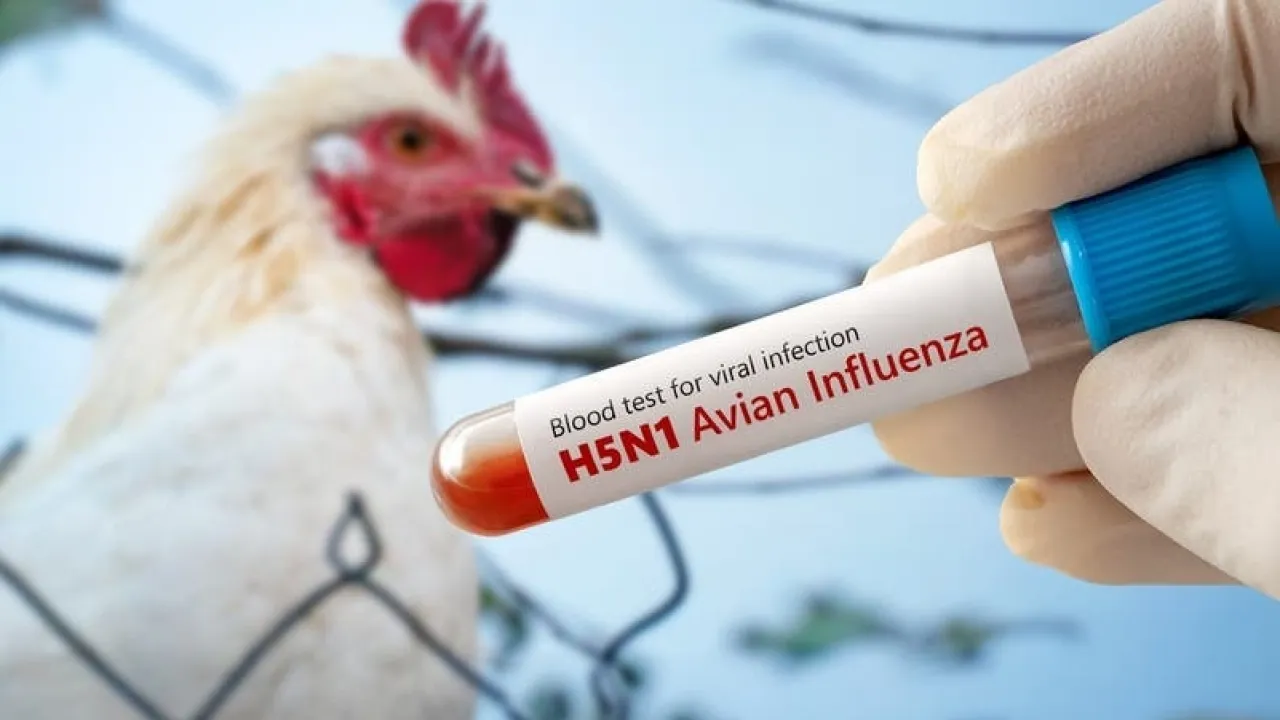
Khaberni - In a promising scientific step that could change the rules of prevention against respiratory epidemics, American researchers announced the development of a new nasal spray vaccine that demonstrated high protective potential against the H5N1 bird flu virus in animal trials, outperforming traditional vaccines that are given by injection.
This development comes at a time when the H5N1 virus continues to spread among animals, with sporadic human cases being recorded, raising scientists' fears of the potential for it to become a pandemic easily transmissible among humans in the future.
According to the study conducted by researchers at the Washington University School of Medicine in St. Louis and published in the journal Cell Reports Medicine, the new vaccine is administered through the nose and directly targets the upper respiratory tract, where the infection typically starts.
The researchers explained that this mechanism allows stopping the virus in its early stages, before it can spread within the body or transmit to others, which grants this vaccine a potential advantage in reducing severe infection and preventing disease transmission.
The trials conducted on hamsters and mice showed that the nasal vaccine provided almost complete protection from infection with the H5N1 virus, even when the animals were exposed to high doses of the virus. It also outperformed the same version when given by muscle injection.
It is noteworthy that the vaccine maintained its effectiveness even when used in low doses, which is an important factor in the event of large-scale production.
Effectiveness despite previous immunity
One of the known challenges in influenza vaccines is that immunity resulting from previous infections or seasonal vaccines might weaken the response to new vaccines. However, the researchers found that the nasal vaccine remained effective even in animals that had previous immunity against influenza viruses, which enhances its chances of success in human use, where most people have prior immune memory.
The new vaccine is based on a harmless viral vector, a technology previously used in other nasal vaccines, including a vaccine against the coronavirus that became available in India since 2022, and later received approval for clinical trials in the United States.
The researchers said that they designed the vaccine components based on strains of H5N1 known to infect humans, aiming to stimulate a more accurate and effective immune response.
Professor Jakob Boone, one of the researchers involved in the study, said that the recent transmission of the bird flu virus to new animal species, such as cattle, represents a "warning signal" that calls for preparedness for the possibility of a future pandemic.
He added that directing the vaccine directly to the nose and the upper respiratory tract could provide better protection from the infection itself, not just from serious complications, which could limit the widespread transmission of the virus.
The research team plans to conduct further studies on advanced biological models that simulate the human immune system, in preparation for moving to clinical stages. The researchers are also working on improving the vaccine design to enhance its effectiveness further and minimize any potential impact of previous immunity.
Although the vaccine is still in the pre-human trials phase, its results are considered a promising step in the development of more effective preventive tools against bird flu and other respiratory viruses that pose epidemic risks.