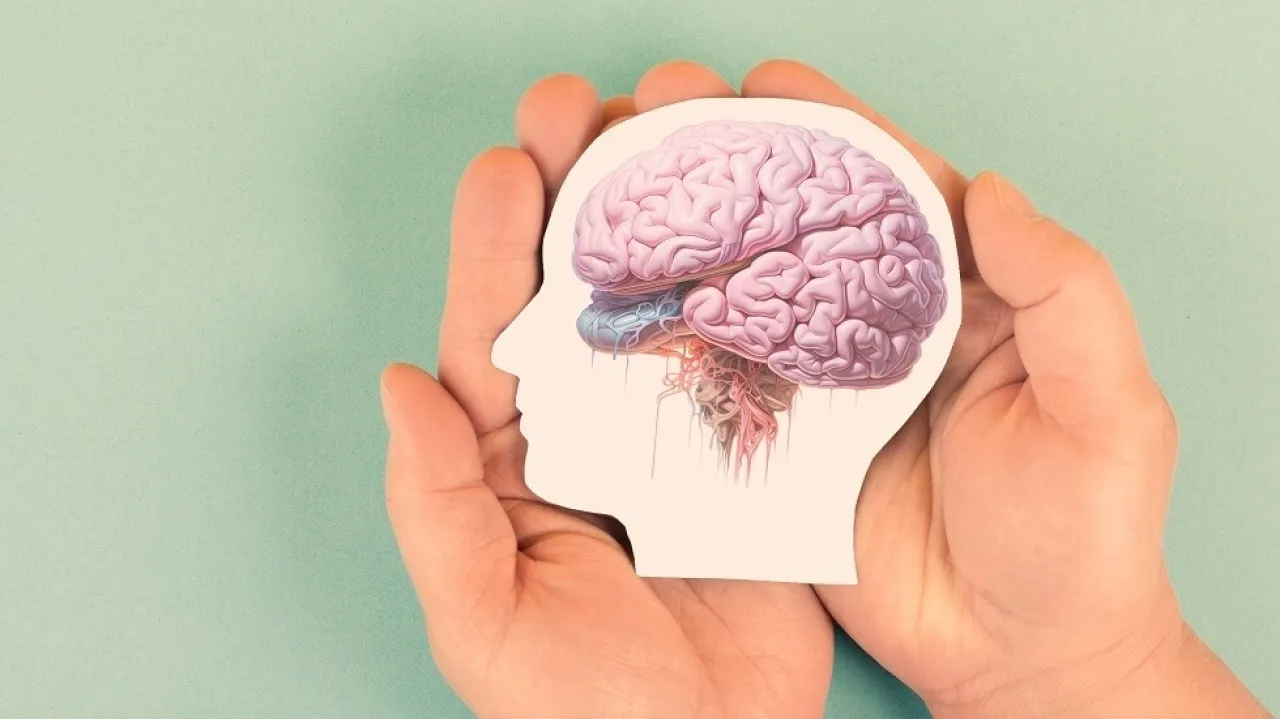
Khaberni - Psychologists have identified a sign often overlooked by those close to dementia patients, post-sunset disturbance, also known as "Sundowning", which usually emerges in the afternoon and clearly affects the patient's behavior, including anxiety, stress, and possibly hallucinations.
Dr. Keelin Lee, the CEO of the Dementia Care Center and visiting professor at the University of Portsmouth, explained that this phenomenon is not actually linked to the sunset, but often stems from unmet needs of the patient, such as hunger or pain, mood disorders, overstimulation during the day, sensory impairments, or severe fatigue.
As per the "Mirror" newspaper, Lee clarified that post-sunset disturbance is more common in the moderate and late stages of dementia, and dealing with the patient requires close monitoring and recording of symptoms and their times of occurrence, in an attempt to soothe them by talking about their favorite memories or events, or by distracting them from sources of anxiety.
Dr. also pointed out that some cases may benefit from medications such as lorazepam, but she warns of the dangers of relying on these drugs for long periods because of the risk of addiction, emphasizing that balancing control of symptoms and patient needs is necessary.
The Alzheimer's Association also confirmed that post-sunset disturbance can be exacerbated by a lack of exposure to natural light, poor interaction with others, or disruption of the patient’s biological clock; making monitoring the daily routine and maintaining continuous communication with patients vital.
In the same context, the symptoms of dementia vary according to its type, but they often include mood changes, difficulty concentrating, memory loss, confusion about time and place, and difficulty keeping up with conversations or finding the right words.