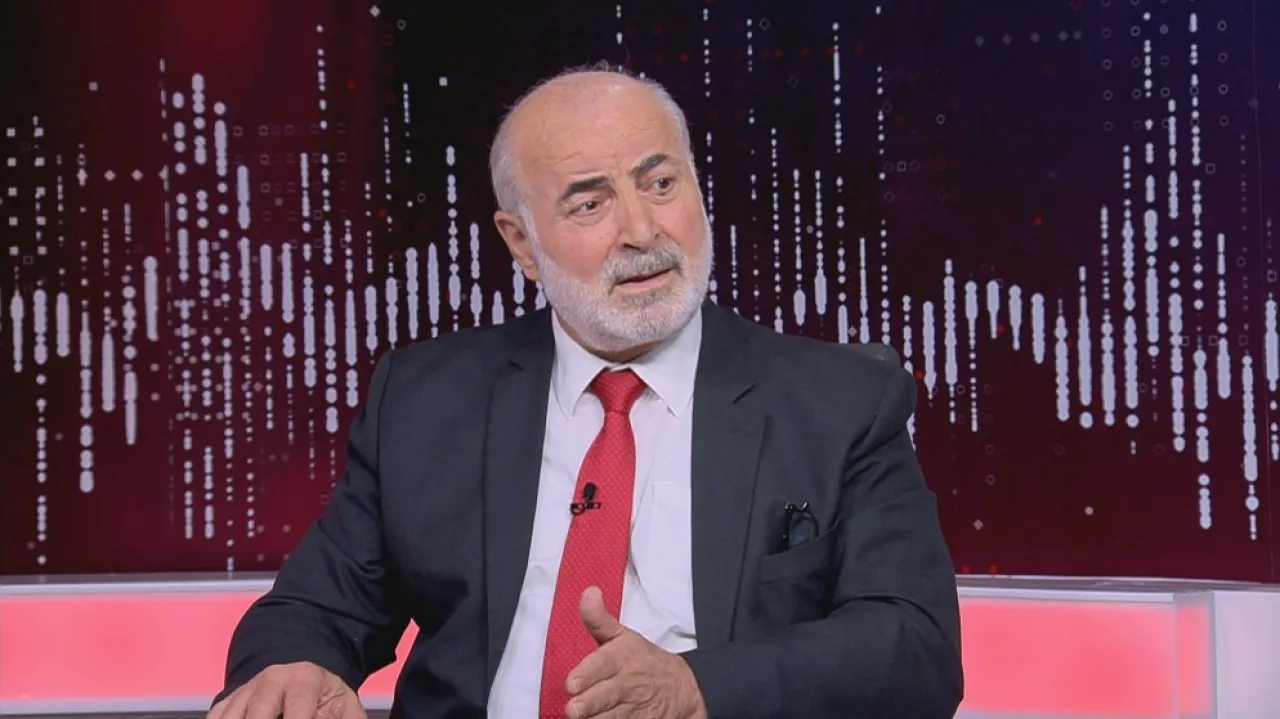
Khaberni - The Head of the Economic and Social Council, Musa Shettei, said that early retirement is considered one of the bills that negatively impact the sustainability of the General Institution for Social Security, clarifying that the dialogue sessions resulted in recommendations that represent the general direction among the groups that were dialogued with.
Shettei added, during his appearance on the "Voice of the Kingdom" program, that the social security, in some cases, pays the early retiree amounts that exceed what he paid in contributions during his working period, which constitutes an increasing financial burden on social security.
Shettei explained that the results of the national dialogue on what the social security law needs in terms of amendments in light of the findings of the eleventh actuarial study recommended expanding the insurance coverage umbrella, regulating early retirement and making it an exception, raising the minimum actual subscription duration required for its entitlement, and reducing the gap between the age of early retirement and the age of elderly retirement according to a formula that reflects the true actuarial cost.
Shettei clarified that if the amendments to the social security law are enacted, then regulating early retirement will become effective and mandatory according to the provisions of the law.
He pointed out that the recommendations related to the financial sustainability of the institution include gradually raising the age of elderly retirement, at its maximum, to 63 years for males and 58 years for females, and offering incentives to encourage subscribers to continue in the labor market.
He indicated that the results of the dialogue recommended enhancing the freedom to continue working after the retirement age for women by maintaining the mandatory inclusion of the insured women after reaching the age of (55) years, even if they meet the conditions for elderly retirement, if they wish to continue in the labor market until reaching the age of (60) years, without requiring the employer’s approval.
It also called for reducing insurance evasion and enhancing compliance through adopting a mix of incentives and stringent penalties, comprehensive linkage through digital compliance portals, and developing the investment strategy for the Social Security Fund's investment fund, diversifying investments, and distributing risks geographically and sectorally.
He indicated that the dialogue concluded with practical recommendations that could be implemented, in line with the directives of His Majesty King Abdullah II through the economic modernization vision in building a social protection system, which was reflected in the government's executive program for the years: 2026-2029 in the social protection pathway.
About the dialogue outcomes, Shettei clarified that the recommendations came within three axes: governance, sustainability, and protection and social justice, as an integrated system.
* The Administrative Structure of the Institution
He explained that among the most prominent recommendations related to the governance axis and the administrative structure of the General Institution for Social Security are separating the chairmanship of the institution's board from any ministerial post and creating an advanced leadership model, represented in appointing a governor for the institution, similar to the governor of the central bank, which achieves unity of leadership and stability of decisions or through an independent body, and revising the criteria for selecting social security representatives in the boards of companies in which the institution invests, adding that the dialogue recommended reorganizing the council of insurances and enhancing the governance of the investment fund board.
It also recommended appointing three commissioners or deputies to the governor at the rank of secretary-general, one for insurance affairs, another for investment affairs, and the third for institutional services, to ensure a clear distribution of responsibilities, enhancing accountability, and reducing conflicts of interest.
It called for revising meticulous and stringent standards for appointing social security representatives in the board of directors of companies in which the General Institution for Social Security invests, reorganizing the council of insurances by abolishing it and transferring its powers to the board of directors or maintaining it within a stricter governance framework, in addition to strengthening the governance of the investment fund board.
* Social Protection
Regarding the most prominent recommendations of the dialogue concerning the axis of "protection and social justice", Shettei stated that the recommendations included organizing insurance coverage for groups with special insurance status, mandatory inclusion for multi-job subscribers at more than one workplace and with all insurances, and enhancing protection in work injuries and occupational diseases.
It also recommended extending the period during which the medical referee can reassess the need for treatment and entitlement to daily compensation in cases of relapse or complications from a work injury, reorganize the inclusion of old-age pension recipients returning to the labor market, enhance social protection during periods of unemployment and maternity, reduce the retirement salary gap, raise low retirement salaries, and enhance legal protection and procedural justice in insurance rights.
The council emphasized the importance of dealing with all the recommendations concluded from the national dialogue as an integrated system that may require a gradual application of them, and this may require a review of some related legislations, underscoring the need to preserve the benefits and rights established in the current social security law for those who met the conditions for entitlement to any of them before the provisions of the amended law come into effect.
Shettei said that the council conducted a series of in-depth national dialogues with 9 groups representing all the parties concerned with social security issues, including political parties, employers, labor and professional unions, the Syndicate of Journalists, civil society institutions, research centers, academics, and experts, in addition to the five parliamentary blocs in the House of Representatives, adding that representation of women and youth was included in all participating categories, as the council received about ten papers and recommendations from experts, research centers, and parties.
He clarified that the national dialogue aimed to form a shared national understanding of the financial reality of the social security institution and to explore its future prospects, providing a broad national platform for discussion, reflecting diverse viewpoints, and the dialogues contributed to shaping balanced reform approaches based on the indicators of the eleventh actuarial study and the challenges it revealed in terms of insurance and financial issues.
He noted that the recommendations related to the sustainability of the institution emphasized the need to reduce insurance evasion, enhance compliance, and develop the investment strategy for the Social Security Fund's investment fund.
Regarding the recommendations related to the axis of protection and social justice, Shettei clarified that they stressed the need to organize insurance coverage for groups with special insurance status, enhance protection in work injuries and occupational diseases, enhance social protection during periods of unemployment and maternity, reduce the retirement salary gap, reform early retirement from regulating its exceptions based on risks and fairness in early retirement for hazardous professions, enhance family and beneficiaries’ protection in cases of death and loss, enhance insurance protection in cases of natural disability originating previously, enhance legal protection and procedural justice in insurance rights.
Shettei affirmed that the participants in the dialogue from all groups showed great care and a high national sense for the financial sustainability of the social security institution, as an important national establishment, emphasizing the importance of balancing between financial sustainability and maintaining the rights of the institution on them, and the necessity of expanding social protection while conserving at the same time the legal bases of social protection and enhancing and preserving them.
He highlighted that the discussions during the dialogue sessions were extensive and comprehensive around all the issues and challenges highlighted by the eleventh actuarial study, especially early retirement, old age, insurance evasion, weak compliance, poor investment returns in the Social Security Fund, weak coverage for unorganized labor.
Shettei noted that the dialogue results showed significant agreement on a number of issues, especially the need to limit early retirement and gender equality, and the necessity to expand the social protection umbrella for vulnerable groups and for new and temporary workers in the unorganized sector and other groups, and the need to expand and diversify investments, pointing out that the participants emphasized the importance of preserving the benefits and rights established in the current social security law for those who met the conditions for entitlement to any of them before the provisions of the amended law come into effect.
Shettei noted that there were some critical observations on some practices, particularly on investment policies, weak governance in the Social Security Institution, poor institutional performance in some aspects, especially in controlling insurance evasion, and limited coverage for several social categories in the insurance system.
He continued, "Despite differences in positions on some issues, particularly regarding the retirement age for the elderly, there was significant agreement in opinions towards a large number of issues raised for discussion, particularly in limiting early retirement, gender equality, and the necessity to expand the social protection umbrella for vulnerable groups and for new and temporary workers in the unorganized sector and other groups, and the necessity to expand investments."
Shettei said that the dialogue sessions resulted in recommendations representing the general direction among the groups that were dialogued with.