Khaberni - Small in size but packed with nutritional power, chia seeds are among the top superfoods that provide multiple health benefits. They are rich in fiber, protein, healthy fats, antioxidants, and essential minerals such as calcium, iron, magnesium, and potassium, and also contain small amounts of folate, vitamin A, selenium, and zinc.
Chia seeds originate from the desert plant Salvia hispanica, which was part of the ancient Aztec diet, and recent studies have shown their benefits for heart and digestive health, including improving blood pressure and sugar and cholesterol levels. Nutrition experts have described them as a “therapeutic weapon against metabolic diseases.”
Should they be soaked?
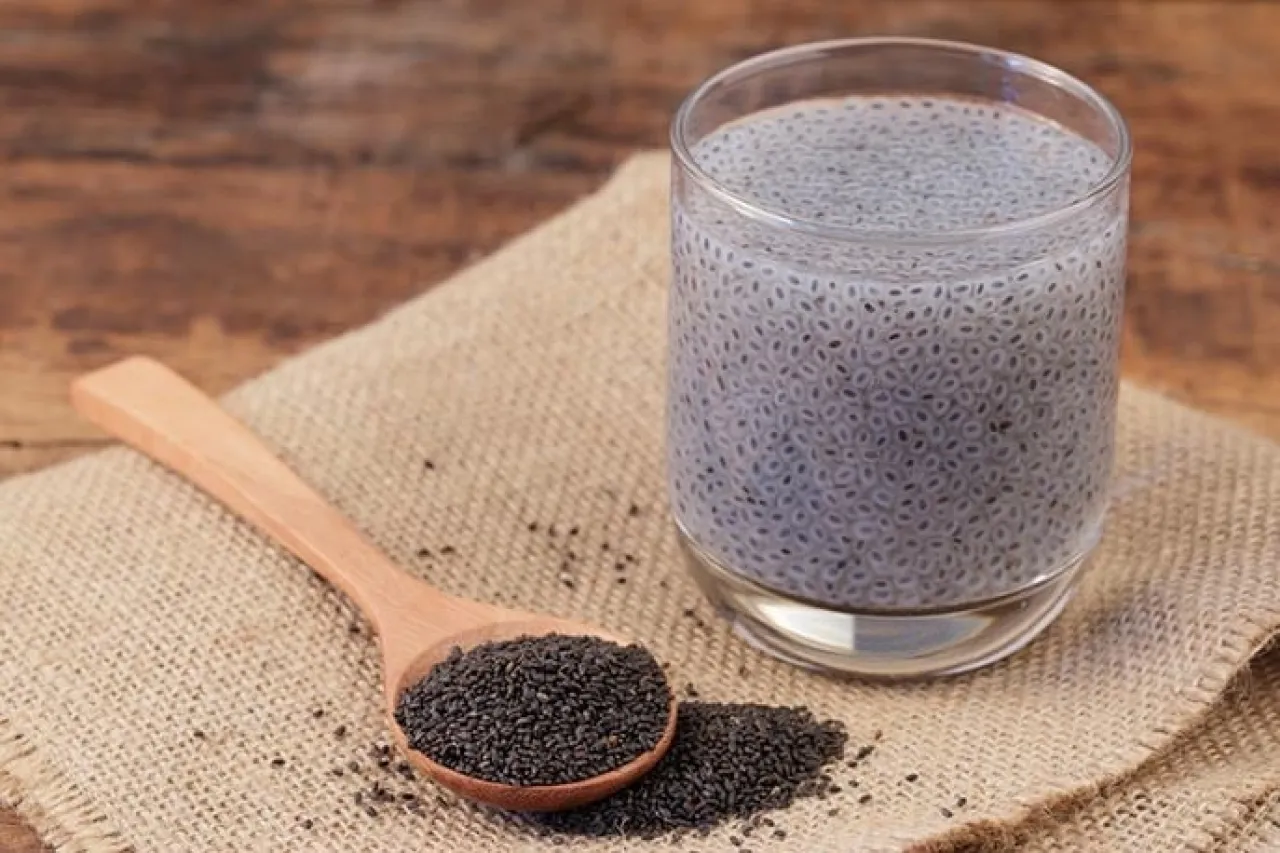
To maximize the benefits of chia seeds and avoid any digestive problems, nutrition experts recommend soaking them before consumption. Chia seeds can absorb a large quantity of water, and their texture becomes gel-like when soaked, making them easier to digest and increasing the feeling of fullness. You can soak ¼ cup of seeds in a cup of water or milk for at least 10 minutes, or overnight, depending on preference.
However, soaking is not necessary to reap the nutritional benefits; they can be eaten dry by adding them to yogurt, cereals, salads, or blended into smoothies, soups, and stews. Nevertheless, it is important to drink plenty of fluids to avoid any bloating in the digestive system, and it is advisable to gradually introduce them into the diet.
Chia seeds are also versatile in cooking and baking; they can be used in muffins, pancakes, bread, or as an egg substitute when mixed with water. Additionally, chia pudding or fruit jams can be easily made to become a daily part of the diet.
In summary, chia seeds are not just a small dietary component, but a comprehensive nutritional power that enhances heart and digestive health, making them an ideal addition to any healthy and balanced diet.