Khaberni - As the pace of modern life accelerates, a nutritionist specialized in cancer diseases has issued a warning, backed by scientific evidence from the Cancer Research Foundation in the United Kingdom about two types of foods to prevent bowel cancer. This time, the caution wasn't just casual advice but a “absolute order” to avoid two types of foods to prevent bowel cancer.
Processed meats.. the hidden killer behind the flavor
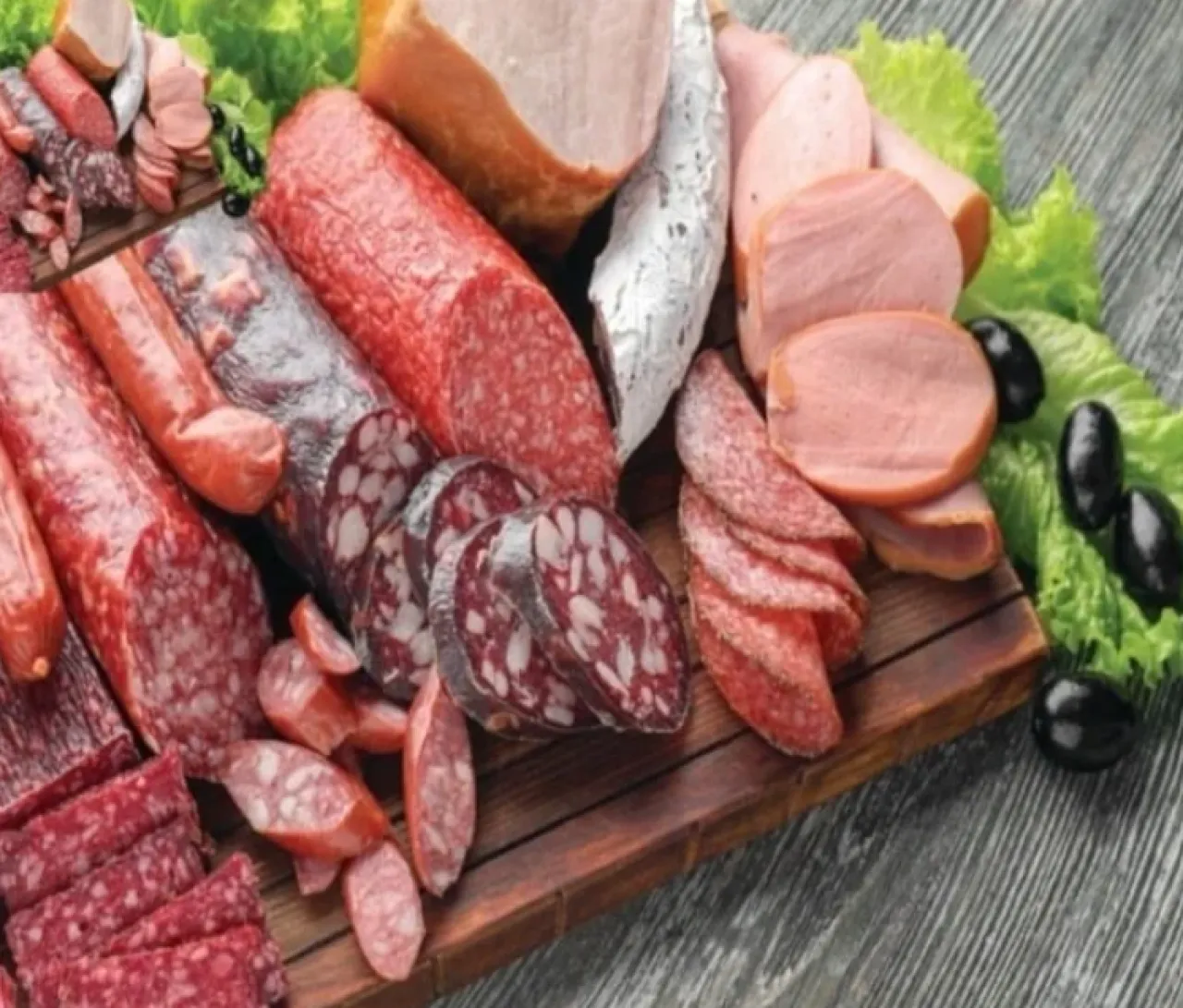
Nutritionist Nicole emphasized in her report, conveyed by Mirror, that processed meats are at the top of the list of culprits causing colon cancer. She explained that any meat that has undergone salting, smoking, drying, or added chemical preservatives like "nitrates" and "nitrites," turns from a protein source into a life-threatening risk, including bacon, sausages, ham, chorizo, corned beef, salami, and pepperoni.
The "fresh cut" trick
The specialist warned about the "fresh cut" gimmick in stores, explaining that buying meat slices from behind the counter does not remove the "processed" label. She affirmed that the real standard for safety is "raw meat," which spoils quickly if not cooked immediately.
Red meats.. between probability and certainty
While science classifies processed meats as a "direct" cause of cancer (similar to smoking), red meats (beef, lamb, and goat) are considered as a "probable cause." Cancer Research UK mentioned that the risk is related to the quantity, the more consumption, the higher the chances of contracting the disease.
On the other hand, the foundation presented safe alternatives that have not shown a link to the disease, which are white meats like chicken and turkey, and fish in all forms (fresh, canned, or frozen).
The studies didn’t just link excessive consumption to the disease but confirmed that even consuming "small" amounts of processed meats regularly increases the likelihood of affliction.
The charitable foundation concluded its report with a reassurance message conditioned that "abstaining from these foods does not guarantee disease prevention, but it significantly reduces the risk factors, just as quitting smoking does." Prevention today starts from choosing what we put in our shopping baskets, not just what we put on our plates.