Khaberni - In a remarkable scientific discovery, researchers have found that a natural protein in the body may play a dual role in repairing the gut damaged by chronic stress and depression, and simultaneously alleviating depression symptoms, thereby enhancing the growing understanding of the complex relationship between the gut and the brain.
The study, conducted by a team from Victoria University in Canada and published in the journal Chronic Stress, suggests that a protein known as "Reelin" could be crucial in this relationship, especially for individuals suffering from chronic stress or severe depression.
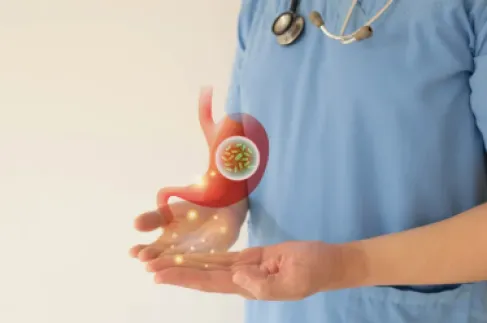
Normally, the gut lining functions as a smart barrier that allows nutrients to pass into the blood and prevents the leakage of bacteria and toxins. According to researchers, chronic stress can weaken this barrier, leading to a condition known as "gut leakage."
When this occurs, harmful substances seep into the bloodstream, triggering an immune response and initiating inflammation. Increasing research indicates that this inflammation can exacerbate depression symptoms and negatively affect mental health.
Professor Hector Caruncho, a professor of medical sciences at Victoria University in Canada and supervisor of the study, explained that his team observed reduced levels of the protein "Reelin" in the guts of models exposed to chronic stress.
"Reelin" is a protein found in several parts of the body, including the brain, gut, liver, and blood, and is known for its role in brain health and regulating the functions of neuronal cells.
The surprise was that a single injection of this protein restored its levels in the gut to the normal state and reduced cell damage, according to the study's results.
The role of "Reelin" extends beyond the digestive system. Previous studies have shown that individuals with severe depression have lower levels of this protein in the brain. The same was observed in animals subjected to long-term stress.
According to researchers, administering "Reelin" in laboratory trials led to effects similar to antidepressants, suggesting the possibility of targeting depression by improving gut health.
The lead researcher, Ciara Halvorson, explained that "the results indicate that this protein may be particularly important for people who suffer from depression alongside digestive disorders."
Why is the gut important for mental health?
The gut lining is known for its rapid regeneration, with its cells being replaced every four to five days. This rapid renewal is essential for protecting it from ongoing damage.
Researchers believe that the protein "Reelin" supports this process, which reduces "gut leakage" and limits the inflammation that can negatively affect the brain and mental state.
Despite the promising results, scientists emphasize that the matter is still in its early research stages, and clinical studies on humans are needed before any treatment based on this protein can be adopted. However, the discovery reinforces a growing idea in modern medicine that treating depression may not start from the brain alone but also from the gut.