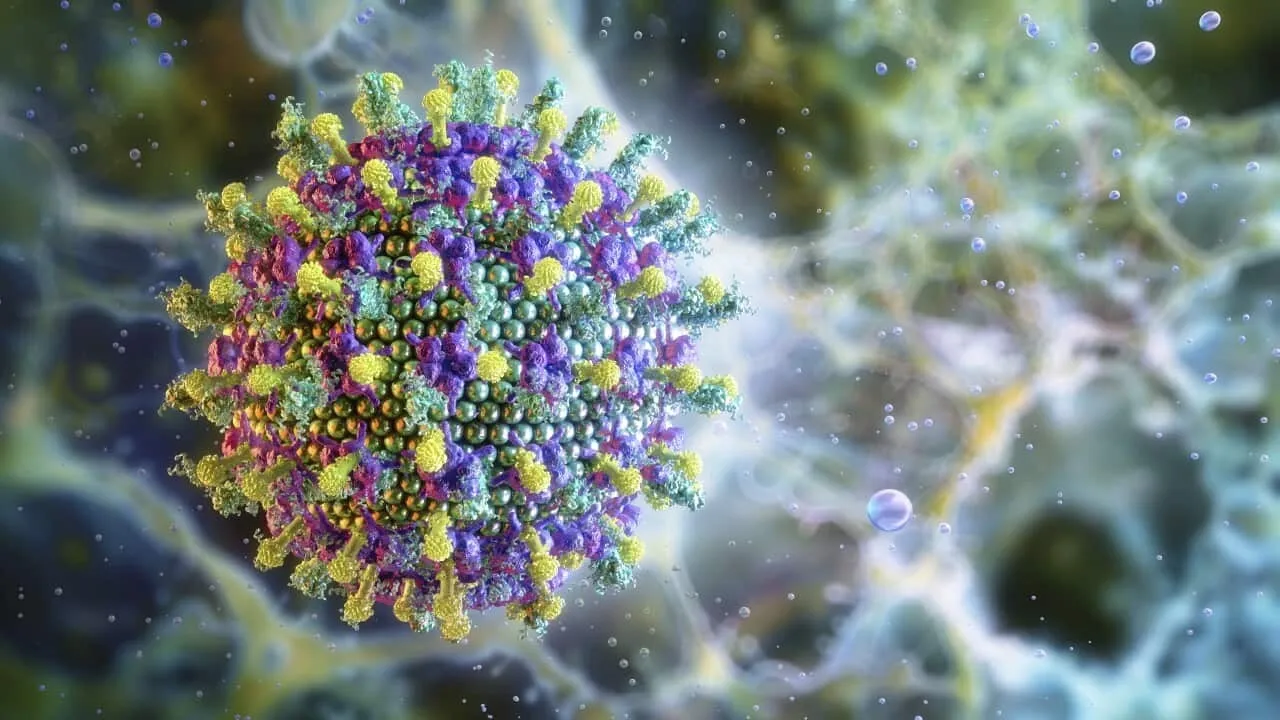
Khaberni - Today's newsletter from the Institute of Family Health Care (a King Hussein Foundation institute) discusses the Nipah virus, an animal-origin virus belonging to the Henipaviral family, recognized as one of the deadliest emerging viruses globally due to its high mortality rates and the absence of any approved human treatment or vaccine so far.
The newsletter provides the reader with a detailed scientific account of the source of this virus and its transmission methods. It explains the incubation period, clinical symptoms, how dangerous the virus is, and mortality rates, in addition to steps for diagnosing, treatment methods, care, and prevention measures.
The virus was first discovered in the late 1990s in Malaysia during an outbreak among pig farmers, then it spread to humans, leading to a wave of infections. Since then, cases have been reported in Southeast Asian countries like Bangladesh and India.
The World Health Organization classifies the Nipah virus as a top priority disease due to its potential to cause serious local epidemics, and has included it in the “WHO R&D Blueprint” list of diseases that require new diagnostic and treatment tools.
** Source and Transmission
The Nipah virus naturally resides in fruit bats (Pteropus), which carry the virus without showing any symptoms of the disease.
The virus can be transmitted from animals to humans through:
- Direct contact with body fluids from an infected animal such as blood, urine, or bat saliva.
- Direct human-to-human contact particularly in cases of close contact or when caring for patients without adequate protective measures.
** Incubation Period
The period from exposure to symptom onset usually ranges from 4 to 14 days, but some cases have reached an incubation period of up to 45 days.
** Clinical Symptoms
Infection with the Nipah virus can cause a wide range of symptoms that generally progress in two main stages:
1 - Primary Symptoms
These resemble many viral diseases and include:
- Fever.
- Headache.
- Muscle pain.
- Cough and sore throat.
- Difficulty breathing.
- Vomiting.
These symptoms represent the first stage of the disease and may last for several days.
2 - Acute Neurological Complications
In a later stage, the disease can progress to severe inflammation of the brain (Encephalitis), which can cause:
- Dizziness, drowsiness, or confusion.
- Change in level of consciousness.
- Seizures.
- Coma in severe cases within 24–48 hours.
- Acute encephalitis is one of the most critical complications associated with a high increase in mortality rates.
** Mortality Rates and Severity
Studies and medical reports indicate that the mortality rate for patients infected with the Nipah virus generally ranges between 40% and 75%, and this percentage may vary depending on where outbreaks occur and the availability of advanced healthcare and the speed of response.
Due to this point, Nipah represents a serious public health threat despite its lower potential for widespread continuous spread among populations compared to other epidemic diseases like the coronavirus, which means that greater risk emerges when there is direct or close contact with infected cases or with the animal hosts of the virus.
** Diagnosis
Medical diagnosis relies on specialized laboratory tests, which include:
- Polymerase chain reaction (PCR) tests on samples of body fluids such as blood or respiratory system fluids.
- Antibody tests like ELISA to detect virus-specific antibodies in the blood.
Early diagnosis significantly aids in improving treatment follow-up and reducing the spread of the disease within the community or in hospitals.
** Treatment and Medical Care
To date, there is no specific treatment or approved vaccine for human or animal use for the Nipah virus.
** Supportive Care
Treatment is limited to what is known as supportive care, which includes:
- Oxygen therapy as needed.
- Controlling fever and seizures.
- Maintaining body fluid balance.
** Prevention and Control
Given the absence of a vaccine and treatment, prevention remains the cornerstone in combating the Nipah virus, and includes the following measures:
1 - Awareness and minimizing animal exposure
- Avoid consuming foods contaminated with bat fluids such as raw date palm juice or fruits showing signs of bat bites.
- Keep foods away from areas where bats are present and wash fruit well before consumption.
- Wear personal protective equipment when handling animals or animal fluids in infected areas.
2 - Isolate suspected patients from others.
- Adhere to infection control measures such as handwashing and using gloves and masks when dealing with patients.
- Track contacts and monitor them for the appropriate period (4–45 days) to detect any early signs of the disease.