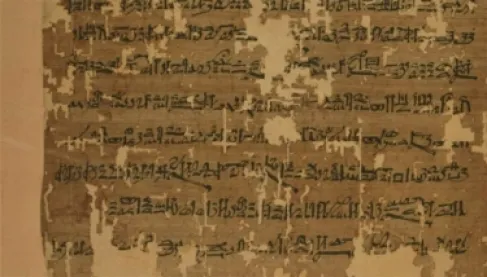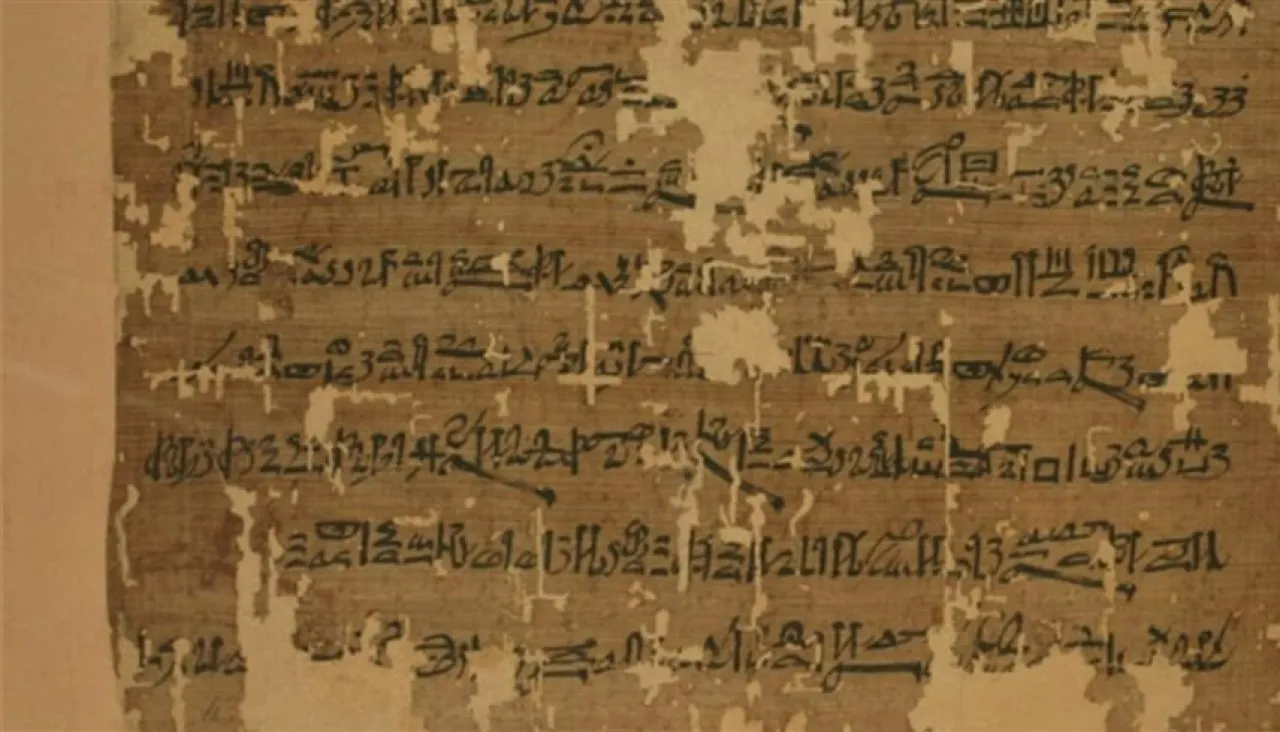
Khaberni - A mysterious Egyptian manuscript, settled in the corridors of the British Museum since the nineteenth century, once again tops the scientific scene. The manuscript did more than recount history, but reopened "Pandora's box" on one of the most controversial mysteries: Is there an existence of giants mentioned in ancient religious texts, or is it just a myth?
The document known as "Anastasi I", which is likely dated back to the 13th century BC, has returned to the limelight after sparking interest among Western religious research bodies, which see in it potential support for the Biblical narratives about giant beings mentioned in the Old Testament, according to "New York Post".
Some modern readings link these narratives with texts found in the "Anastasi I" manuscript, describing encounters with a people known as the Shasu.
The letter, attributed to an Egyptian scribe, notes that the mountain passes were "infested with Shasu hiding under the bushes", adding that some of them "were four or five cubits in height from head to foot", which is roughly eight feet by modern measurements.
Caution
Despite this striking parallel between the texts, most historians and archaeologists remain cautious, as to this day, there is no physical evidence or reliable archaeological findings proving the existence of giant humans in ancient civilizations, and many believe that these descriptions were metaphorical or literary exaggerations reflecting the fear of warring or unknown peoples.
However, the debate is not limited to the ancient Near East, as in the United States, specifically in remote areas near Nevada, stories about "giants with red hair and pale skin" have been circulating for decades.
Some narratives are based on unconfirmed reports of finding skeletons ranging from 7 to 8 feet tall, despite the scientific institutions' skepticism about their authenticity.