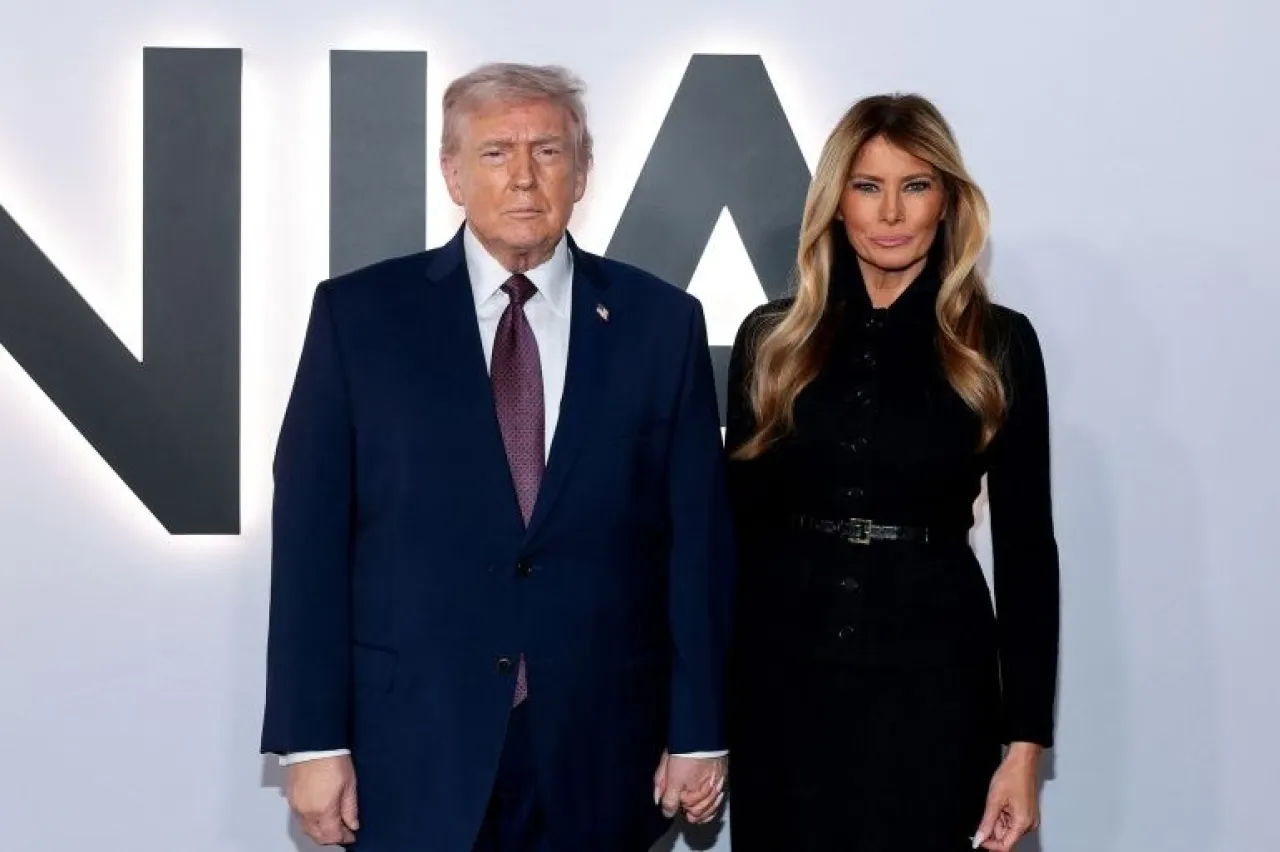
The documentary "Melania" almost collects all the reasons for bad luck that a film could encounter, despite its cost of 75 million US dollars, it did not succeed in utilizing a good production team, nor did it succeed in using a marketing or distribution team to set a less inauspicious release date than the one during which it was shown.
The film's premiere was held in a sophisticated setting, received mild applause and sporadic discussion, and it seemed that the restraint that characterized the film affected the viewers, while Minnesota was ablaze with protests against the involvement of immigration elements in a fatal shooting.
The film was cool to the extent of coldness, while the political reality was hot to the point of ignition. These circumstantial paradoxes were merely a simple introduction to mountains of artistic misjudgment.
The film "Melania" is a clear example of the crisis faced by the political documentary industry, especially when its makers rely on laziness, and prefer the zone of "narrative comfort" over research and investigation, especially when dealing with the biography of a controversial public figure.
However, it is difficult to pinpoint a single reason for the film's failure, although it has not achieved revenues - so far - that suggest a possibility of recouping its cost, which totaled 75 million US dollars. It has not received good ratings either on specialized film criticism sites or in audience comments. The film "Melania" could not justify its existence from the start.
From its initial screenings, the work faced reserved and often skeptical critical reactions. The reviews didn’t accuse the film of factual errors or technical deficiencies, but pointed to something more important: the absence of an editorial vision.
Critics described the film as observational without being investigative, intimate without being revealing, and touching politics without taking a stance, and the irony is that it belongs to a cinematic genre distinguished by confrontation, revelation, and discussion.
A Film Documenting Presence
Leading critics voiced their objections to what the film did not deliver, and reviews in media outlets like "Hollywood Reporter," "Variety," and "The Guardian" asserted that the documentary avoided delving into pressing issues related to authority, collusion, and silence, which are necessarily surrounding Melania Trump’s role in public life.
The film chose a narrow personal perspective, focusing on routine, privacy, and selectively remembered memories, instead of engaging with her position within one of the most controversial political administrations in recent US history.
Many critics noted that the documentary seemed more concerned with conveying information than providing deeper insights. The camera observes but rarely challenges. Interviews are conducted uninterrupted, and statements left without context. This approach led critics to describe the film as more akin to an attempt at shaping the contours of an image rather than an investigative documentary. One prominent critic succinctly summarized the problem: the film "documents presence, not authority."
This perception proved its significant harm, as political documentaries are subject to different expectations than those relating to celebrities' lives or lifestyles.
Audience and critics alike expect a disparity between the main character and the filmmaker, between the image and reality, and between the narrative and the context. By rejecting this disparity, the film put itself in an awkward position between two cinematic types, fulfilling neither political inquiry nor personal revelation.
Timing and the Problem of Context
Perhaps the most damaging factor was timing. The special showing and public release of the documentary coincided with a period of acute political and security tension in the United States. The ongoing investigations, escalating election rhetoric, and public anxiety about the stability of democracy formed the backdrop against which the film was launched.
In this context, the documentary's dignified, polished, and largely isolated tone appeared detached from the general mood. Reports from the special screening described an event characterized by elegance and serenity, focusing on artistic achievement rather than urgency or confrontation. While this atmosphere might suit a cultural event, it starkly contrasts with the gravity of the current political moment.
This discord crystallized the film's fundamental weakness: it seemed to exist outside the reality it claimed to document. The documentary did not acknowledge the fluctuations surrounding its subject, nor did it address the ethical implications of telling such a story at such a time. The film was not just cautious but also seemed out of place temporally.
Political documentaries succeed because they embody urgency, a sense of necessity to tell the story now, and that telling it carries consequences. The Melania Trump documentary did not embody either of these aspects. Its deliberate pace and selective focus suggested a film made to be displayed quietly rather than intervene actively.
This approach might have succeeded in different circumstances, or with a less symbolic subject. But in the current political climate, restraint reads differently. Silence is not neutral, it interprets.
The documentary's unwillingness to place Melania Trump within the broader structures of power she was part of is the main reason the film could not justify its existence.
A $75 Million Lesson
The failure of the documentary reflects a broader tension in the contemporary documentary filmmaking industry. As access to personalites becomes increasingly difficult and their media awareness grows, filmmakers face pressures to tone down their style. Political documentaries abandon confrontation, risking a loss of relevance.
The film "Melania" failed not because of technical malfunction or deliberate misinformation, but because it underestimated its audience's expectations, and overestimated the value of "narrative safety" in a genre characterized by "risk."
By opting for narrative caution over investigation, the film revealed the limits of political documentary storytelling when detached from context, conflict, and consequences, more than it revealed about the character of its subject.
The reception of the film is not so much a judgment on Melania Trump as it is on the documentary tradition struggling to redefine its purpose in an era that demands clarity, courage, and accountability.