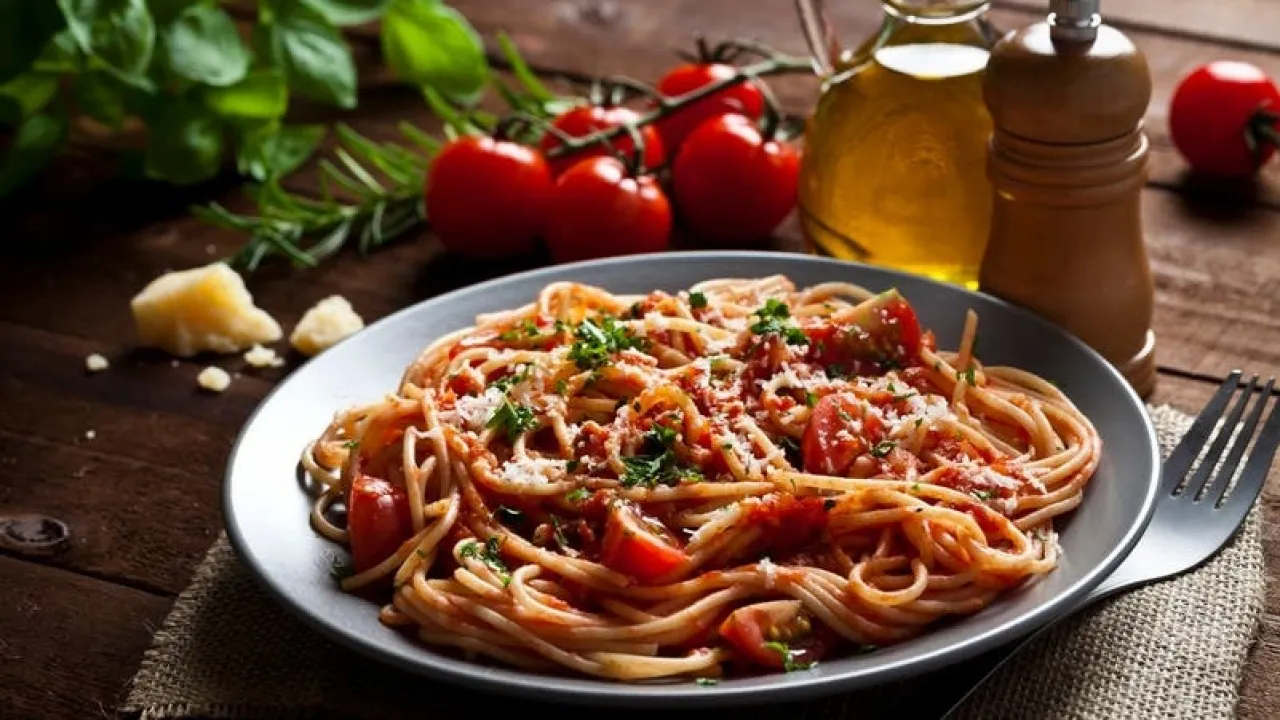
Khaberni - Pasta is a food rich in carbohydrates, the most impactful nutrient on blood sugar levels. However, eating it doesn't necessarily mean losing control of your sugar levels, provided a set of health guidelines are followed.
Portion size is the first and most crucial step. Naturally, excessive pasta intake leads to an increase in glucose levels. Nutrition specialists recommend sticking to a moderate serving as part of a complete meal, rather than as the sole main dish.
Research indicates that cooking pasta until it is "al dente" - meaning it retains some firmness - helps slow down the digestion process, thus reducing a rapid spike in blood sugar. Conversely, pasta cooked for a longer period results in a higher glycemic response due to the faster breakdown of starches.
Contrary to popular belief, natural tomato sauce is not a main cause for increased blood sugar as it contains a low amount of carbohydrates, in addition to beneficial plant compounds. However, the issue lies in some ready-made sauces containing added sugars, which increase the carbohydrate load of the meal.
Incorporating pasta with protein sources such as chicken, fish, legumes, or tofu, along with fiber-rich vegetables, is a crucial step for diabetics. These elements slow down glucose absorption, helping to stabilize blood sugar levels after a meal.
Choices are fundamental
Not all types of pasta have the same effect on blood sugar. Pasta made from whole grains or legumes contains more fiber and protein, which moderates the glycemic response compared to refined white pasta.
Studies suggest that certain daily habits can make a difference, like eating vegetables or protein before the pasta, taking a light walk after the meal, and ensuring overall meal balance instead of focusing on one item alone.
Nutrition experts affirm that pasta isn't a forbidden food for diabetics; it can be included in a balanced diet, provided there is control over the portion size, selection of healthy ingredients, and monitoring individual blood sugar response.