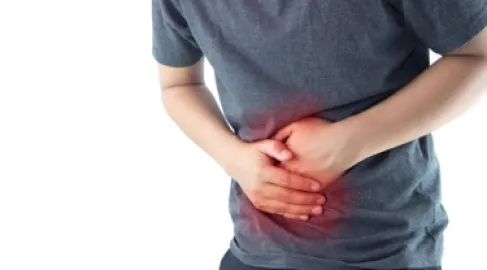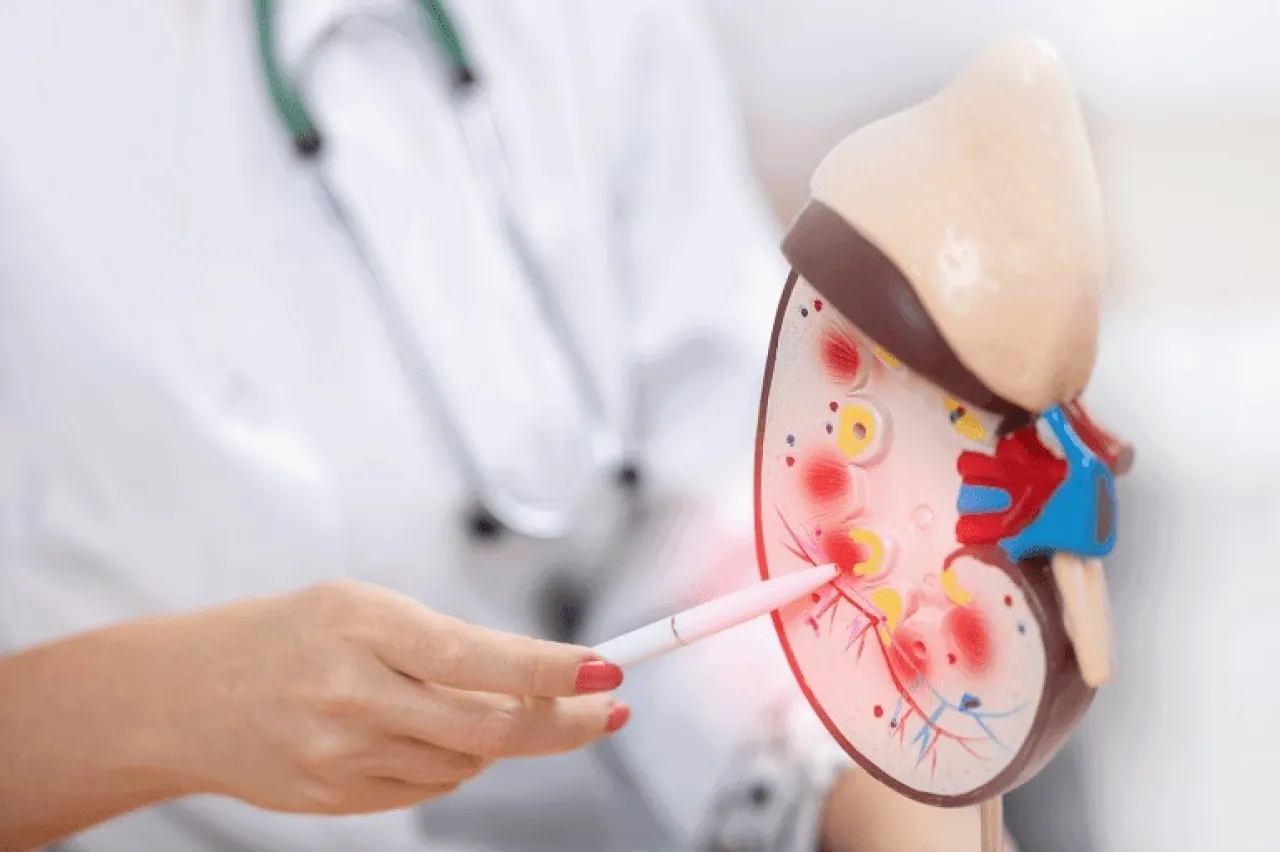
Khaberni - Although they may silently form inside the kidneys for years, kidney stones are one of the most painful causes of sudden pain and can evolve from a latent condition to a severe health crisis threatening the integrity of the urinary system.
In this context, the German Urological Association has warned of the risks of these solid deposits, noting that ignoring them or delaying their treatment may lead to serious complications, including recurrent infections and kidney damage.
The association sheds light on the common causes of stone formation, the most prominent warning symptoms, as well as the latest available treatment options depending on the size and location of the stone.
What are the causes of kidney stones formation?
The association explained that stone formation is associated with several factors, primarily:
• Insufficient fluid intake, as concentrated urine facilitates the formation of mineral crystals inside the kidneys.
• Unhealthy dietary habits, such as excessive consumption of salt or animal protein or foods high in oxalates, contribute to the increased risk.
• Metabolic disorders, such as elevated levels of calcium or uric acid or oxalates, are common causes, in addition to urinary tract infections, especially those associated with Struvite infection stones.
• Low physical activity, such as staying in bed for long periods.
• Chronic illnesses like gout and hyperparathyroidism, and inflammatory bowel diseases, along with the use of certain medications such as diuretics, calcium supplements, and some epilepsy drugs.
• Genetic predisposition plays a role in increasing the likelihood of incidence.
Symptoms
Kidney stones usually cause no discomfort as long as they remain in the kidney, but once they move to the ureter, they cause the following symptoms:
• Sudden pain in the form of colic in the back, flank, or lower abdomen (renal colic).
• Pain spreading to the groin area, the genitals, or the thigh.
• Nausea and vomiting, which often accompany the pain episode.
• Presence of blood in the urine, visible or microscopic.
• Frequent urination or pain during urination if the stone is in the lower part of the ureter.
• Fever and chills with a urinary tract infection (medical emergency).
Without appropriate treatment, kidney stones may lead to recurrent episodes of renal colic, chronic pain, and recurrent urinary tract infections, and in severe cases, may cause permanent kidney damage.
How is it treated?
The German Urological Association clarified that the treatment plan depends on the size of the stone, its location, and the severity of the symptoms, explaining that many small stones can spontaneously pass with the urine, while larger or stuck stones require medical intervention.
Conservative treatment for small stones:
• Increase fluid intake to at least 2 to 3 liters per day.
• Engage in physical activity to facilitate the passage of the stone.
• Use pain relievers such as Ibuprofen or Diclofenac,
• Use antispasmodics to relax the ureter.
• In some cases, special medications can be used to dissolve the stones, such as using alkaline agents like potassium citrate for uric acid stones.
Removal of stones (for large or embedded stones):
• Breaking stones with extracorporeal shock wave lithotripsy, a procedure generally performed without surgery.
• Ureteroscopy for stone removal or fragmentation through the urethra.
• In cases of very large stones, doctors might resort to percutaneous nephrolithotomy through a small incision in the kidney.
• Surgical removal is seldom necessary, for example, in cases of anatomic stones or very large stones.