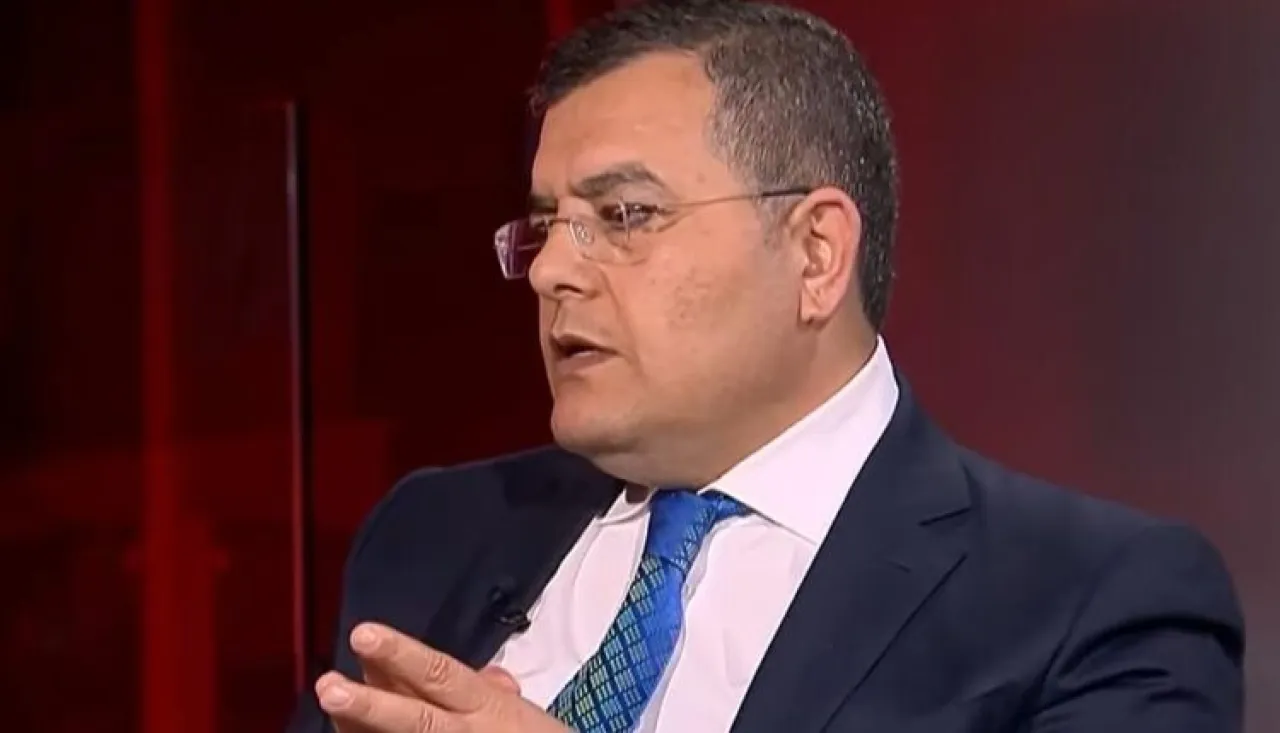
Dr. Hamzeh Al-Akkalik
In June 2021, the Central Bank of Jordan was not just receiving a new supervisory file; it was inheriting a legacy burdened with challenges and a sector suffering from organizational slack. Today, less than four years later, the Jordanian insurance market has witnessed a rebirth, built on solid foundations of sound governance and transparency. This dramatic transformation was not just an administrative change, but a true revolution that redefined the entire philosophy of insurance service, transitioning the company from a potential adversary to a proactive partner in protection. It is a story of strategic reform led by a wise regulatory grip, supported by an ambitious legislative package aimed at making the Jordanian sector a regional model to emulate.
The transfer of supervision to the Central Bank was not just a change of name, but signaled a new regulatory era. The Insurance Operations Regulation Law No. (12) of 2021 transferred regulatory powers fully to the Central Bank, shifting the goal of supervision from mere formal monitoring to ensuring financial stability and enhancing corporate governance. The legislator realized that the sector's previous crisis was, at its core, a governance crisis. Therefore, the law focused on new core concepts, such as separating management from ownership and defining the main shareholder and significant interest, to prevent conflicts of interest that were depleting the funds of the insured.
The legislative generosity did not stop there; in 2024, the Guarantee Fund System for the Insured and Beneficiaries (No. 53 of 2024) was issued, forming a final social and economic safety net protecting the rights of those affected in case a company fails to meet its obligations. The same year saw the issuance of new regulations for mandatory vehicle insurance, and a revised system for the Jordanian Federation of Insurance Companies to enhance its supervisory and self-regulatory role of the sector. This comprehensive package transformed the legislative environment from a loose framework into an integrated system that protects all parties involved in the insurance process.
The stereotypical image of an insurance company has always been a bureaucratic entity that places obstacles in front of the customer and handles claims slowly and skeptically. Today, under the new supervisory instructions such as the Professional Practice Instructions, the tables have turned. The affected party no longer chases the company; rather, the company initiates direct contact with them immediately upon notification of the incident. This shift from a culture of evasion to a culture of responsibility is the essence of the white revolution in service.
To ensure the success of this transformation, the Central Bank did not rely solely on supervisory decisions but also sought to build capacities. In January 2022, the Jordan Federation of Insurance Companies, in coordination with the Central Bank, organized a program aimed at equipping staff to smoothly handle the new governance requirements, preparing for the official application of the Insurance Companies' Governance Instructions. This effort confirms that the reform was comprehensive and systematic, affecting both the regulatory structures and the institutional culture together.
The Central Bank faced a significant challenge when it took over the sector: How could it liquidate struggling companies that threatened the sector's stability, without causing a shock that harms the insured and undermines confidence? The response was strategic and wise, reflecting a deep understanding of the institution's role as a guardian of overall financial stability.
Between 2021 and 2022, the number of active insurance companies in the market decreased from 23 to 21, a decrease indicative of a natural liquidation process and stringent auditing. Companies showing financial weakness are given a period to rectify their status, but this grace period is not a blank check. It typically accompanies strict restrictive measures, such as banning the company from entering into new contracts and appointing temporary administrative committees directly supervised by the central monitoring. If the company fails to respond, compulsory liquidation decision comes as a last resort to protect public funds.
This escalating approach aligns with the best international practices of global insurance monitoring associations, ensuring that no financial contagion spreads to the banking sector intertwined with insurance companies. It’s a delicate balance between purging the market of weak elements and ensuring the continuity of service and protection of the rights of thousands of policyholders.
Despite the challenges, the sector's indicators began to show tangible improvement and inherent strength. In 2022, the total underwritten premiums in the Jordanian market reached JOD 701.7 million, recording a growth of 9.6% from the previous year. More importantly than the volume of premiums is the improvement in technical quality, where the technical profits (within Jordan) jumped from JOD 18.3 million in 2021 to JOD 22.8 million in 2022. The insurance sector's contribution to the gross domestic product also rose to 2.5% in 2022.
These positive indicators would not have been achieved without the clear and transparent regulatory environment created by the Central Bank. It gives confidence to both local and foreign investors, where the law allows foreign ownership of up to 100% in insurance companies. Also, the focus on specialized products, such as medical insurance, which accounts for more than a third of the market, opens new growth prospects.
Now that the regulatory framework for companies is complete, the battle moves to a deeper level: governance of the relationship between the company and the client. Here comes the anticipated role of the new insurance contract law, which will replace the limited articles in the current civil law. This law is expected to focus on: consumer protection by setting limits to abusive terms in insurance policies, mandating the use of simple and clear language. It also addresses historical issues such as delays in compensation payment and the client’s right to cancel, and combating fraud by criminalizing fictitious claims and the purchase of damaged vehicles with deterrent penalties.
The Jordanian insurance sector has surpassed the intensive care stage and entered a mature phase of real competition. Through wise governance and enlightened supervision, the Central Bank not only rescued the sector from its dilapidated legacy but also set it on the right path to become a sector capable of attracting global investments and serving the national economy. Today, citizens can trust that the insurance paper in their pocket is a real guarantee, not just promises on paper. The future belongs to those with the strongest technical and most committe...