Khaberni - Splinters are common everyday injuries, often resulting from the embedding of small pieces of wood, glass, metal, plastic, or thorns in the skin and the soft tissue underneath, causing pain that may be severe in some cases.
The outer layer of the skin, known as the epidermis, contains a large number of pain receptors, while the layer immediately beneath it, the dermis, has even more of these receptors, making splinter injuries extremely painful, especially when they penetrate deeper into the skin.
Although removing a splinter is not generally a life-or-death matter, employing the correct method can alleviate pain and reduce the risk of subsequent complications such as inflammation or infection.
The location of the splinter determines its danger
Identifying the location of the splinter is the first step in dealing with it, according to "Science Alert." If the splinter is in the eye or eyelid, medical care should be sought immediately and one should avoid washing or moistening the eye, as this should be done by a specialist using a sterile saline solution in a medically supervised environment.
Splinters stuck under the nails of the hand or foot, known as subungual splinters, often require surgical intervention for removal.
The safe way to remove a splinter
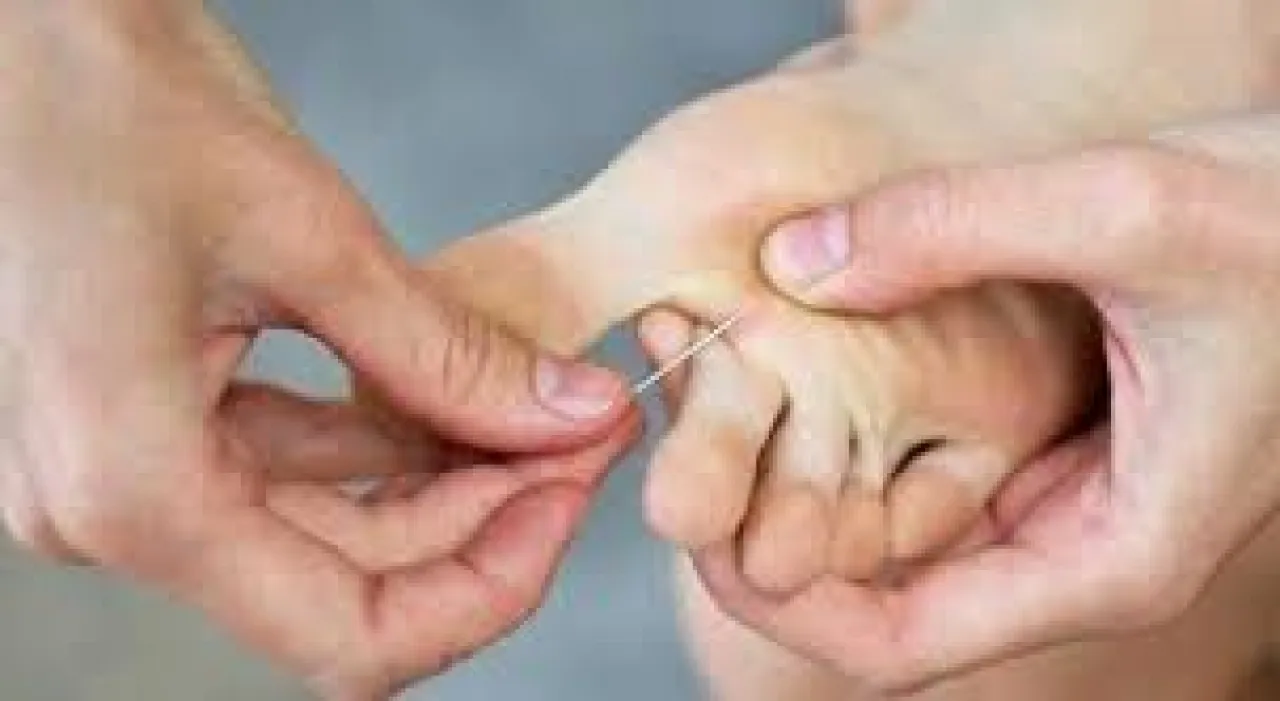
In simple cases where the splinter is clearly visible, using sterilized tweezers is the best way to remove it. If the tip of the splinter is close to the skin surface, a beveled needle can be used to gently lift the top layer of skin without penetrating deeper layers.
Soaking the affected area in warm water may help soften the skin if the splinter is non-wood, while soaking wooden splinters is not advised because it may cause them to swell and make removal more difficult.
Basic steps to avoid infection
The recommended steps include washing hands thoroughly, sterilizing the tools used, removing the splinter following its path of entry, then cleaning the affected area with soap and water or an appropriate disinfectant. If bleeding occurs, it is preferable to cover the wound with a small bandage.
After removal, it is important to monitor the wound over the following days for signs of infection such as redness, swelling, pain, or discharge. Neglecting to treat wound infections can, in some cases, lead to blood poisoning, a serious medical condition that can be life-threatening.