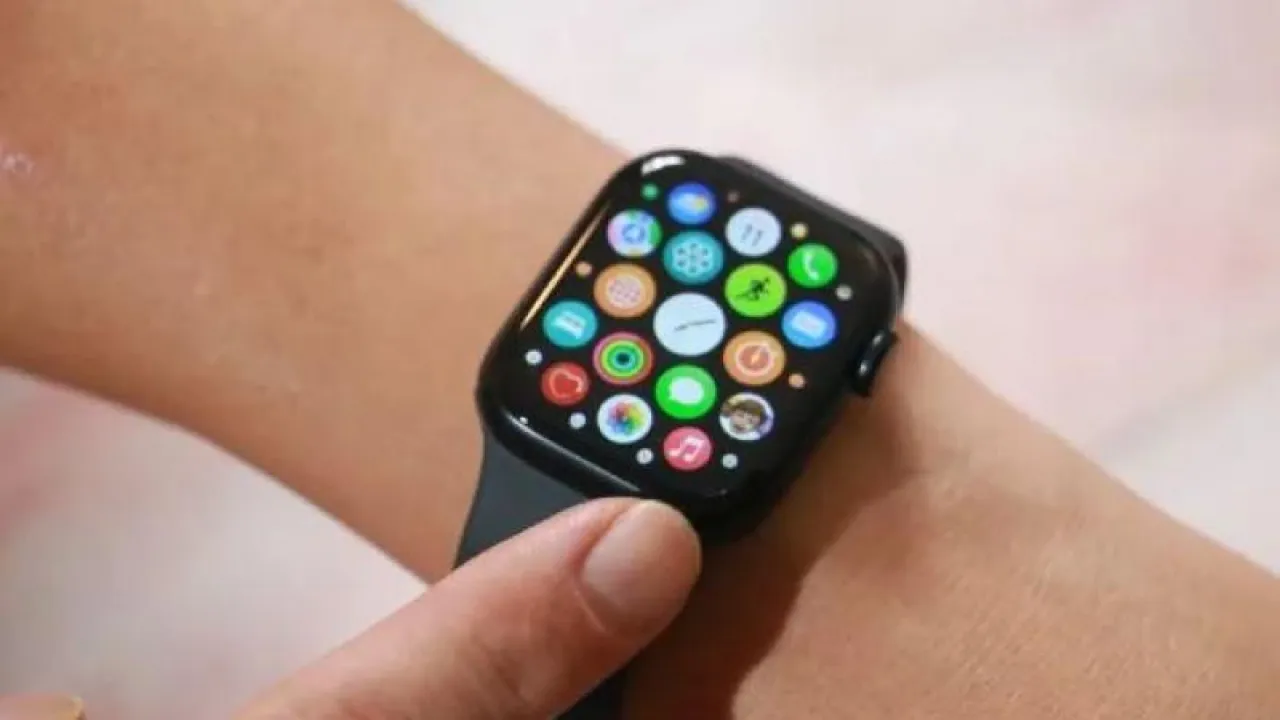
Khaberni - A recent clinical trial revealed the ability of the Apple Watch to make a significant difference in the post-ablation stage of atrial fibrillation, demonstrating the effectiveness of the technology not through changing the surgical procedure, but by radically transforming the accuracy of patient and doctor observations thereafter.
According to researchers, conducting routine and simple electrocardiogram screenings led by the patient contributed to the detection of more cases of recurrent disease and was directly associated with a decrease in unplanned hospital admissions during the follow-up period.
This study was conducted by a specialized research team at St Bartholomew's Hospital in London, and the results were published in the Journal of the American College of Cardiology.
The study focused on how patients who underwent atrial fibrillation ablation—a procedure using heat or cold to destroy heart tissue causing rhythm disturbances—were monitored. It included two groups: One group used the Apple Watch, where patients were equipped with an Apple Watch and instructed to record an ECG daily or whenever they felt symptoms or received a notification from the watch, allowing a medical team to review the results remotely.
And a standard care group that relied on conventional monitoring in clinics at intervals of 3, 6, and 12 months, with ECG monitoring and Holter devices directed by symptoms only.
After a "screening" period of 90 days, the results showed Apple Watch's superiority in detecting cases of atrial fibrillation recurrence earlier, with an average of 116 days compared to 132 days for the conventional group.
By the end of the follow-up period, the watch recorded relapse cases in 52.9% of the patients in the Apple Watch group compared to 34.9% in the control group, primarily due to the watch's ability to detect sporadic sudden attacks which are often missed through occasional clinic ECGs or short Holter monitoring.
Interestingly, despite the watch identifying more abnormalities, the Apple Watch group recorded fewer unplanned hospital admissions, while the rates of repeated ablation remained similar between the two groups.
The study concluded that shifting monitoring to the daily lives of patients using on-demand ECG contributes to improved follow-up quality, reduces unnecessary healthcare escalations, and represents a practical model proving that the Apple Watch is not just a tool for initial detection of atrial fibrillation, but a partner in long-term medical monitoring.