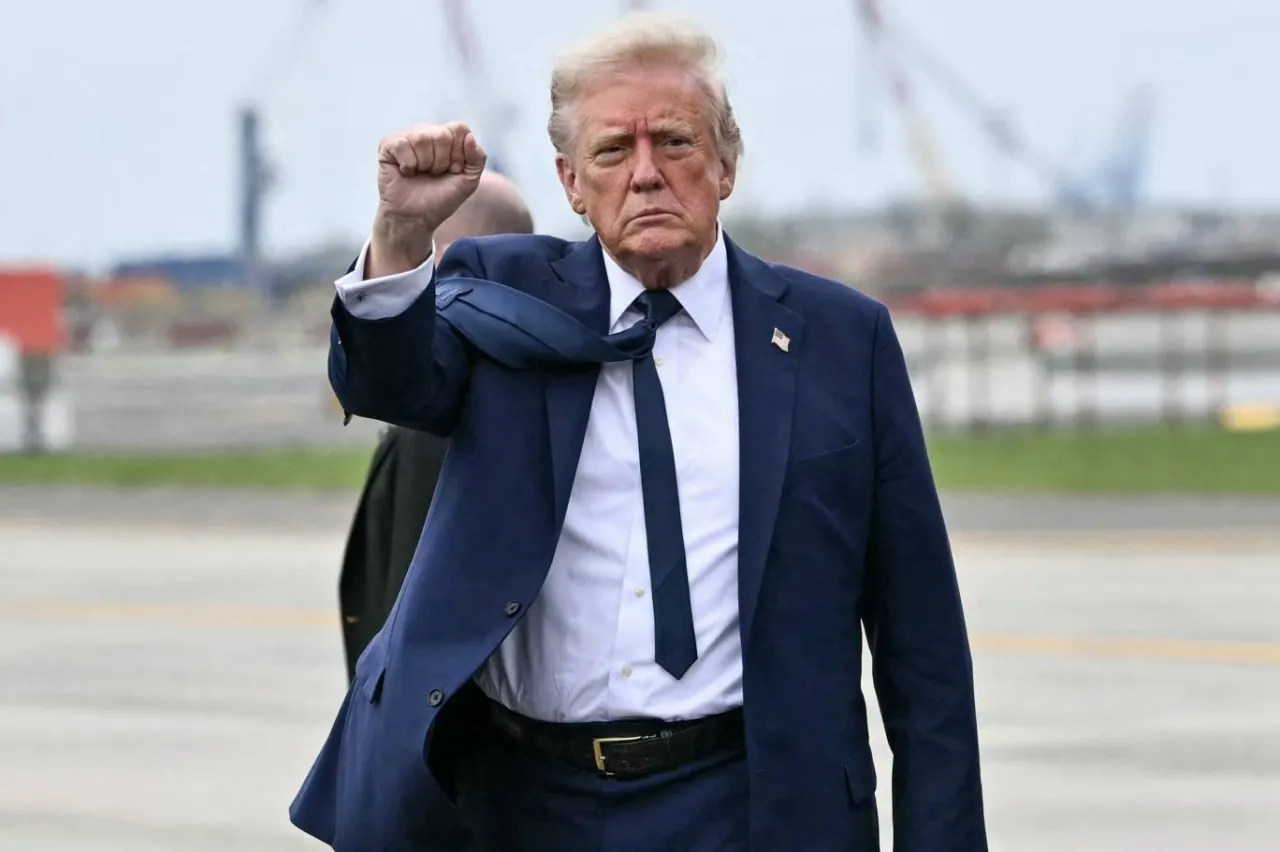
Khaberni - US President Donald Trump intensified his threats against Iran sharply on Wednesday, suggesting that if Tehran does not agree to a set of demands presented by the administration to the country's leaders, he might launch an attack soon "quickly and violently."
Trump's threat to launch a direct second attack on Iran by US forces came eight months after the carrier "Abraham Lincoln," along with other naval ships and bombers and fighter jets, took positions in the region at a close distance to the country.
Trump explicitly compared this military buildup to the forces he mobilized near Venezuela late last year, before the operation that led to the capture of Nicolas Maduro and his wife at midnight in early January.
The US administration's demands, and Trump did not provide specific details about the "deal" he is demanding, merely stating that a "huge fleet" is heading towards Iran and that the country should strike an agreement. Nonetheless, US and European officials say they have posed three demands to the Iranians in the talks: firstly, a permanent cessation of all uranium enrichment activities. Secondly, imposing restrictions on the range and number of their ballistic missiles. Thirdly, ending all support for proxy groups in the Middle East, including Hamas, Hezbollah, and the Houthis in Yemen.
The absence of any mention of protecting the protesters who took to the streets in Iran in December was notable, a situation that shook the country and created the latest crisis for its government. Despite Trump's previous promises via social media to assist them, he has barely mentioned them in recent weeks. Iran claims the death toll was 3,117, but human rights groups assert that this number is much lower than the actual figure, estimating between 3,400 and 6,200 deaths.
Trump seems "encouraged" after his initial success in Venezuela and is clearly using the threat of "decapitating the regime" to terrorize the religious leadership and the Revolutionary Guard. Recent communications have revealed the fragility of the Iranian regime; where Foreign Minister Abbas Araghchi had to seek permission to speak with Steve Witkoff, Trump's special envoy, ending up with a commitment through a "third party" that Iran does not plan any imminent executions, given his prohibition from direct communication with the United States.
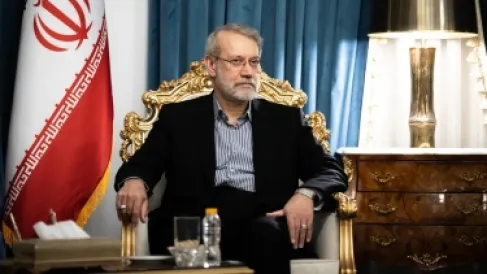
For his part, Araghchi told reporters in Tehran on Wednesday that Iran did not request a meeting with the United States, asserting that "diplomacy cannot be effective through military threats." He warned that any comprehensive confrontation would be "chaotic, fierce and last much longer than the fantasy timelines promoted by Israel."
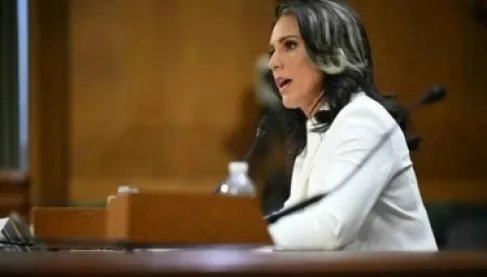
In Washington, Secretary of State Marco Rubio told lawmakers that the military buildup was primarily defensive to protect US forces, but he indicated that the forces could also "act proactively."
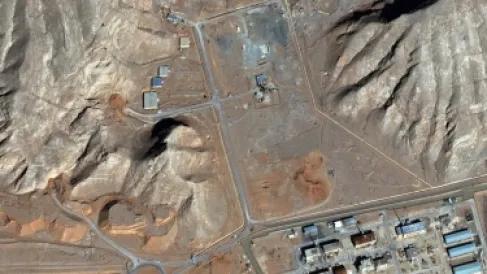
Reports indicate that negotiations have not made progress, with observers noting that Trump's demands would weaken Iran's already eroding power after the 12-day war with Israel in June, which ended with an American air strike on three key nuclear sites (Natanz, Fordo, and Isfahan). While Trump claims that the nuclear program has been "erased," his national security strategy indicates that it has "significantly deteriorated."