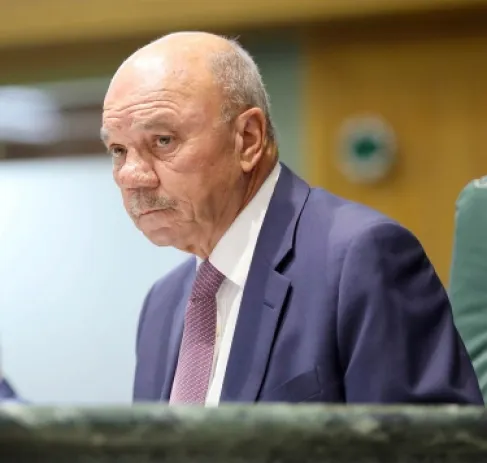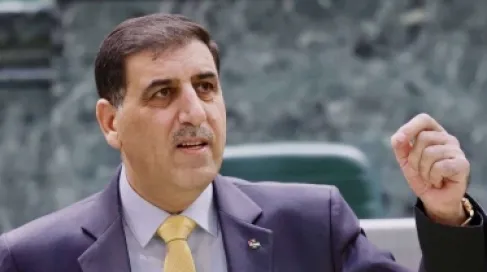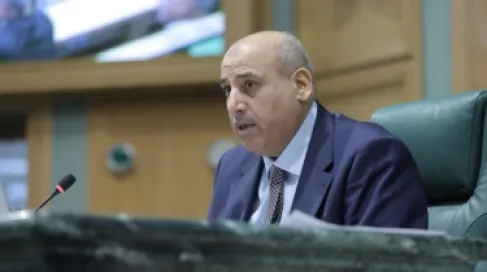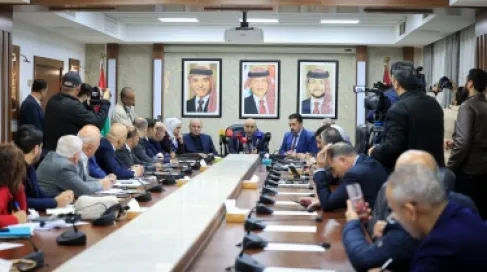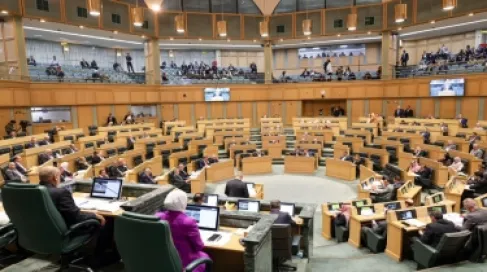
Khaberni - The Parliamentary Energy and Mineral Resources Committee, chaired by MP Dr. Ayman Abu Henia, discussed during a meeting held on Wednesday, the regulation of solar zeroing mechanisms and the requirements for licensing solar energy systems, in the presence of the head of the Energy and Minerals Regulatory Commission, Ziad Al-Saaydeh.
Abu Henia stated that the committee discussed the issue of zeroing electricity meters for users of solar energy systems, in light of complaints and objections from the citizens, explaining that the decision is regulatory and has direct economic and technical impacts on the users, especially as the move towards solar energy was aimed at reducing financial burdens while maintaining the efficiency of the electrical network and its stability.
He pointed out the issue of non-compliance by some electric car charging stations, especially in the northern regions of the kingdom, with the official tariff, appreciating at the same time the regulatory and supervisory procedures taken by the Energy and Minerals Regulatory Commission to maintain fair competition.
He also touched upon the questions and observations related to the mechanisms for recycling balances in the operation of the system, resulting in a state of confusion among subscribers, calling for a revision of the instructions regulating the management of the electricity system in some areas, ensuring participatory and clear decisions that consider social and economic dimensions.
The MPs, Jamal Qamoh, Wissam Al-Rabihat, Khader Bani Khalid, Naseem Al-Abadi, and Rakan Abu Henia, demanded a review of the meter zeroing mechanisms, the organization of surplus calculation, addressing the non-compliance of some companies with the guidance manual, in addition to revisiting the electricity tariff for some classes of solar energy subscribers, and finding practical solutions to reduce the cost of electricity bills felt by the citizens.
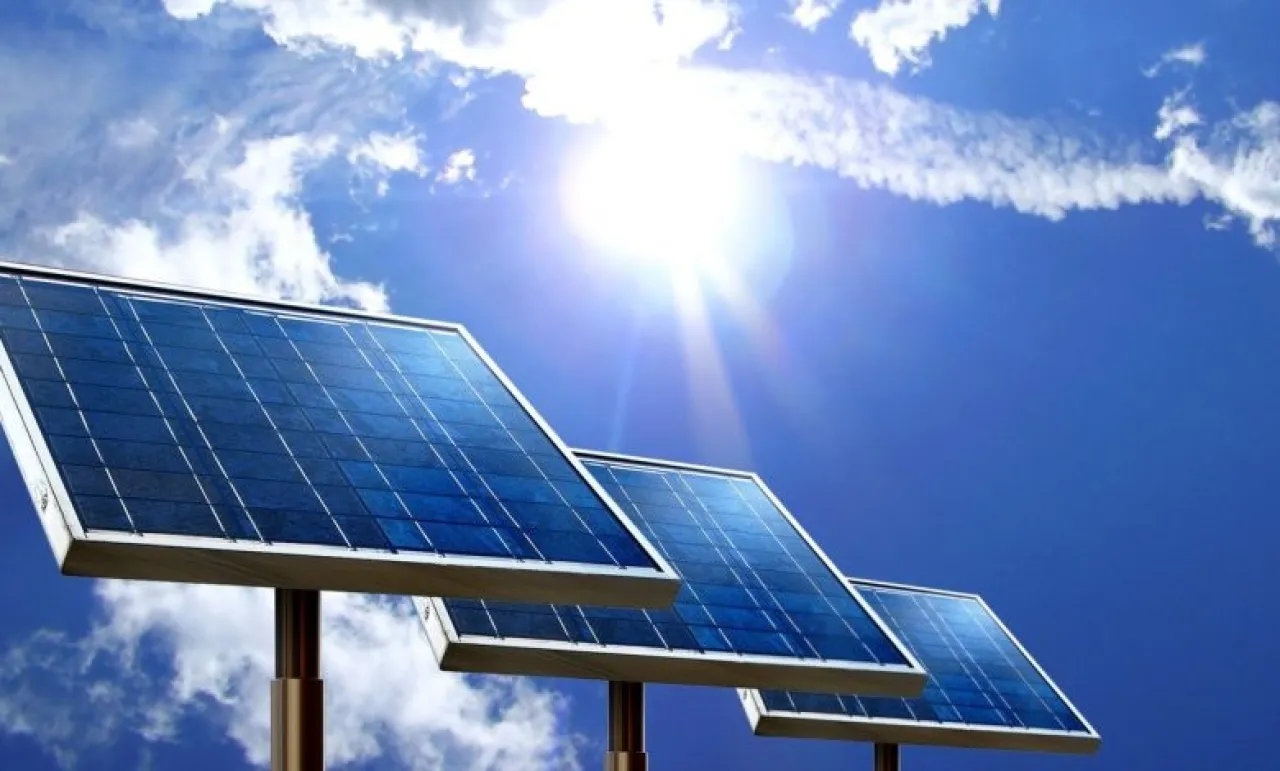
The committee also called for revising the instructions regulating the use of solar energy, especially for schools and health centers, by adopting a zero-export system instead of full sale of energy, and addressing the unfair pricing resulting from selling electricity at a low price and buying it at a higher price, contributing to reducing operational costs.
The committee emphasized the necessity to study the delivery of electricity meters to homes facing regulatory obstacles from the Ministry of Local Administration and Municipalities and the Greater Amman Municipality, and to benefit from digital transformation to address the issue of mandatory registration of meters in the name of the property user, whether owner or tenant.
For his part, Al-Saaydeh clarified that subscribers to solar energy systems before June 1, 2024, are subject to the provisions of the new system, indicating that the previous system allowed for recycling 10% of the average annual consumption of the last 12 months into the following year after the end of the third year, whereas the current system only rolls over the balance to the next month.
He pointed out that extending the period for recycling generated quantities entails financial obligations on the distribution companies, however, the subscriber can benefit from the quantity either as energy or a cash equivalent of 12 piasters per kilowatt.
He noted that solar energy currently constitutes about 27% of the total energy mix in the kingdom, up from just 1% in 2014, emphasizing that solar energy systems were primarily established for consumption purposes, not storage, although the authority has made storage options available to citizens provided necessary approvals are obtained, explaining that storage in the new system is conducted through two pathways; either through a system not connected to the electrical grid, or via an independent storage system.