Khaberni - The acting head of cybersecurity in the American administration uploaded sensitive files to a public version of the "Chat GPT" application, which caused controversy.
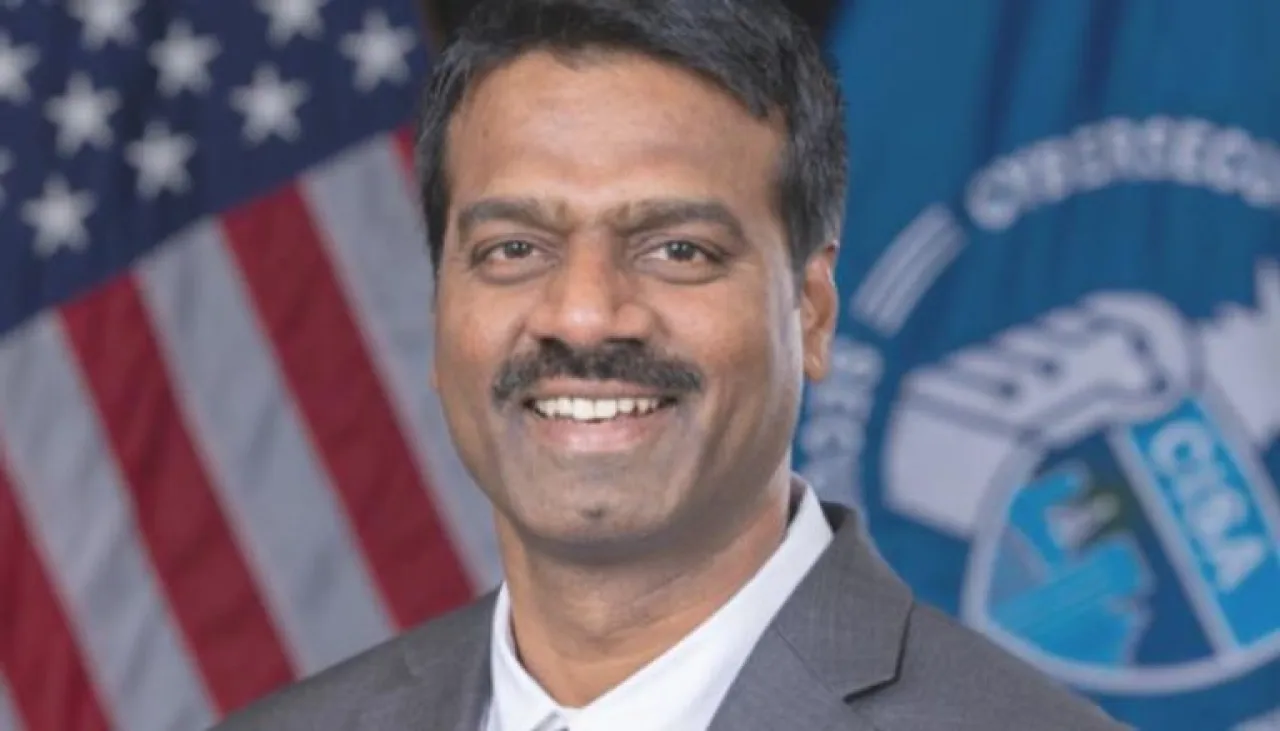
According to "Politico" magazine, the interim director of the U.S. Cybersecurity and Infrastructure Security Agency, Mado Gautomokala, uploaded sensitive documents to a public version of the "Chat GPT" app last summer, which triggered several automatic security alerts designed to prevent theft or unintended disclosure of government materials from federal networks.
This grave error by Gautomokala was particularly striking, as the interim director of the Cybersecurity and Infrastructure Security Agency had requested special permission from the agency's Chief Information Officer to use the application shortly after taking office last May, as reported by three officials who noted that the application was prohibited for other Department of Homeland Security employees at that time.
The officials, who requested anonymity, said that all files entered by Gautomokala into the "Chat GPT" program were not classified as secret; however, they included contractual documents from the Cybersecurity and Infrastructure Security Agency labeled "For Official Use Only," a government classification for sensitive information not intended for public release.
The officials clarified that the agency's cybersecurity sensors detected these uploads in August, after which senior officials at the Department of Homeland Security led an internal review to assess whether any harm to government security had occurred from these leaks.
The results of the review have not yet been clarified.
In a statement via email, Marcy McCarthy, the director of public affairs at the Cybersecurity and Infrastructure Security Agency, said Gautomokala "received permission to use Chat GPT with controls implemented by the Department of Homeland Security," confirming that "this use was short-term and limited."
She added that the agency is committed to harnessing artificial intelligence and other advanced technologies to drive the government’s modernization and fulfill "the executive order issued by President Donald Trump to remove barriers to America's leadership in artificial intelligence."
Gautomokala currently holds the highest political position at the Cybersecurity and Infrastructure Security Agency, tasked with securing federal networks against sophisticated hackers supported by hostile nations, including Russia and China, according to Politico.
The risk lies in Gautomokala's behavior that any materials uploaded to the public version of "Chat GPT" are shared with OpenAI, the owner of the application, which means they can be used to assist in answering inquiries from other users of the app, which has more than 700 million active users.
Other artificial intelligence tools currently approved for use by the Department of Homeland Security employees, such as the "DHS Chat" automated chat program developed by the department itself, are designed to prevent the leakage of inquiries or documents entered into them outside federal networks.
According to an official at the Department of Homeland Security, "Gautomokala forced the agency to grant him access to Chat GPT, then misused it."
All federal officials receive training on proper handling of sensitive documents.
Under the policy of the Department of Homeland Security, security officials are supposed to investigate the "causes and consequences" of any leak of official use documents, and determine the "appropriateness" of any administrative or disciplinary action.
These actions may range from mandatory retraining or formal warning to more stringent measures, such as suspension or revocation of the security clearance.
Gautomokala has been acting head of the agency since last May when he was appointed deputy director by Homeland Security Secretary Kirstjen Nielsen.