Khaberni - Health authorities in the state of West Bengal in eastern India have reported several cases of the "deadly" Nipah virus, a zoonotic virus that can be transmitted from animals to humans and can also spread among humans through close contact.
According to local health authorities and international epidemiological reports, at least 5 confirmed cases of the virus have been recorded in the state, including nurses and doctors at a private hospital near the city of Kolkata.
Preliminary data indicate that the outbreak began within the private healthcare facility where two nurses were infected while caring for a patient believed to be the source of the infection, before additional cases were recorded among medical staff. Authorities began tracking contacts and subjecting hundreds of people to testing or precautionary isolation.
Regional Mobilization and Procedures
The West Bengal state government and the Indian Ministry of Health have raised the alert level and imposed isolation measures on confirmed cases and direct contacts, alongside enhancing preventive measures within hospitals that received the infected, including restricting visits and applying strict infection control protocols to protect medical staff and patients.
In the vicinity of India, some Asian countries—including Thailand—have tightened health screening procedures at airports for travelers coming from West Bengal as a precautionary step reflecting the follow-up on health situation developments.
So far, there are no reports of widespread transmission of the virus outside India, but the intense health monitoring reflects the risks associated with any new outbreak of Nipah virus given the high mortality rate recorded in some previous outbreaks and the absence of any approved specific treatment or vaccine.
The Indian authorities confirm—based on the data available so far—that the outbreak is still geographically confined within a specific area of the state, while epidemiological response teams continue to investigate the source of the infection and its transmission pathway, update contact lists, and test results. Meanwhile, the World Health Organization and international epidemiological monitoring entities are closely following the situation.
What is the "deadly" Nipah virus?
The World Health Organization defines Nipah virus as an animal-originated disease that transmits from animals—such as fruit bats and pigs—to humans, and it can also spread through contaminated food or directly from person to person.
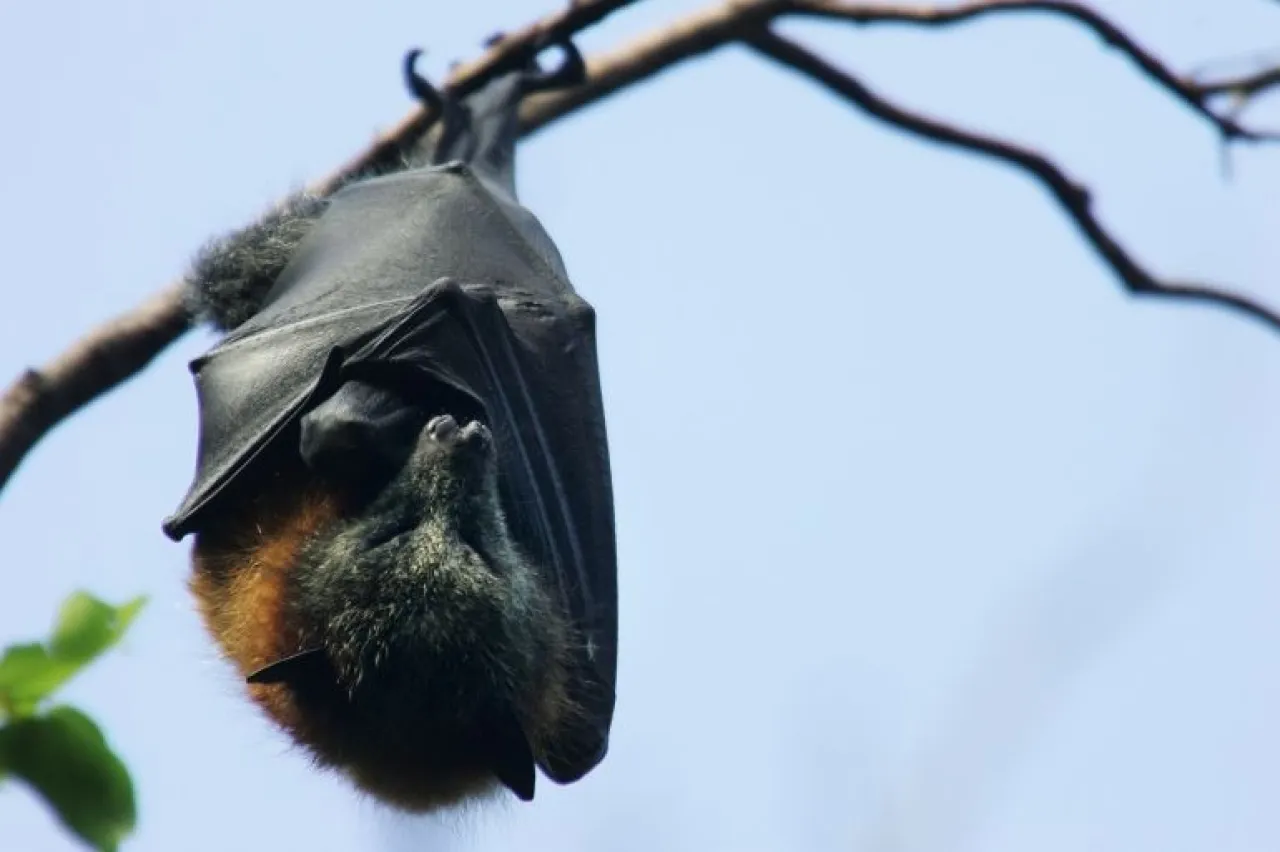
The fruit bat of the "flying fox" (Pteropus) species is the natural host of the virus, usually carrying the virus without showing symptoms.
The virus is listed among the "priority diseases" in the World Health Organization's emergency research program, due to its epidemic potential and the severity of the disease it causes.
The organization explains that infection with the "deadly" virus can range from asymptomatic cases to others that develop into severe respiratory illness or fatal encephalitis, with mortality rates in previous Nipah outbreaks ranging from about 40% to 75%. Some survivors have also reported long-term neurological complications such as epilepsy seizures, personality changes, and rare possibilities of delayed encephalitis.
No Treatment or Vaccine
According to the World Health Organization, there is no antiviral treatment or approved vaccine against the Nipah virus for humans or animals yet.
In the absence of specific treatment, public health measures—including isolating cases, tracing contacts, and enhancing infection control in healthcare facilities—are the fundamental pillars to control any new outbreak.
Nipah virus was first detected in the late 1990s in Malaysia and Singapore, where the initial outbreaks were associated with pig farming and farmers' exposure to infected animals.
Subsequently, repeated outbreaks were recorded in Bangladesh and eastern India linked to direct exposure to fruit bats or consumption of contaminated food products—such as raw date palm sap—or through hospital transmission incidents.