The contemporary American political scene is witnessing complex and multifaceted interactions with religious and cultural minorities. The political transformation of Islam and Muslims in the United States stands out as a phenomenon worthy of in-depth study. American Muslims are no longer just a silent demographic group; they have become political actors striving to influence local and national policies, driven by challenges of identity, the general political climate, and the desire to express their interests. This transformation is not linear or uniform, but is the product of interactions between community integration, geopolitical shifts, and the internal evolution of American Islamic institutions.
The starting point for understanding this transformation is recognizing the vast diversity within the American Muslim community itself. Muslims in America come from varied ethnic, racial, and geographical backgrounds, ranging from immigrants from South Asia, the Middle East, and North Africa, to African Americans who have embraced Islam, and converts from Western backgrounds. This diversity inevitably reflects on political orientations. While some new immigrants may focus on foreign policy issues related to their countries of origin, second and third-generation Muslims are increasingly focusing on domestic civil and social issues such as combating discrimination, social justice, and anti-terrorism laws they perceive as disproportionately targeting them.
Historically, the path of political participation by Muslims can be divided into distinct phases. In the early stages after World War II, participation was limited and centered around building religious and social institutions. The post-September 11, 2001 era marked a pivotal turning point. Following the attacks, American Muslims faced an unprecedented wave of Islamophobia and security scrutiny, compelling Islamic organizations to shift from evangelism to direct political engagement to defend civil rights and demand fair representation. The urgent need to form clear political entities such as the Council on American-Islamic Relations (CAIR) and the Islamic Society of North America (ISNA), which began to function as effective lobbying groups, emerged.
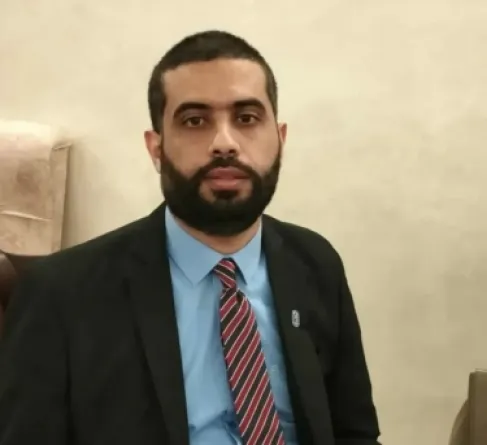
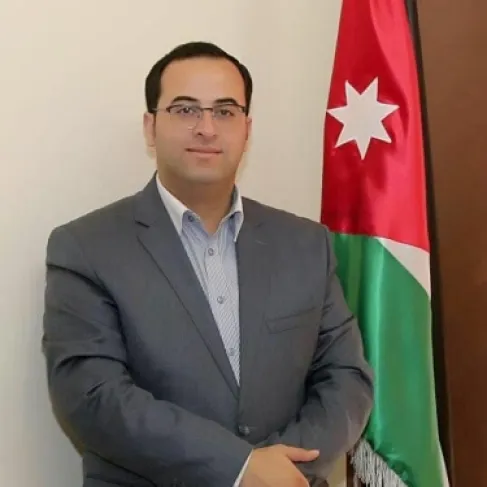
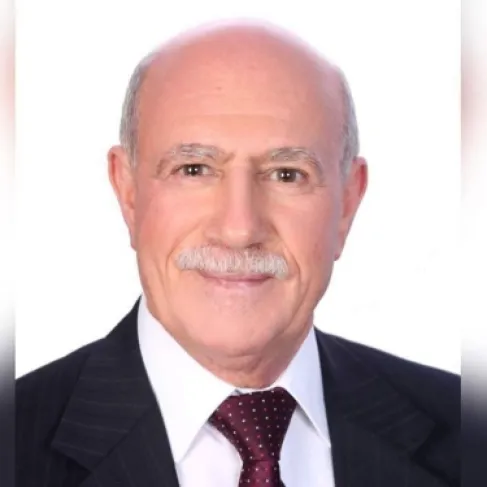
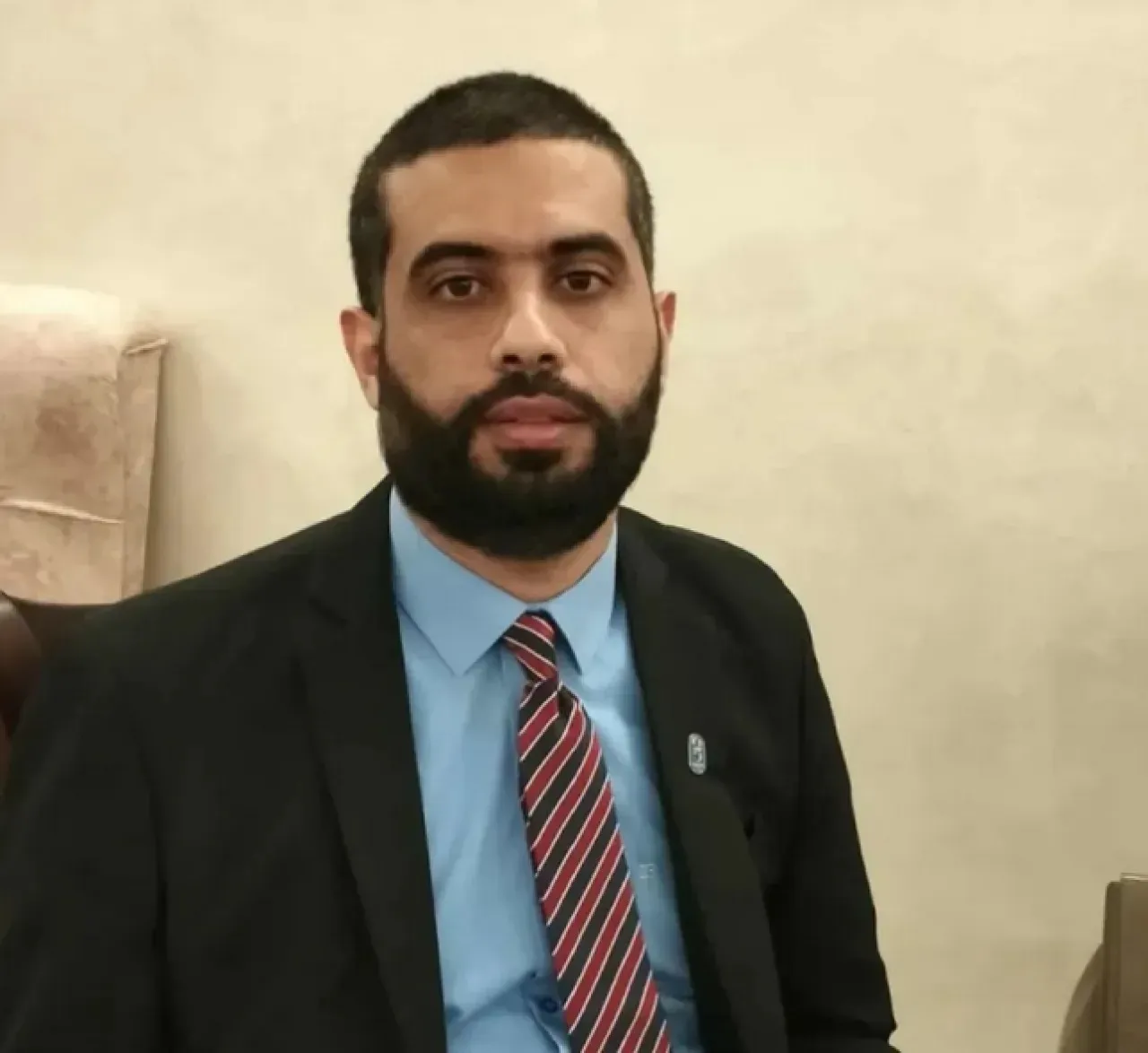
The Islamic political transformation in America is clearly evident in the increased level of electoral participation and the candidacy of individuals for public office. It is no longer rare to see Muslim candidates run for local, state, and federal elections, like Zohran Mamdani, the first Muslim to win the mayorship of New York, Ghazala Hashmi, the first Muslim woman to win the position of deputy governor of Virginia, and Abdullah Hammoud, the first Muslim to win the mayoralty of Dearborn, Michigan, as well as Mo Baidoun, the first Muslim to win the mayoralty of Dearborn, Michigan, and electoral entities such as André Carson (the federal representative from Indiana) or Rashida Tlaib and Ilhan Omar (the first two Muslim women in Congress), represent the pinnacle of this political positioning. These politicians come not only to represent the Muslim voter base but to offer a new perspective on broader American issues, integrating their religious and cultural experiences into the general political discourse. However, their candidacies are accompanied by immense media and political pressure, often subjecting their views on foreign policy or social issues to intense scrutiny unlike their non-Muslim counterparts.
Furthermore, the Islamic political transformation is distinguished by its increasing impact on local policies, particularly concerning issues of criminal justice and immigration. Many Islamic associations adopt progressive views largely aligned with the general American progressive discourse on issues like "Black Lives Matter" and protesting biased policing practices. This alignment has allowed Muslims to build broad alliances with human rights groups and other minorities, enhancing their influence as part of a wide coalition calling for social reform.
However, this transformation faces significant structural challenges. First and foremost, the rate of electoral participation among Muslims is generally lower than the national average, although it is increasing. Secondly, there are internal divisions about the nature of the optimal political engagement; some currents prefer to distance themselves from the two main parties and advocate for a third party or an independent movement, while the larger current prefers tactical engagement with the Democratic Party, which provides greater space for accommodating civil rights and equality issues.
The most significant challenge remains how to deal with anti-Islam rhetoric. The rise of right-wing populism has amplified negative stereotypes, making any Islamic political representation a perpetual target of accusations of dual loyalty or promoting un-American agendas. Successful political maturity requires balancing firm defense of religious identity with full integration into the American national framework.
In conclusion, the Islamic political transformation in America represents a dynamic and complex process of positioning and influence. Muslims have moved from being a marginal group to a recognized political player, capable of impacting public discourse and competing for public offices. This transformation is driven by defensive necessity and the need for representation, but it requires ongoing strategies to adapt to internal and external tensions. Future success will depend on these communities' ability to maintain their internal unity, expand their interfaith alliances, and prove that Islamic political participation is an integral part of the evolving American democratic fabric.