Khaberni - In our current age, dietary supplements have become widespread, and it is common to see people taking vitamins, minerals, and herbs to boost health. However, the most important question remains: Are dietary supplements really necessary for the body, or can they be dispensed with if the diet is balanced? We will review the importance of supplements, situations that require them, and potential risks.
What are dietary supplements?
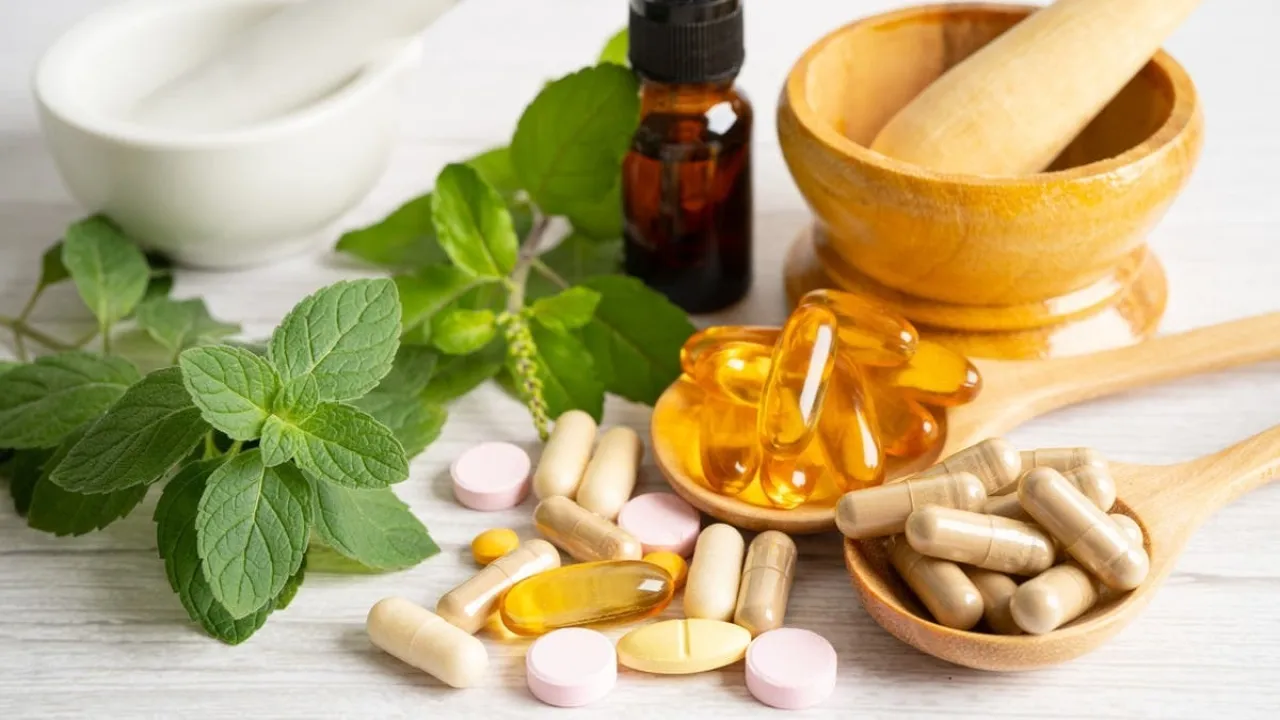
Dietary supplements are products that contain concentrated nutrients such as:
Vitamins (A, C, D, E)
Minerals (iron, zinc, magnesium)
Proteins and amino acids
Herbs and natural extracts
They aim to support the body, compensate for nutritional deficiencies, or enhance general health.
Cases where dietary supplements are needed
Not everyone needs dietary supplements, but there are specific situations that may benefit from them:
Vitamin and mineral deficiencies
Poor nutrition or an unbalanced diet can lead to deficiencies in important elements, such as:
Iron deficiency → anemia
Vitamin D deficiency → weak bones
Calcium deficiency → osteoporosis
In these cases, dietary supplements become necessary for the body to compensate for the deficiency.
Pregnancy and breastfeeding
A pregnant woman needs additional vitamins to ensure healthy fetal development, such as:
Folic acid
Iron
Calcium
Infants may also need certain supplements when the mother's milk or diet is insufficient.
Older adults
As age progresses:
The absorption of some vitamins and minerals decreases
The risk of osteoporosis and muscle loss increases
Thus, supplements are sometimes recommended to support overall health.
Athletes or those with intense physical activity
People who engage in intense sports or daily exercises need:
Additional protein
Amino acids
Mineral elements to replenish energy
Here, dietary supplements help compensate for what the body loses during physical activity.
Can dietary supplements be dispensed with?
If the diet is balanced and contains all the necessary nutrients, dispensing with supplements may be possible. Natural foods provide:
Vitamins and minerals in a complete form
Natural antioxidants
Fiber and beneficial plant compounds
Like vegetables and fruits, whole grains, animal and plant proteins.
Risks of excessive use of dietary supplements
Despite their benefits, supplements can be harmful if overused, such as:
Vitamin A or D in high doses → vitamin poisoning
Iron in large doses → liver problems
Some herbal supplements → interaction with medications
Therefore, it is always necessary to consult a doctor before starting any dietary supplement.
Tips for benefiting from dietary supplements
Rely on diet first
Consult a doctor before taking any supplement
Follow the recommended doses
Read the supplement ingredients carefully
Avoid randomly mixing several supplements
Dietary supplements and disease prevention
Studies have shown that supplements help in some cases, such as:
Supporting the immune system
Improving bone health
Reducing the risk of anemia
But they are not a substitute for healthy food or a balanced lifestyle.