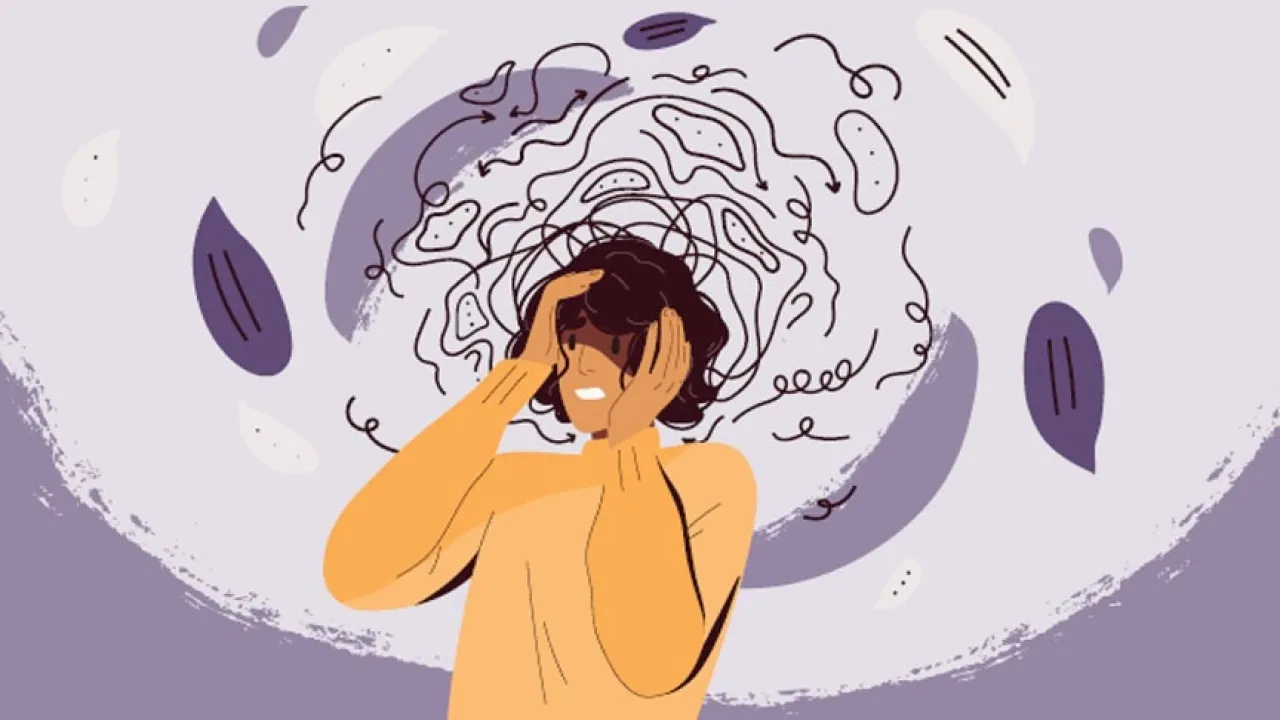
Khaberni - Many people sometimes feel a state of tension or internal fear without a clear reason or direct situation to justify it. This feeling of anxiety without a clear reason can be confusing and disturbing, especially when it recurs or affects daily life. We will uncover the hidden causes of psychological anxiety and explain why sudden anxiety occurs, in addition to the best available methods for treating anxiety and stress.
What is psychological anxiety?
Psychological anxiety is a natural response of the body and mind towards danger or stress, but it becomes a problem when it appears without a direct cause or persists for long periods. In this case, anxiety becomes an internal condition stemming from unseen psychological or biological factors.
Feeling anxious without a clear reason: Why does it happen?
Unjustified anxiety might seem strange, but it is actually the result of a complex interaction between the mind and the nervous system. Prominent causes include:
1. Repressed psychological pressures
Even if you don’t consciously feel stressed:
• Accumulation of responsibilities
• Anxiety about the future
• Work or study pressures
May remain stored in the subconscious and suddenly manifest as sudden anxiety.
2. Overthinking and the analytical mind
Individuals who tend to:
• Constantly think
• Analyze every detail
• Expect the worst
Are more prone to feeling anxious without a clear reason, because the mind never stops searching for potential threats.
3. Past experiences and traumas
Sometimes anxiety is linked to past experiences such as:
• Situations of failure
• Psychological traumas
• Loss of a loved one
Even if externally forgotten, their effects may appear as sudden anxiety without a current reason.
4. Imbalance in brain chemistry
Neurotransmitters like serotonin and dopamine play an important role in mood regulation. Any imbalance in these can lead to:
• Anxiety
• Stress
• Unjustified fear
Which is considered one of the main causes of psychological anxiety.
5. Lack of sleep and unhealthy lifestyle
Lack of sleep, excessive caffeine, or an unbalanced lifestyle may contribute to:
•Increased nervous tension
• Quick response to anxiety
• Difficulty relaxing
Sudden anxiety: When should you be worried?
Not all sudden anxiety is pathological, but attention is needed if it:
• Recurs daily
• Is accompanied by palpitations or shortness of breath
• Affects sleep or work
• Causes severe fear attacks
In this case, it is advisable to seek appropriate anxiety treatment.
Treating anxiety and stress: How do we start?
1. Psychological therapy
Cognitive behavioral therapy is one of the best methods for treating anxiety and stress, as it helps:
• Understand the thoughts causing anxiety
• Change negative thinking patterns
• Deal with fears logically
2. Relaxation techniques
Effective means in treating anxiety include:
• Deep breathing
• Meditation
• Muscle relaxation exercises
These techniques help calm the nervous system and reduce stress.
3. Lifestyle modification
Following a healthy lifestyle greatly contributes to:
• Reducing anxiety
• Improving mood
• Increasing the feeling of security
And it includes:
• Regular sleep
• Reduce caffeine
• Exercise regularly
• Time management
4. Social support
Talking to a trustworthy person or professional helps:
• Express feelings
• Feel contained
• Reduce psychological isolation