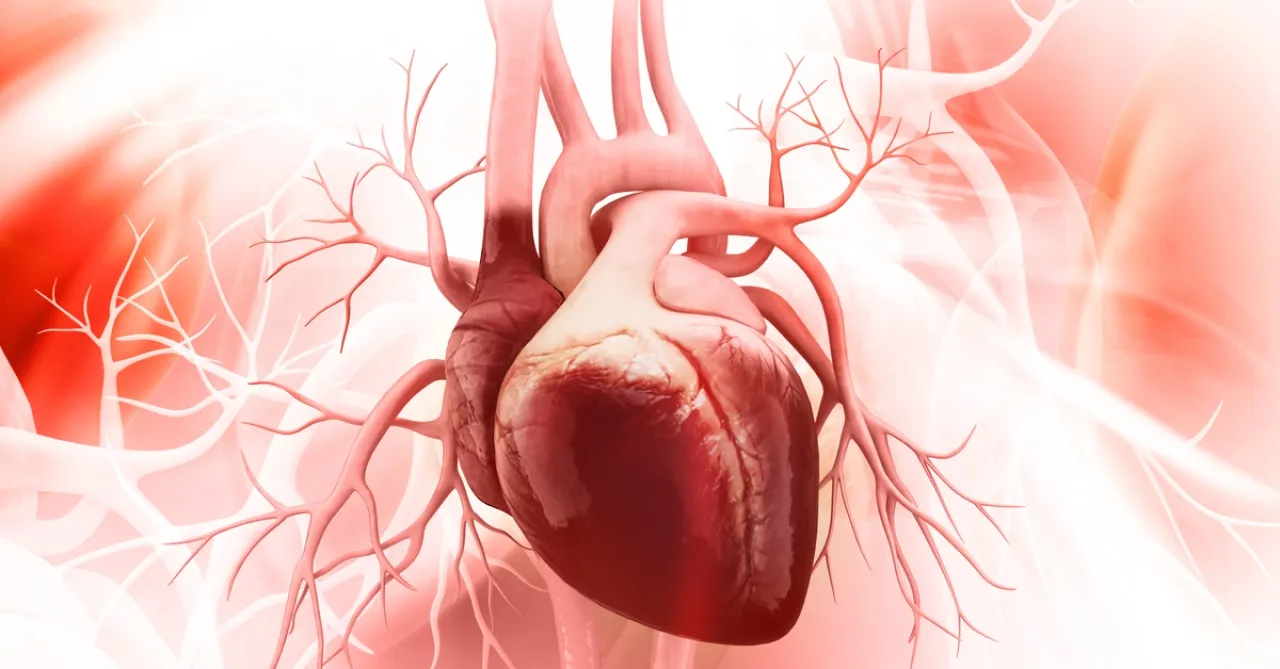
Khaberni - Although many view smoking as a daily habit or personal choice, cardiologists confirm that it is the single biggest threat to heart health ever, surpassing the dangers of poor nutrition and lack of exercise.
In remarks to the medical site OnlyMyHealth, senior interventional cardiologist at Aster CMI Hospital in Bangalore, Dr. Sanjay Bhat, emphasized that smoking is the first thing to completely abstain from for those seeking a strong and healthy heart.
He explained that even light or irregular smoking can strain the heart, damage blood vessels, and increase the risk of fatal heart attacks, often before any warning symptoms appear.
There is no safe level of smoking
Dr. Bhat said, «Many do not see smoking as a direct health hazard, but rather as a personal lifestyle choice. However, its effect on the heart is serious and long-lasting, and there is no safe level of smoking, as each puff of smoke that enters the body exposes the heart and blood vessels to toxic substances».
He explained that inhaling nicotine and carbon monoxide reduces the oxygen level in the blood, forcing the heart to work harder to deliver oxygen to vital organs, and over time, this continuous pressure can weaken the heart muscle and reduce its efficiency.
How does smoking destroy blood vessels?
Studies suggest that one of the most dangerous effects of smoking is the damage to the inner lining of blood vessels, a smooth layer that maintains the elasticity of the arteries. When it is damaged, it becomes easier for cholesterol and fats to stick to the artery walls, leading to narrowing and hardening. This condition is known as arteriosclerosis.
This narrowing of the arteries reduces blood flow to the heart and brain, significantly increasing the risk of heart attacks and strokes.
Smoking also disrupts the balance of cholesterol in the body, raising levels of harmful cholesterol (LDL) and lowering good cholesterol (HDL), accelerating arterial damage.
Blood pressure and clots... doubled risk
The harms of smoking do not stop there; nicotine leads to the contraction of blood vessels, raising blood pressure and forcing the heart to work harder than usual. In the long term, this can cause the heart muscle to enlarge and weaken, leading to heart failure.
Smoking also increases the blood's tendency to clot, making platelets more viscous, which facilitates the formation of clots that can suddenly block arteries feeding the heart or brain, causing a heart attack or stroke without warning.
For the heart to begin recovering immediately after quitting
Despite these risks, doctors confirm that quitting smoking brings good news for the heart. According to Dr. Bhat, oxygen levels begin to improve within a few days, and blood pressure gradually decreases.
Over the weeks and months, blood circulation improves and lung efficiency increases, while the risk of heart disease, heart attack, and stroke significantly decreases over time.
He concluded saying, «Quitting smoking is not just a means of disease prevention, but a real investment that gives your heart the best chance to remain strong, active, and healthy in the long term».
He said, «If you are aiming for a healthy and strong heart, total abstention from smoking is the most important decision, as smoking destroys blood vessels, raises blood pressure, increases the risk of clots, and gradually weakens the heart. Quitting, on the other hand, gives the heart a real chance to recover».