Khaberni - Nutrition experts have revealed a simple step that may help reduce some of the health hazards associated with refined carbohydrates, which have long been linked to weight gain, and the risk of diabetes and heart disease.
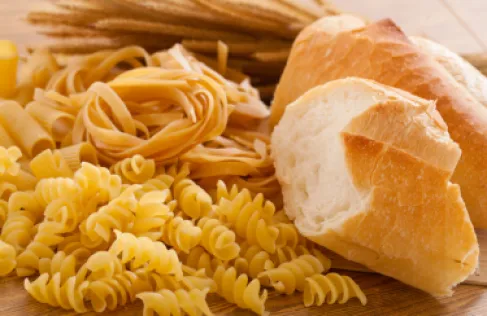
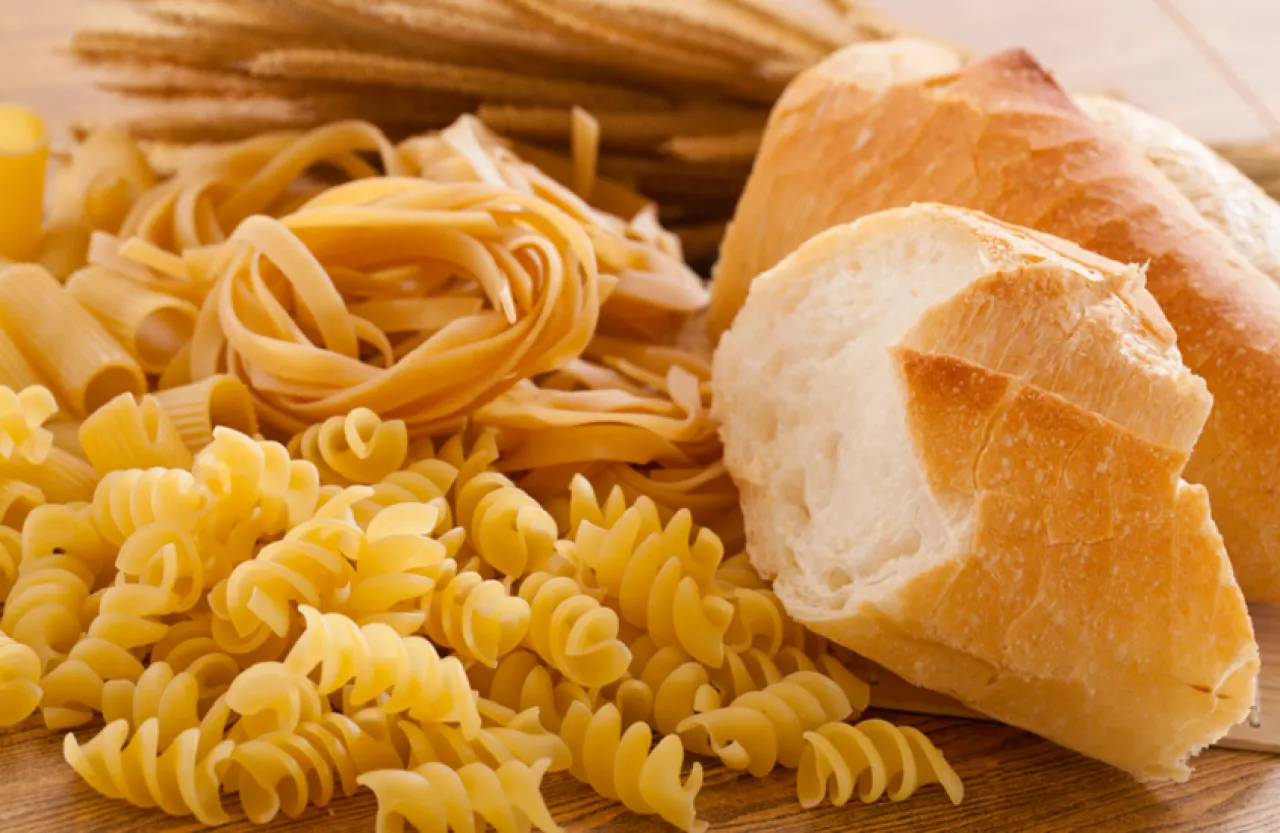
White bread, along with rice and pasta, are prominent sources of refined carbohydrates that lose fiber and essential nutrients during processing. Consuming these types of carbohydrates leads to a rapid increase in blood sugar levels, which strains the pancreas and stimulates it to secrete large amounts of insulin, potentially increasing the risk of diabetes over time.
The lack of fiber in white bread makes it digest quickly, reducing the feeling of fullness and leading to increased appetite and the desire to eat more frequently.
However, freezing bread alters the structure of starch, the main carbohydrate in it, through a process known as "retrogradation," where the starch molecules become harder and more difficult to digest. This results in the creation of what is called "resistant starch," which does not easily convert to glucose, and thus does not cause a sharp rise in blood sugar levels, while also enhancing the feeling of fullness similarly to fiber.
This benefit is not limited to bread alone. Recent studies indicate that rice, pasta, and potatoes also gain resistant starch when cooked and then cooled.
Canadian registered dietitian and medical writer Avery Zinker explains that resistant starch slows down the absorption of other carbohydrates in the blood, reducing the severity of glucose and insulin spikes, and helps stabilize energy levels throughout the day, and reduces sudden hunger pangs.
Zinker notes that starch consists of two types of glucose polymers, amylose, and amylopectin, and that the heat from the baking process breaks the bonds between these molecules, making them easy to digest, while cooling or freezing rearranges them into crystal structures that are difficult for the body to digest, which explains the formation of resistant starch.
Fresh white bread contains a low percentage of resistant starch, ranging from 0.5 to 1.7% of its weight, but this percentage may rise to between 1 and 3% after freezing or cooling and then thawing.
An increased amount of resistant starch is associated with several health benefits, including assisting in weight loss and improving the body's sensitivity to insulin. A previous study showed that people who consumed resistant starch for about eight weeks lost more weight compared to a control group.
Other studies have found that toasting bread after freezing and thawing it reduces the body's glucose response compared to unfrozen bread, which is likely due to the increased formation of resistant starch.
Experts recommend freezing bread for at least 12 to 24 hours to benefit from this process, with the possibility of keeping it in the freezer for a period ranging from three to six months.
Zinker points out that resistant starch may also affect appetite regulation by stimulating the production of the hormone "GLP-1" in the intestines, a natural hormone that helps reduce hunger and slow digestion, and is mimicked by some modern weight loss medications.
Despite these benefits, specialists emphasize that the effect of resistant starch remains limited, underscoring the importance of moderation in consuming refined carbohydrates and preferring whole grains whenever possible, as part of a balanced diet.