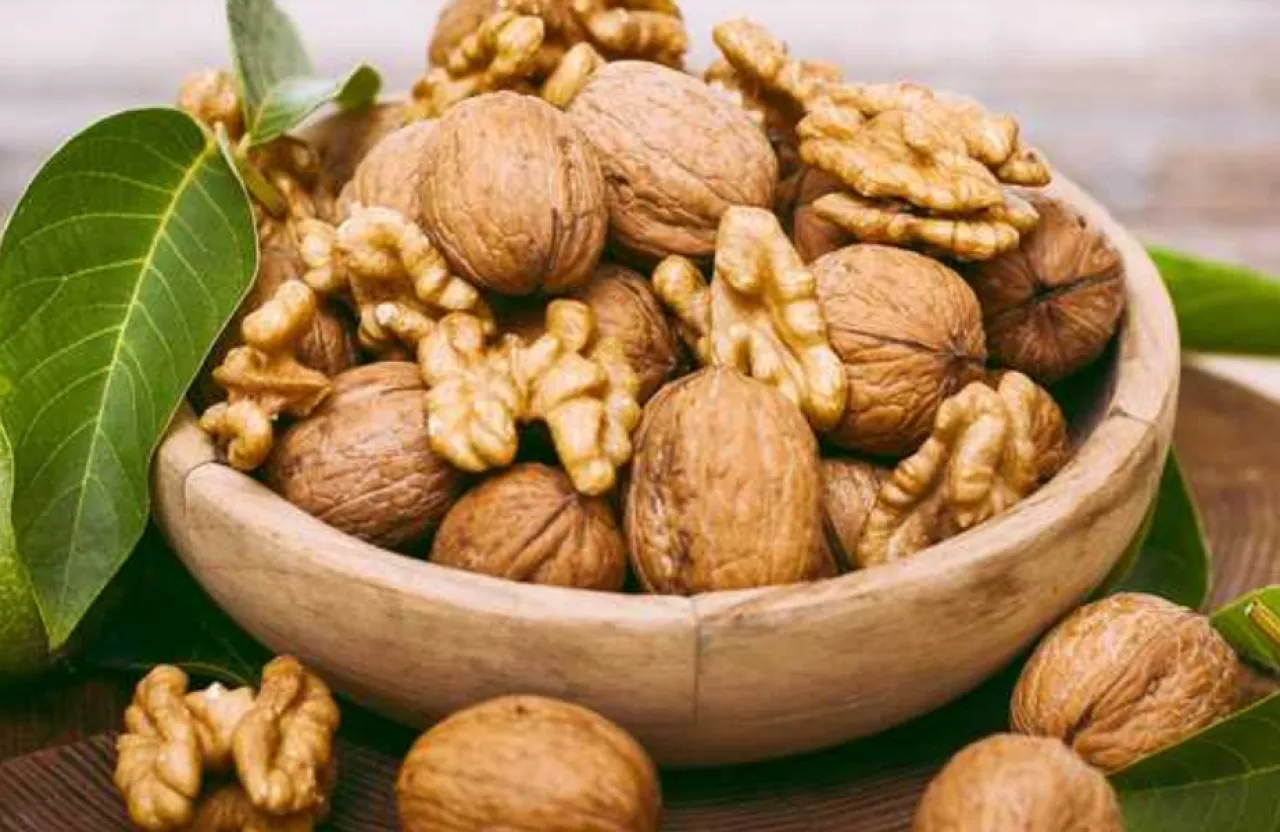
Khaberni - A handful of walnuts, weighing about 30 grams, provides about 5 grams of protein, which helps meet the recommended daily intake, estimated at about one gram of protein per kilogram of body weight. Walnuts are distinguished for being rich in fat, approximately 65%, most of which is unsaturated fats that have a positive effect on blood cholesterol levels, in addition to containing good amounts of omega-6 acids and some omega-3.
The nutritional value of walnuts does not stop there, as they also provide the body with dietary fiber, and antioxidants – especially vitamin E and B9 – along with essential minerals such as manganese, magnesium, and copper. But beyond their appetizing appearance and rich taste, a fundamental question arises: What distinguishes walnuts nutritionally from other nuts, and what is their real impact on health?
◄ Not all nuts are equal
Nuts vary in their nutritional value, as explained by the nutritionist Pascal Nortier, in a conversation for NotreTemps magazine, pointing out that almonds top the list of favorite nuts among nutrition experts due to their richness in proteins, fibers, and healthy fats. Walnuts rank second, due to their omega-3 fatty acids and antioxidants, while hazelnuts take the third position due to their balanced nutritional composition.
In contrast, some types are consumed more for their taste than health benefits, such as cashews and Brazil nuts, which contain high levels of saturated fats that contribute to raising harmful cholesterol.
◄ When is it preferable to eat walnuts?
Walnuts can be consumed at any time of the day, providing a good source of plant protein in the morning, while their fats give a feeling of fullness in the afternoon. However, what is most important, according to experts, is the consistency of consumption, not the timing of consumption.
◄ Is walnut oil a suitable alternative?
Walnut oil is an interesting option because it contains omega-3 and omega-6 acids, although other oils, such as olive oil, rapeseed oil, and flaxseed oil, are more common. However, the oil provides only fats, meaning a loss of proteins, fibers, and most vitamins and minerals, so eating whole walnuts remains the best health choice.
◄ A healthy choice despite the calories
Although walnuts are high in calories – containing about 700 calories per 100 grams – many studies have shown that Mediterranean diets rich in nuts significantly reduce the risk of heart disease. Walnuts also support the balance of beneficial bacteria in the intestines, and other research suggests potential benefits to cognitive abilities, including improved memory and response speed.
◄ The recommended amount
The French National Program for Nutrition and Health PNNS recommends consuming one handful of nuts daily, not exceeding ten walnuts.
Walnuts are an ideal addition to salads, baked goods, and sauces, with an emphasis that walnuts with their shells retain their nutritional value better than commercially available shelled walnuts.
◄ Do walnuts cause mouth ulcers?
Yes, but the reason is not the walnut kernel itself, but its fibrous shell, which may cause minor irritation in the sensitive mucous membranes inside the mouth, potentially leading to the appearance of painful sores in some people.