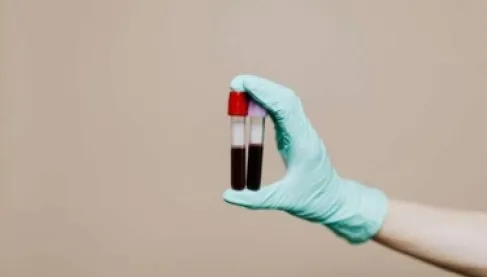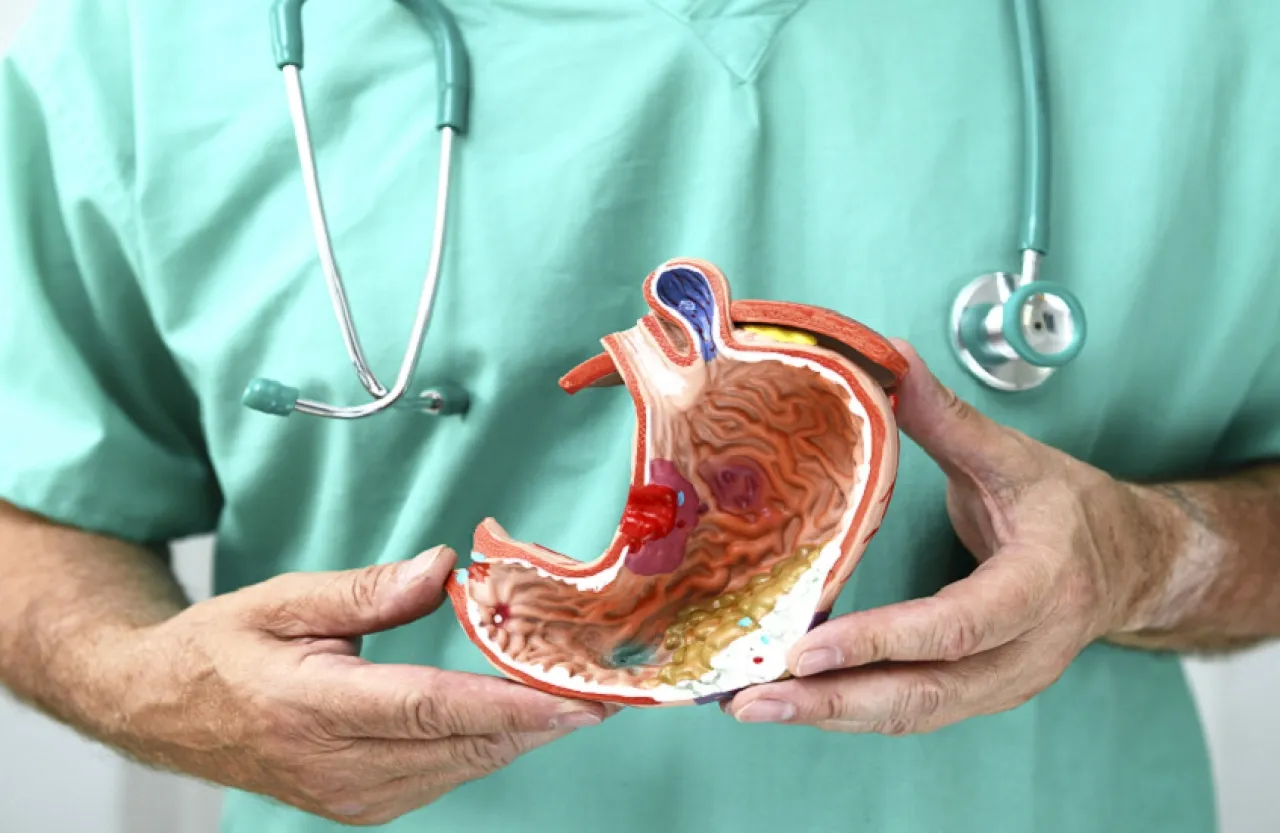
Khaberni - The Health Care Family Institute newsletter (from the King Hussein Foundation institutes) discusses Hematemesis today, Wednesday, which is considered a serious symptom that requires immediate medical evaluation. It indicates the presence of bleeding in the upper part of the gastrointestinal tract, including the esophagus, stomach, and duodenum.
The Institute's newsletter details the dangers of untreated hematemesis, common causes, symptoms that help assess severity, along with diagnostic methods, treatment options, preventive measures, and situations that require medical assistance.
Blood in the vomit may appear either as bright red, which often indicates active bleeding, or as a dark color resembling "coffee grounds" due to exposure to stomach acid over time.
** The Importance of Hematemesis
The danger of hematemesis lies in the fact that it could be a sign of serious medical conditions such as bleeding gastric ulcers, esophageal varices rupture, or tumors of the gastrointestinal tract. Severe bleeding can lead to acute anemia or hemorrhagic shock, which can be life-threatening if not promptly treated.
** Common Causes of Hematemesis
The causes of hematemesis vary, but important ones include:
1 - Stomach and duodenal ulcers
These are among the most common causes, often resulting from:
- Infection with Helicobacter pylori.
- Chronic use of nonsteroidal anti-inflammatory drugs such as ibuprofen.
- Smoking and alcohol.
2 - Esophageal varices
They occur due to high blood pressure in the portal vein, often associated with chronic liver diseases like cirrhosis. Bleeding from esophageal varices is among the most dangerous causes of hematemesis.
3 - Acute gastritis
Inflammation of the stomach lining, especially caused by alcohol, medication, or severe stress, may lead to bleeding.
4 - Mallory-Weiss Tear
A tear in the lower esophageal mucosa due to severe or repeated vomiting, which leads to sudden bleeding.
5 - Upper gastrointestinal tract tumors
Such as stomach or esophageal cancer, where hematemesis might appear as a late symptom in some cases.
6 - Blood clotting disorders
Such as liver diseases or the use of blood thinning medications
** Accompanying Symptoms
Hematemesis may be accompanied by other symptoms that help assess the severity, such as:
- Pain in the upper abdomen.
- Dizziness or fainting.
- Rapid heart rate.
- Pale skin.
- Shortness of breath.
- Black, tarry stools (Melena).
- Low blood pressure in severe cases.
** Diagnosis
The diagnosis of hematemesis is based on clinical evaluation and medical tests, including:
1 - Medical history and physical examination
Such as:
- The amount and color of blood.
- Presence of liver diseases or previous ulcers.
- Medications used.
- Alcohol consumption.
2 - Laboratory tests.
- Complete blood count (CBC) to assess hemoglobin levels.
- Liver function tests.<|vq_18094|>