Khaberni - Although losing any excess weight helps reduce the risk of heart disease, diabetes, cancer, and other serious diseases, it has an important downside, which is the loss of muscle.
In a report by "Harvard Health", Dr. Caroline M. Apovian, Co-Director of Weight Management and Health at Brigham and Women's Hospital affiliated with the university, says: "No matter how much weight you lose, about 25% of it will be muscle."
If you lose a lot of weight quickly, as happens with slimming injections like Ozempic, which belongs to the glucagon-like peptide-1 (GLP-1) receptor class, or by following a low-carb or severely low-calorie diet, you might lose more muscle and at a faster rate.
Weight loss versus fat loss
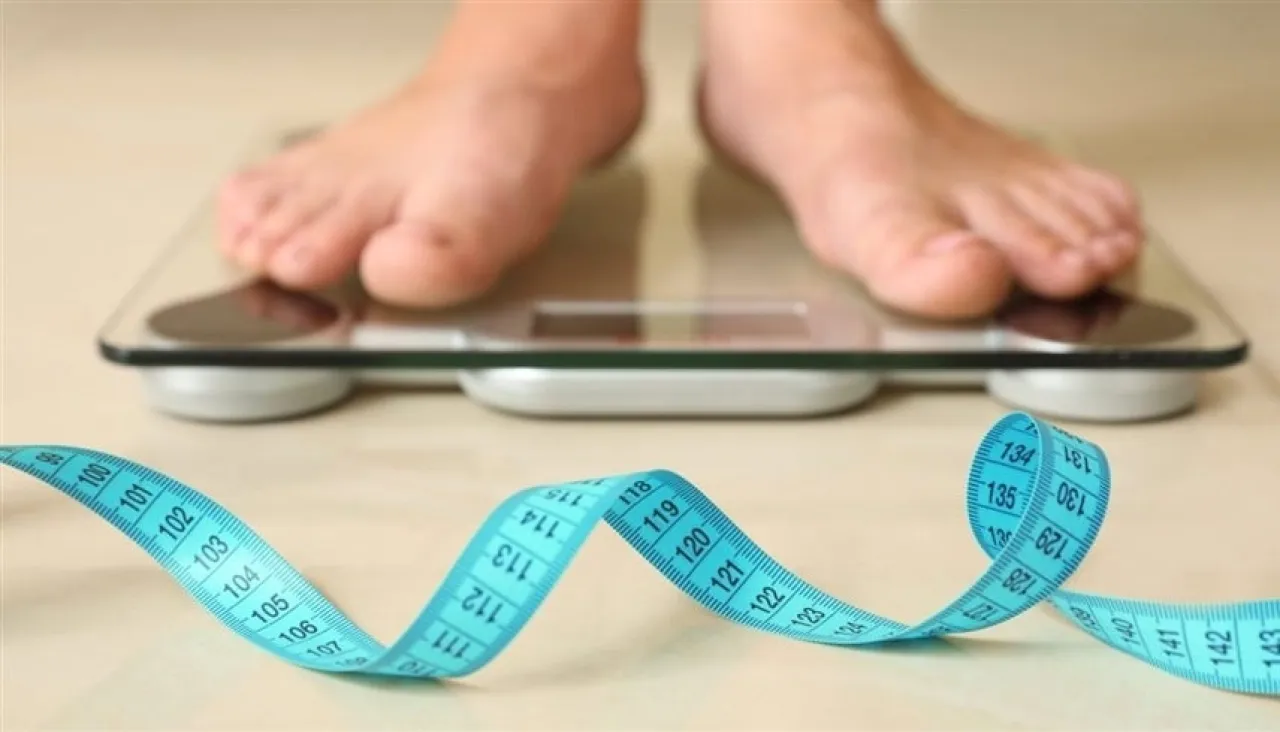
Weight loss refers to a decrease in total body mass (mostly from fat, muscles, and water).
When most people say they want to "lose weight", they actually mean they want to "lose fat". To achieve this, you need to maintain a caloric deficit, i.e., consume fewer calories than your body uses, or exercise to burn more calories than you consume, or both.
To compensate for the lack of calories available when energy is needed, the body first turns to stored glycogen, a carbohydrate-based energy reserve.
Once glycogen is depleted, the body burns fat for energy, but it also converts muscle protein to glucose, especially as a quick backup energy source.
This means losing muscle mass.
How to minimize muscle loss
To prevent excessive muscle loss while losing weight, you should follow a three-pronged approach: practice resistance exercises to build muscle, consume adequate amounts of protein, and slow down the rate of weight loss.
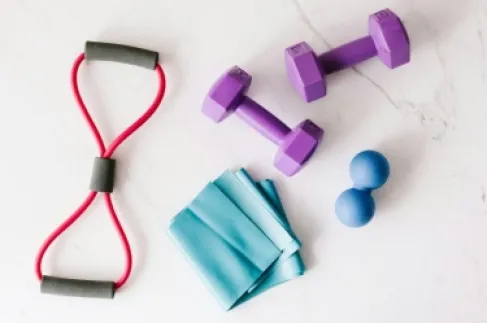
Resistance exercises: Resistance exercises refer to exercises performed against resistance, whether it be weights, resistance bands, or body weight.
Regular training helps build muscle, as gradually increasing the intensity and difficulty of exercises stimulates muscle growth and increases your strength. Also, building more muscle through resistance exercises helps with weight loss.
Not only do you burn calories while using your muscles, but muscles continue to consume calories during rest and recovery.
The guidelines recommend most people perform at least two sessions of resistance training weekly, in addition to 150 minutes of moderate-intensity aerobic (cardio) exercises.