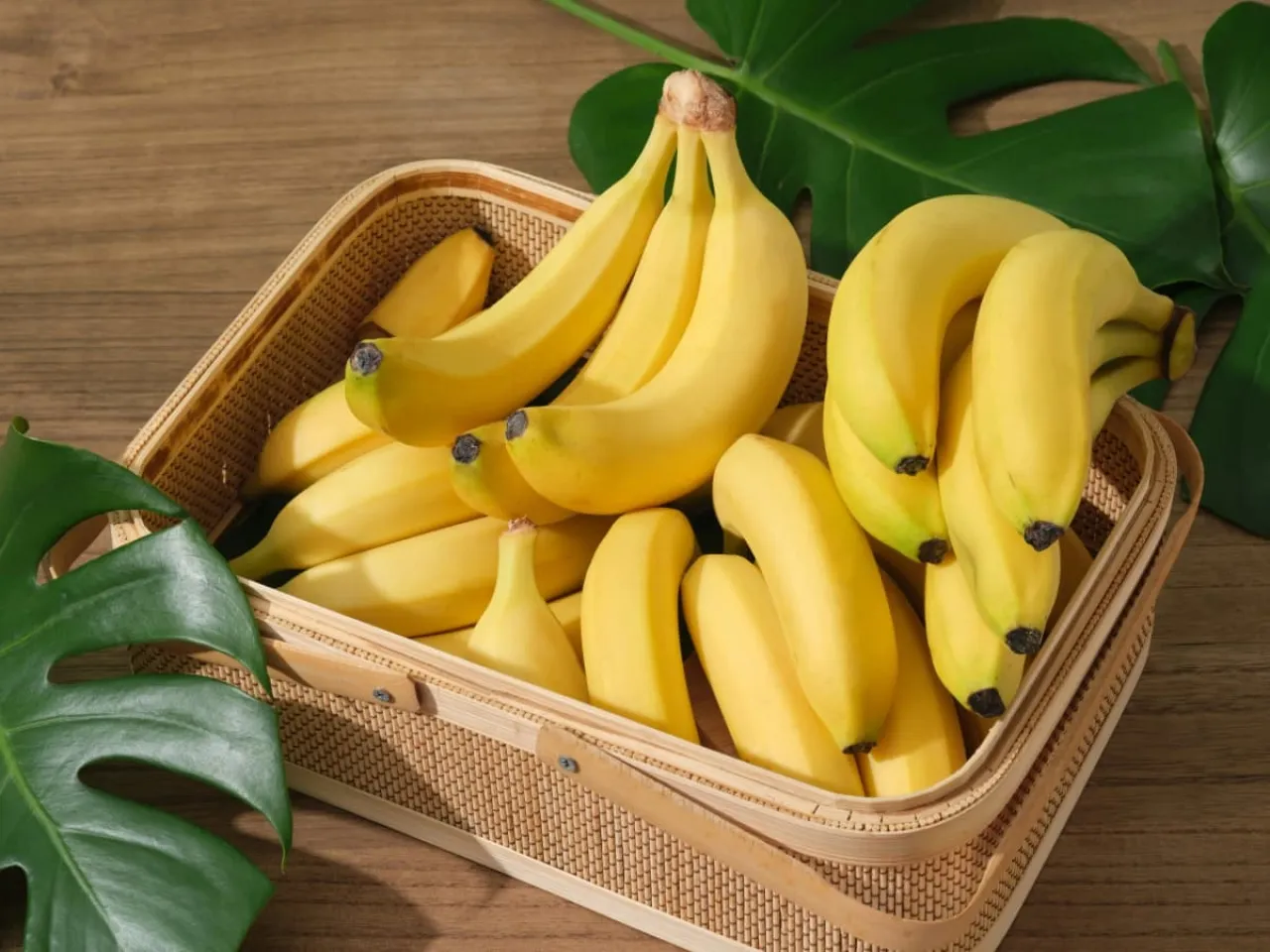
Khaberni - Bananas are among the easiest natural carbohydrate sources to digest, featuring a mix of glucose, fructose, sucrose, and fiber, along with potassium and magnesium that are vital for muscle health and fluid balance. However, the timing of consumption can affect energy levels, athletic performance, and recovery after exercise.
Before Exercise
Eating a banana before physical activity provides quick and stable energy, enhances glycogen stores in muscles and liver, supporting performance and endurance. It also reduces gastrointestinal disturbances and lowers early fatigue due to the fibers that slow down the gradual absorption of sugar, and potassium helps reduce muscle cramps.
During or After Exercise
Bananas help replenish glucose and support the recovery of glycogen stores after intense exercises. They also provide the body with potassium, vitamin B6, and antioxidants that reduce oxidative stress, aid in muscle relaxation, and hydrate the body, making it a natural alternative to commercial carbohydrate drinks.
Bananas can be a healthy choice for snacks, as they provide a feeling of fullness without increasing calories, and help in the gradual absorption of carbohydrates. Eating them with oats, yogurt, or nut butter enhances satiety and supports nutritional balance, offering natural sweetness as an alternative to refined sweets.
Bananas aid relaxation thanks to potassium, magnesium, and vitamin B6 that supports serotonin production. The moderate carbohydrates in them do not cause a sudden spike in blood sugar, making them a suitable option after training or during long shifts.
In summary, bananas are a versatile fruit that can be consumed before exercise, during it, after, or between meals to support energy, performance, and recovery in a natural and healthy way.